 ◷ 8.5 hr
Windermere, United Kingdom
High Adventure Private Tour in the Western Lake District: Wrynose, Hardknott & Wastwater
✓ Mobile ticket
from $1,042.40USD
Loading the next place…
Gathering stories, stays, and experiences for you.
VAYCAI · ATTRACTION GUIDE
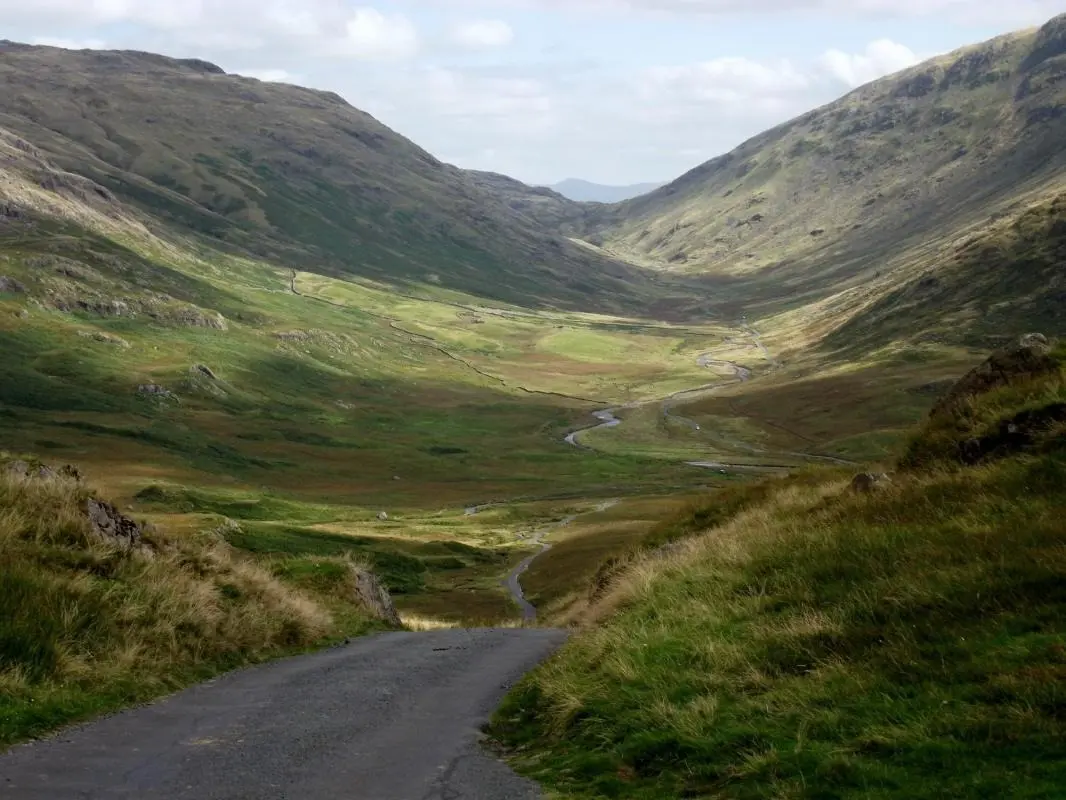
Wrynose Pass is a raw, narrow mountain road and surrounding moorland that rewards simple plans with big scenery. Stack a scenic drive with short fell walks, viewpoint-led picnics, and a loop through Little Langdale for waterfalls and old stone farms. It’s an efficient slice of classic Lake District adventure suitable for a half-day outing or a longer exploration when paired with nearby valleys.
Explore experiences ↓Your guide to places, experiences, and adventures.
THE GOOD STUFF STARTS HERE
◷ 8.5 hrWindermere, United Kingdom
Windermere, United Kingdom
Listed starting prices may vary by option, travel date and group size. Confirm the final total and availability on Viator. Sponsored links: we may earn a commission from qualifying bookings.
STORIES WORTH GOING FOR
GET TO KNOW THE PLACE
The pass feels like a threshold—one moment a narrow, stony lane; the next, a wind-swept panorama that holds the Lake District’s older bones. Wrynose’s appeal is immediate and tactile: the road demands attention, the ridges open up, and small paths invite exploration. It’s a place to stack short adventures—drive, hike, photograph—without committing to multi-day logistics.
Drive in and the landscape announces itself in steps: stone walls climb and fall, peat-streaked slopes hold their own against the sky, and distant tarns glint like pockets of memory. Geologically the area sits on folded, ancient rocks uplifted and scoured by glaciers; you can read that story in exposed rock faces and the broad U-shaped valleys. Historically the lanes are older than modern transport—packhorse routes and drovers’ tracks threaded these slopes for centuries—and shepherding culture remains visible in stone barns and boundary markers. The place has a lived-in austerity; wind and weather still shape how people move here.
Practical access is straightforward but honest: the road is narrow and steep, so plan for slow driving and tight passing places; larger vehicles will struggle. For most visitors, a morning or late-afternoon window gives the best light and cooler conditions. Stack activities by pairing a scenic drive with short, marked fell walks and a picnic at a viewpoint, or extend into valley explorations for waterfalls and tarns. Parking is limited in the hamlets and at informal pull-ins; start early on weekends, and expect mud and uneven ground on footpaths after rain. Navigation is simple but check conditions—boggy sections and winter snow can change the equation quickly.
Local insight matters. Weather rolls in from the Irish Sea and can flip the mood within an hour; layers and waterproofs aren’t optional. Respect farming land—gates, sheep, and livestock are part of the route—and follow path etiquette to avoid widening trails on fragile peat. If you want company or gear, nearby villages offer guiding services, bicycle hires, and friendly pubs that reward a day of exertion. Those who time their visit for weekday mornings frequently find the road and nearby tracks nearly to themselves, with space to listen to the wind and the occasional call of curlew.
PLAN YOUR VISIT
May, June, July, August, September
Spring and early autumn bring clearer skies and quieter paths; summer offers the warmest days but also intermittent rain and larger crowds. Winters are quiet but can have snow and exposed, icy sections on higher ground.
The busiest period is late June through August when summer visitors and school holidays bring more traffic; plan to start early, book nearby lodging in advance, and allow extra time for narrow-road traffic.
Visiting outside peak months yields solitude, lower prices, and dramatic light, but expect muddy trails, shorter daylight, and the need for more robust wet-weather gear and route choices that avoid boggy ground.
PACK WITH PURPOSE
FIND YOUR PACE
Ambitious route-finding, high-wind conditions, and winter ascents requiring technical gear and experience.
Short, low-elevation walks and scenic stops suited to casual hikers and sightseers.
Longer fell walks and mixed-terrain routes that require good footwear and basic navigation.
BEFORE YOU GO
No—short visits and scenic drives are straightforward on your own, but guided walks add local navigation, history, and safety for foggy or complex conditions.
The pass is narrow with tight bends and passing places; large vehicles may struggle and should check route clearance and local guidance before attempting the drive.
A focused visit can be a half-day; stacking nearby valleys, walks, or a pub stop makes it an easy full-day outing.
Rapid weather changes, slippery peat and wet rock, and livestock on paths are primary concerns—carry proper clothing, navigation, and give animals space.
Yes—there are valley lanes and rough tracks suitable for mountain biking, but pick routes that match your skill and avoid peat-sensitive zones to protect the terrain.
Facilities on the pass itself are limited; plan stops in Little Langdale or Windermere for toilets, food, and supplies.