

VAYCAI · ATTRACTION GUIDE
Tulum Archeological Site Visitor Guide
Tulum stacks seaside archaeology, coral-shelf snorkeling, and jungle-fringed cenotes into a compact adventure loop. Spend a morning on the clifftop ruins, an afternoon floating in a shaded cenote, and an evening sampling coastal eats—this site pairs short hikes and shoreline views with water-based outings for a balanced day of history and hands-on nature.
Explore experiences ↓Your guide to places, experiences, and adventures.
THE GOOD STUFF STARTS HERE
Experiences around Tulum Archeological Site
Listed starting prices may vary by option, travel date and group size. Confirm the final total and availability on Viator. Sponsored links: we may earn a commission from qualifying bookings.
STORIES WORTH GOING FOR
Stories from Tulum
GET TO KNOW THE PLACE
Why Visit the Tulum Archaeological Site
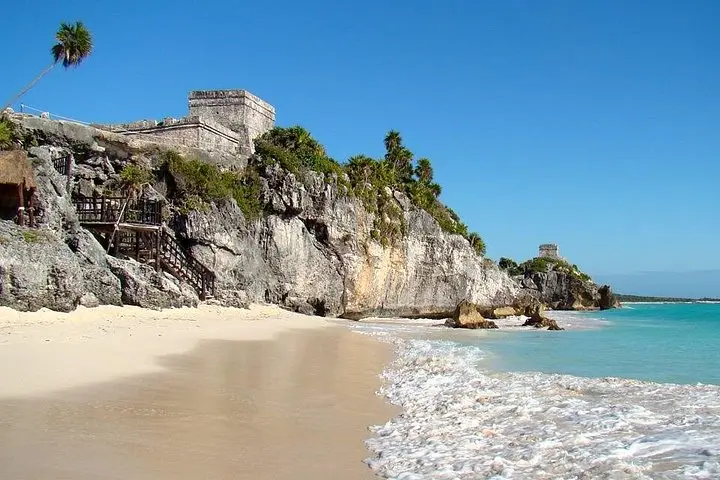
Set on a limestone bluff overlooking turquoise water, the Tulum Archaeological Site delivers big coastal panoramas in a compact footprint. The ruins are accessible, the beach below tempts a swim after a short walk, and nearby cenotes and reefs make it simple to layer water and wildlife activities into a single day or a relaxed multi-day stay.
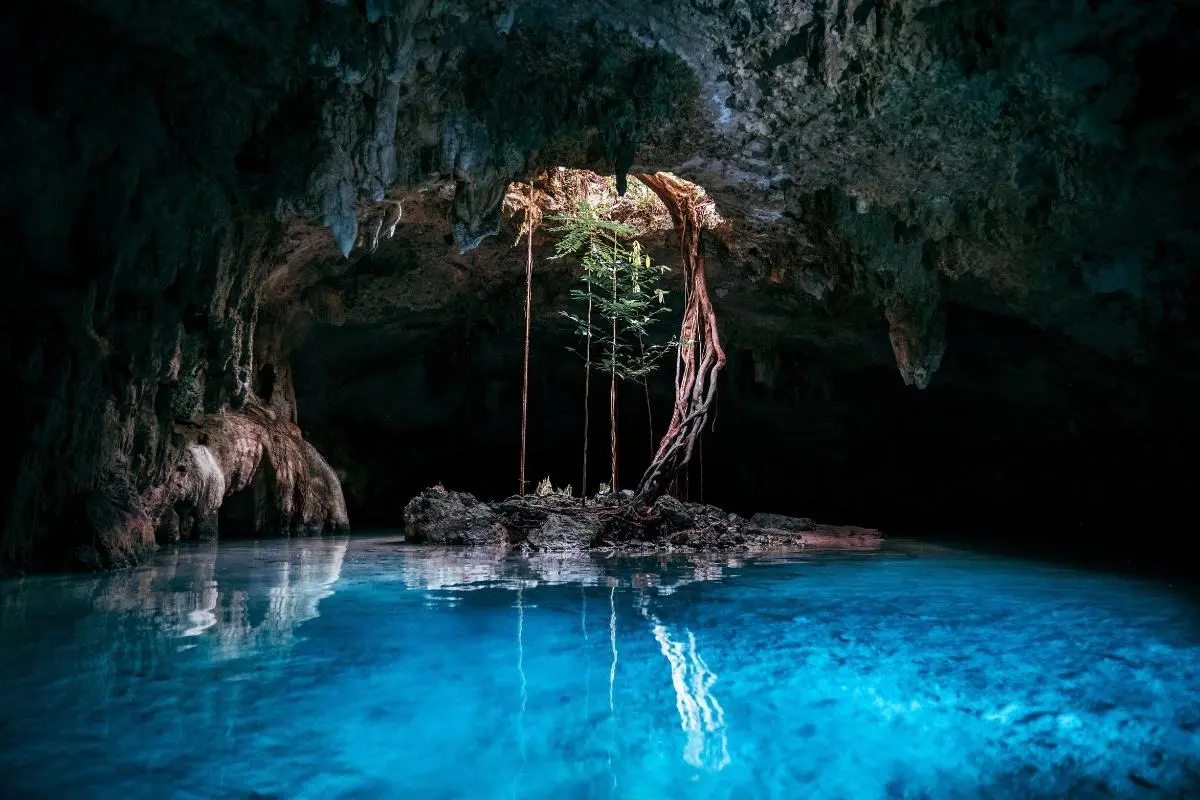
Arrive early and you feel the site settle into the day: gulls wheel as sun nudges the limestone, and the breeze seems to hold the heat back. The walls you walk among are the remains of a Late Postclassic Maya port city built where reef and trade routes met. Geologically, the coastline is a shelf of Tertiary limestone riddled with caverns; when those caverns collapse they create the cenotes that are both sacred sites and excellent snorkeling holes. Culturally, Tulum is layered—contemporary Quintana Roo life sits beside tourism infrastructure and archaeological stewardship. Practically, most visitors pair a morning at the ruins with an afternoon cenote visit or reef snorkel to make the most of daylight and cooler hours.
The site itself is compact enough for a focused, 1.5 to 2-hour exploration; add time for photography, guided interpretation, and a beach stop beneath the cliffs. Access is straightforward from Tulum town by bike, taxi, or a short drive from Playa del Carmen or Tulum hotels. Expect paths and stairs carved from rock and some sun exposure—shade is intermittent so plan timing and sun protection accordingly. If you want quieter visits, schedule sunrise or the earliest entry to avoid mid-morning crowds and midday heat. For hands-on adventures, local operators run cenote swims, guided snorkel trips to the Mesoamerican Barrier Reef, and Sian Ka'an excursions; book those activities in advance during high season.
Tulum’s appeal is its accessibility: you can experience archaeology, coastal swimming, and cenote exploration without long approaches or technical gear. The trade-off is popularity, so build flexibility into your itinerary—shift beach time to earlier or later in the day, and consider weekday visits. For photographers and naturalists, the light along the cliffs and the birdlife drawn to the shoreline reward slow pacing. Above all, keep cultural respect in mind: the ruins are protected, so stick to marked paths and follow on-site guidance to preserve both the structures and the natural setting for other travelers.
Get to know the place
Attractions worth a closer look.


PLAN YOUR VISIT
When to go.
Best months
November, December, January, February, March, April
Weather
Dry season from late fall through spring brings lower humidity and clearer water for snorkeling; summers are warmer with afternoon storms that can briefly affect visibility and road conditions. Evenings can be breezy along the coast.
Peak season
Peak visitation runs from late November through March when North American winter traffic is highest; book entry tickets, guided tours, and lodging in advance and aim for early arrivals.
Beyond the peak
During the rainy season you can find lower prices and fewer crowds, and some cenotes are dramatically fuller; be mindful of muddy access on secondary roads and verify tour availability.
PACK WITH PURPOSE
What to bring.
optional
- Binoculars for birding
- Action camera or waterproof camera
- Compact picnic kit for beach snacks
essential
- Reusable water bottle and refill plan
- Sun protection (hat, high-SPF sunscreen, sunglasses)
- Traction footwear or sturdy sandals
- Light layers for morning breezes
- Offline map or downloaded directions
- Identification and local currency for entry and vendors
recommended
- Rain shell during summer months
- Small daypack with swimwear and towel
- Waterproof dry bag for electronics
- Light first-aid kit and blister care
FIND YOUR PACE
Choose your kind of adventure.
advanced
Multi-activity days and remote shoreline exploration for travelers comfortable with longer outings and variable conditions.
- SCUBA diving on the Mesoamerican Barrier Reef (certification required)
- Multi-hour sea-kayak expedition into Sian Ka'an with wildlife viewing
- Backcountry shoreline trekking combined with early-morning bird surveys
beginner
A low-impact cultural and coastal day that requires minimal fitness and no technical gear.
- Guided ruins walk with beachfront viewpoints
- Shallow snorkeling at a protected spot or cenote float
- Easy bike ride between Tulum Pueblo and the archaeological zone
intermediate
Combine multiple half-day adventures—snorkeling, short paddles, and longer site exploration—requiring moderate stamina.
- Self-guided ruins tour plus afternoon cenote swim
- Kayak or guided eco-boat trip in Sian Ka'an
- Guided reef snorkeling outing to the nearby coral shelf
BEFORE YOU GO
Your questions, answered.
Do I need a guide to visit the Tulum ruins?
No, the site is navigable on your own with signage and viewpoints, but a guide adds archaeological context and local stories that deepen the visit.
How long should I spend at the archaeological site?
Plan 1.5 to 2.5 hours for the ruins including photo stops and the short beach descent; add extra time if combining with a nearby cenote or museum.
Is swimming allowed at the beach beneath the ruins?
Swimming is possible but conditions vary; check on-site advisories and currents, and avoid swimming during rough sea conditions.
Can I visit multiple cenotes in one day?
Yes—many visitors pair a morning ruins visit with one or two nearby cenotes in the afternoon, but factor in travel time and fatigue between stops.
What are the transportation options from Tulum town?
Bikes, taxis, rented cars, and colectivos run between town and the archaeological zone; biking is popular for a direct and scenic route.
What should I do if rain affects outdoor plans?
Have flexible options: swap a beach or ruins visit for a cenote swim under canopy, a cooking class, or a cultural museum visit while waiting for clearer weather.