
VAYCAI · ATTRACTION GUIDE
Cenotes Sac Actun Visitor Guide
Cenotes Sac Actun is a world-class system of freshwater caverns and open sinkholes for snorkeling, guided cave swimming, and certified scuba. Stack half-day snorkeling trips with a morning in the caverns and an afternoon on nearby beaches or a Sian Ka'an boat tour to balance water time with coastal views.
Explore experiences ↓Your guide to places, experiences, and adventures.
THE GOOD STUFF STARTS HERE
Experiences around Cenotes Sac Actun


Tulum, Mexico
Cavern Scuba at Taak Bi Ha & Taak Be Luum — Guided Dives in Riviera Maya
from $179.00USD

Listed starting prices may vary by option, travel date and group size. Confirm the final total and availability on Viator. Sponsored links: we may earn a commission from qualifying bookings.
STORIES WORTH GOING FOR
Stories from Tulum
GET TO KNOW THE PLACE
Why Visit the Cenotes Sac Actun
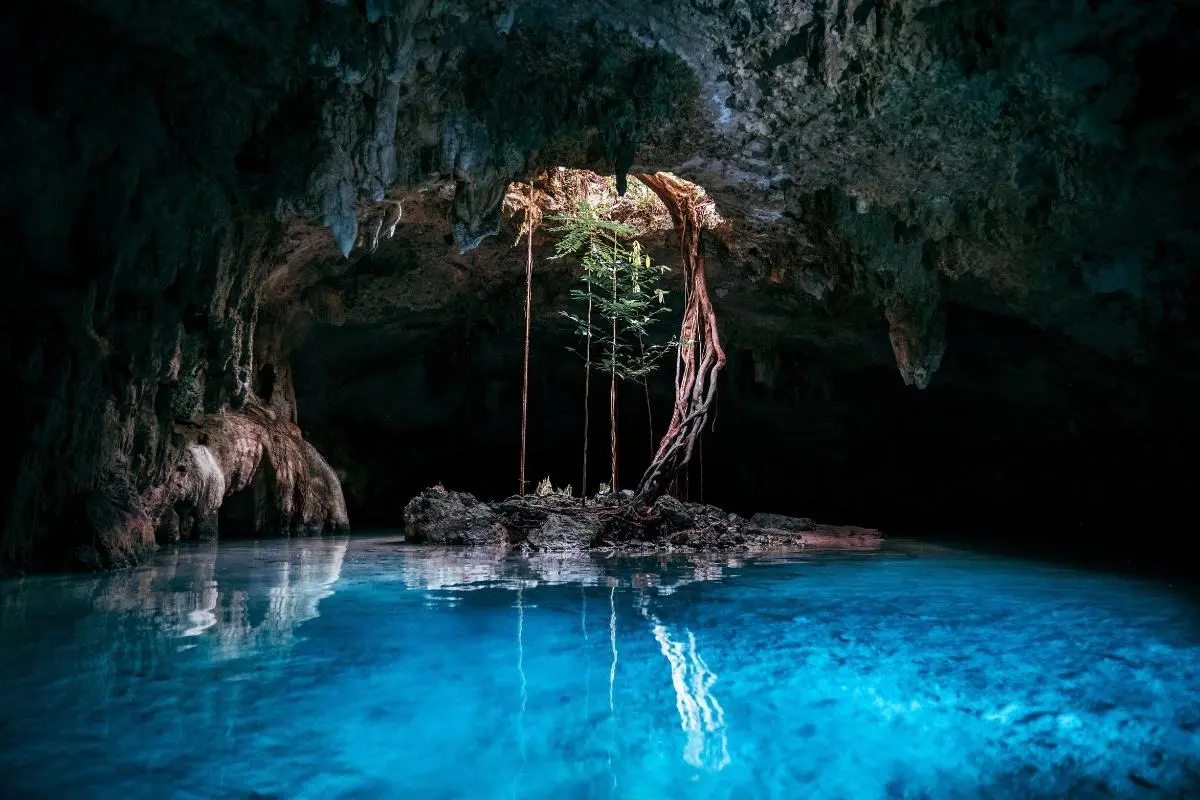
Step into limestone chambers where shafts of light puncture still water and the cavern walls seem to hold centuries of rain. Sac Actun is part of one of the planet’s longest underwater cave systems; its passages reveal geology, Mayan lore and an ecosystem that feels both delicate and immediate. It’s an adventure that's tactile — you float, you look up, the cave nudges you toward quiet observation.
Geology here reads like a slow-motion story. Over millennia, rain carved the porous Yucatán limestone into connected sinkholes and tunnels that now hold fresh groundwater. The result is a patchwork of open cenotes, twilight caverns and strict cave passages where light and shadow trade places. Local Maya communities treated these water-filled chambers as sacred entry points to the underworld; modern visitors experience them as natural cathedrals where the water is unusually clear and the formations intimate. Those formations are fragile: avoid touching stalactites and follow guide briefings closely to protect both the site and your safety.
Practical planning matters. Sac Actun is reached by short drives from Tulum and many operators run morning and midday departures; mornings usually offer the clearest light and quieter water. Non-divers can book guided snorkeling in cavern zones, while certified divers can arrange guided cave dives with reputable operators who provide stage lines, reels, and briefings. Bring a lightweight reef-safe sunscreen and a dry bag, and expect basic changing facilities at most sites. Because sections are managed and access varies, book tours through vetted providers and allow time to transfer between cenote sites and coastal activities. If you want to stack experiences, pair a cenote morning with an afternoon bicycle ride through Tulum Pueblo or a late-day boat trip into Sian Ka'an for birding and mangrove paddles.
Safety and conservation go hand-in-hand. Guides will cover buoyancy, entry and exit protocols, and the do-not-touch rules that preserve mineral formations. Water visibility and current in some passages change with the season, so flexible itineraries are wise. Respect local regulations, support operators that brief you on ecology and choose small-group trips when possible to minimize impact. For families, select open cenotes or supervised cavern experiences rather than technical cave segments; for adventure travelers, certified cave dives open up parts of the system most visitors never see.
Get to know the place
Attractions worth a closer look.


PLAN YOUR VISIT
When to go.
Best months
December, January, February, March, April
Weather
The dry season (roughly November–April) offers clearer skies, lower humidity, and more stable water conditions; summer months bring higher temperatures and frequent afternoon storms.
Peak season
Peak travel runs from December through March; sites are busiest in mid-morning and midday so book tours in advance and aim for first departures.
Beyond the peak
Visiting in the shoulder months can mean lower prices, quieter sites and greener jungle scenery, but be prepared for intermittent rain and slightly reduced visibility in some cenote passages.
PACK WITH PURPOSE
What to bring.
optional
- Action camera with waterproof housing
- Binoculars for birding in Sian Ka'an
- Small first-aid kit
essential
- Lightweight layers and quick-dry clothing
- Waterproof dry bag for electronics
- Traction footwear or water shoes
- Reef-safe sunscreen and a hat
- Personal flotation device or snorkel vest if recommended
recommended
- Light rain shell for sudden showers
- Headlamp for pre- or post-trip use
- Extra towel and change of clothes
- Reusable water bottle
FIND YOUR PACE
Choose your kind of adventure.
advanced
Advanced visitors pursue certified cave dives, extended dive circuits with guide teams, and technical exploration of deeper passages.
- Certified cave diving with experienced cave guides
- Extended multi-cenote dive circuits for technical divers
- Freediving or deep photography sessions under guided supervision
beginner
Beginner experiences focus on open-cenote swims and guided cavern snorkeling with minimal technical requirements.
- Guided snorkeling in an open cenote
- Beginner-friendly cavern swim with flotation support
- Short bicycle ride around Tulum Pueblo after a morning swim
intermediate
Intermediate travelers can explore longer cavern zones, combine multiple cenotes in a day, and try supervised shallow dives.
- Guided cavern snorkeling tours that include twilight passages
- Supervised open-water scuba experiences in larger cenotes
- Half-day Sian Ka'an boat trip with birding and paddling
BEFORE YOU GO
Your questions, answered.
Do I need a guide to visit Sac Actun?
Yes—guided trips are required for most cavern and cave zones for safety and conservation; book with a reputable operator who briefs you on protocols.
Is snorkeling in a cenote suitable for non-swimmers?
Many operators provide flotation vests and shallow, open cenote options that work for non-swimmers; communicate your comfort level when booking.
Can I scuba dive in Sac Actun without certification?
No—technical cave diving requires certification and specialized guides; discover-scuba or open-water dives in nearby open cenotes are available for beginners under strict supervision.
How long should I plan for a cenote visit?
Allow two to four hours per cenote experience including transfers, briefing, and changing; you can stack one or two cenotes with other half-day activities.
How do I get to Sac Actun from Tulum?
Most visitors take short taxi rides or pre-arranged transfers from Tulum hotels; many tour operators include hotel pickup in their rates.
What happens if it rains?
Showers are usually brief; operators may reschedule or redirect to alternative sites if conditions reduce visibility or safety; confirm cancellation policies when booking.