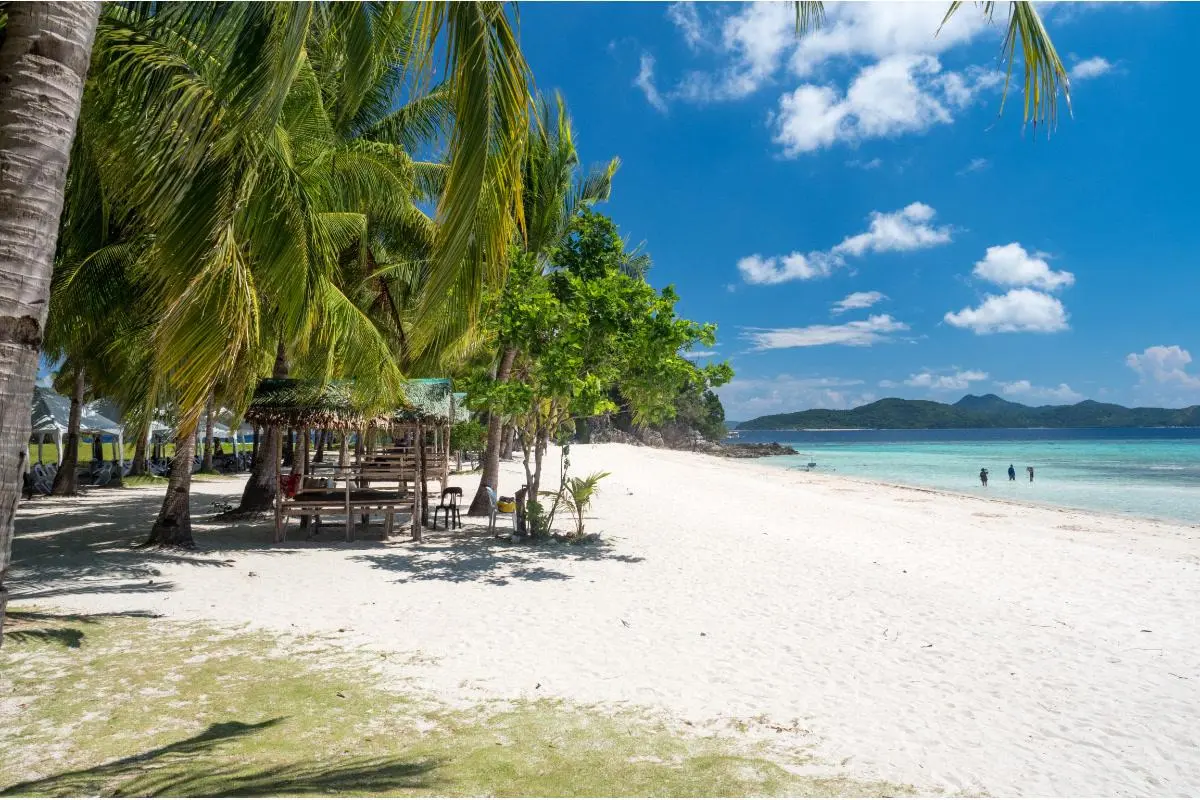
Coron, Philippines
Coron Reef and Wreck Tour D — Snorkel the Lusong Gunboat and Colorful Reefs
from $128.00USD
VAYCAI · ATTRACTION GUIDE
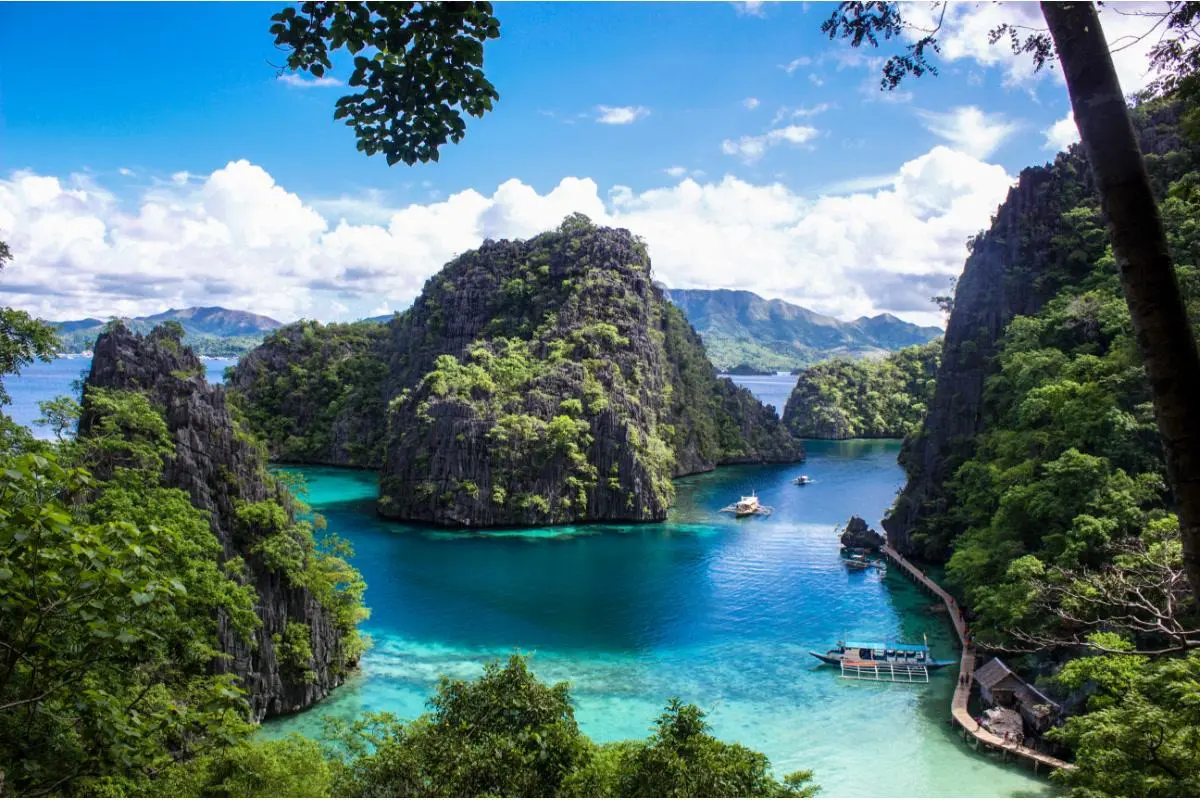
Coron, Palawan, Philippines is an archipelago stitched together by limestone karsts and turquoise water where days stack easily: shallow wreck dives and snorkeling morning-to-noon, a viewpoint hike or island trek in the afternoon, and a sunset paddle before dinner. Travel here for tight, high-value adventure—water-based exploration with a few short land ventures that add texture and perspective.
Explore experiences ↓Your guide to places, experiences, and adventures.
THE GOOD STUFF STARTS HERE
Coron, Philippines

Coron, Philippines

Coron, Philippines

Coron, Philippines

Coron, Philippines

Coron, Philippines
Coron, Philippines

Coron, Philippines


Coron, Philippines
Listed starting prices may vary by option, travel date and group size. Confirm the final total and availability on Viator. Sponsored links: we may earn a commission from qualifying bookings.
STORIES WORTH GOING FOR
GET TO KNOW THE PLACE
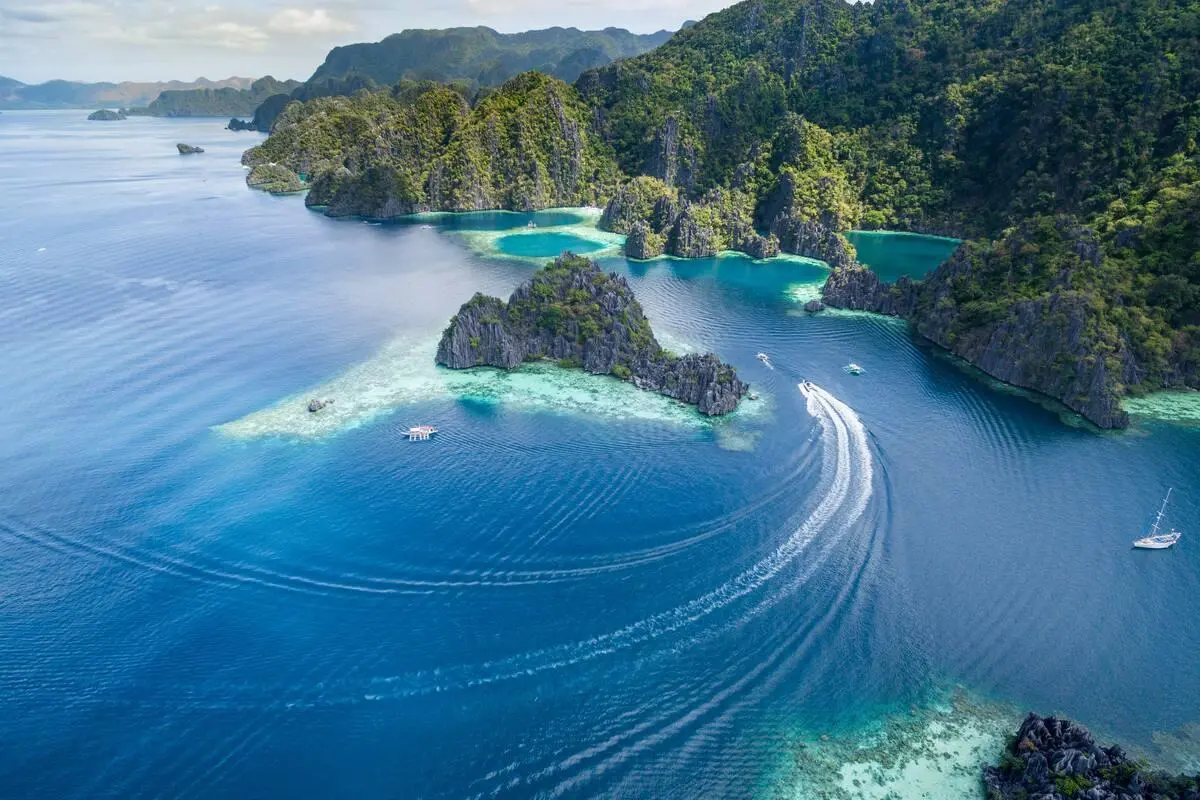
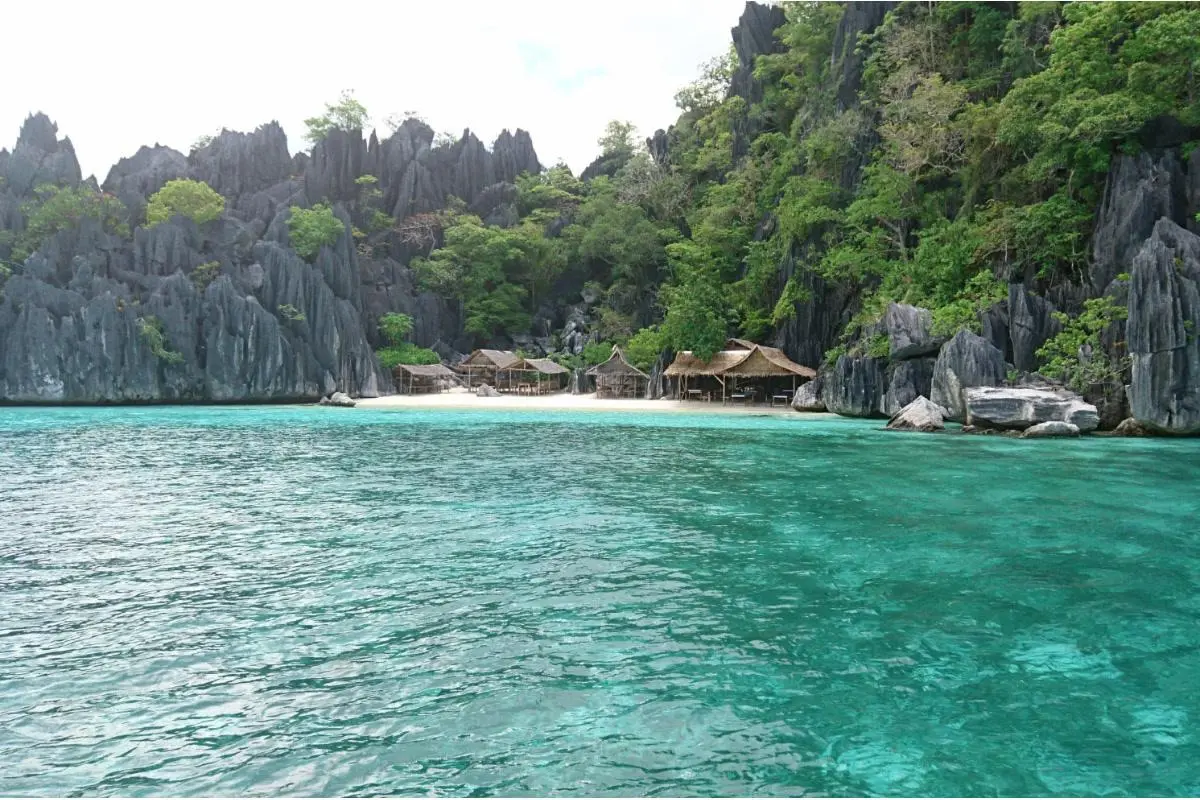
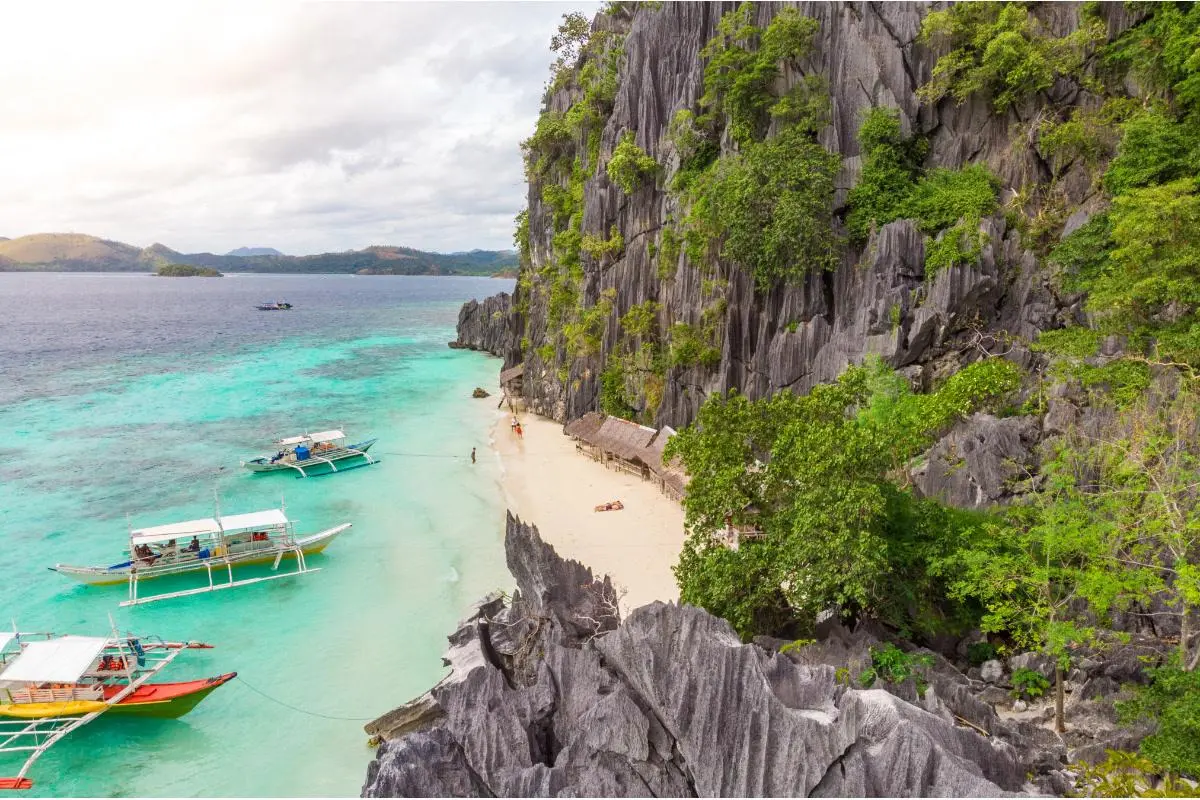
Step off the banca and the islands take the lead: limestone walls hold the morning sun, lagoons glow aquamarine, and wrecks lie ghost-silent below. Coron is compact—adventures come in short, intense packages—so you can stitch together dives, snorkels, lake swims, and viewpoint hikes in a single, smartly planned day.
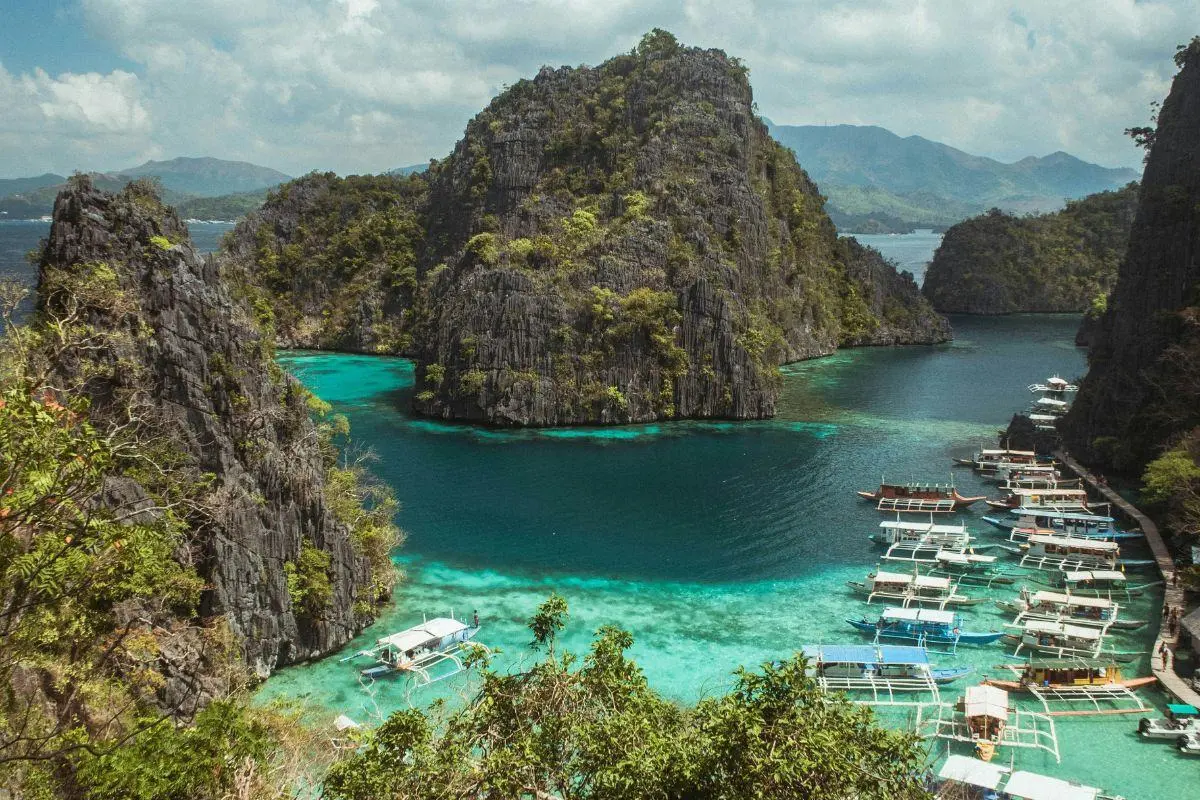
The first thing you notice is how the landscape does the navigation for you: karst towers point the way inward, sheltered lagoons cradled by cliffs invite you to drop anchor, and narrow channels nudge boats toward hidden coves. Geologically, Coron is a youthfully rugged outcrop of limestone that’s been sculpted by sea and rain; those cliffs hide freshwater lakes and caverns that feel private even on busier days. Culturally, the town of Coron hums with a mixture of Tagalog, Visayan, and indigenous Palaw’an influences; local operators are family-run and logistics tend to pivot around tide and weather windows. Plan mornings for the must-do boat trips—light is best for underwater photography and clear-water snorkeling—and leave afternoons for short land excursions that give you a different perspective on the same islands.
History lives in the water here. Several WWII Japanese shipwrecks sank in shallow bays and now attract divers from around the world; they are fragile, fascinating archives that require respectful handling. While diving and snorkeling take center stage, easy hikes and stair-climbed viewpoints offer panoramic breaks where you can read the coastline as a map. Timing is practical: book dives and island-hopping on days with calm seas, carry reef-safe sunscreen to protect both your skin and the fragile corals, and be prepared for quick tropical showers that roll in and roll out. Transfers from Busuanga Airport are short but often scheduled by van or boat, so coordinate arrival times with your first-day itinerary to avoid wasted daylight.
Logistics are straightforward with a little foresight. Overnight options range from modest guesthouses in Coron Town to small resort islands; choosing a central base makes day trips more efficient. If your priorities are wreck diving or multi-day island-hopping, schedule those experiences early in your trip in case weather forces a reschedule. Local guides know where currents slack and which lagoons are sheltered at different tide stages—use that knowledge. Finally, pack light but thoughtfully: boat days favor quick-dry layers, reef footwear, and a small dry bag for electronics. With sensible planning, Coron rewards you with high-adventure density and a mix of water and land that feels curated rather than sprawling.
Get to know the place
PLAN YOUR VISIT
November, December, January, February, March, April
The dry season brings calm seas and clearer water ideal for diving, snorkeling, and paddling; the wet season features more frequent showers and rougher seas that can curtail boat trips. Temperatures remain tropical year-round, with humidity higher in the rainy months.
December through March sees the most visitors—book accommodations and popular boat trips well in advance, and plan to start key excursions early in the day to avoid midday congestion.
Visiting in the shoulder or wet months can mean lower rates and quieter lagoons, but be prepared for canceled boat trips and muddy shorelines; have flexible plans and rain-ready gear.
PACK WITH PURPOSE
FIND YOUR PACE
For experienced adventurers seeking technical dives, multi-day expeditions, or extended paddling and steep island scrambles.
Ideal for travelers new to sea adventures—short boat trips, sheltered snorkeling, and easy viewpoints with minimal technical skill required.
For those comfortable in water and moderate terrain—multi-stop island-hopping, longer kayak legs, and guided wreck dives for certified divers.
BEFORE YOU GO
For wreck diving and safe island-hopping it’s strongly recommended to book licensed guides; for simple snorkeling and local walks you can self-guide but check tide and access conditions first.
Three to five days lets you hit top wrecks, main lagoons and a couple of hikes; a week gives a more relaxed pace and room for weather delays.
Yes; Coron is generally safe for solo travelers who follow basic precautions—secure belongings on boats, check weather before heading out, and use reputable operators for dives and hires.
Bring your certification card for wreck dives and confirm equipment availability in advance; many operators rent gear but quality and sizing vary.
Most visitors transfer by van or private car from Busuanga Airport to Coron Town, often arranged by hotels or tour operators; plan for a short land transfer followed by boat departures depending on your itinerary.
Have flexible plans: swap in land activities like viewpoint hikes, lake swims, or cultural visits, and work with your agent or operator to reschedule key trips earlier in your stay.