Coron, Philippines
Coron Ultimate Trimaran Island Tour: Kayangan, Barracuda Lake & Twin Lagoons in Luxury
from $180.00USD
VAYCAI · ATTRACTION GUIDE
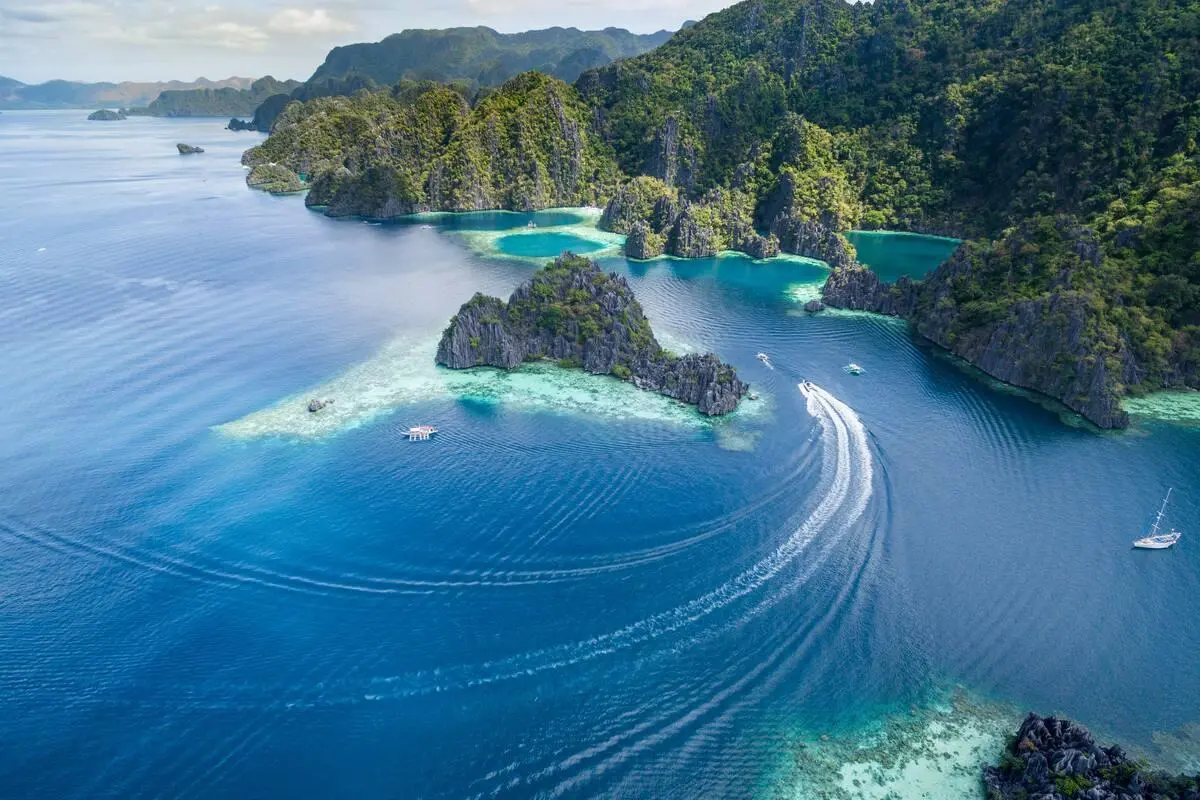
Twin Lagoon is a compact, dramatic scramble-and-swim experience where limestone cliffs hold calm emerald basins. Stack short boat trips, snorkeling or shallow kayaking, and a nearby viewpoint for a half-day of tight, tactile adventure that pairs well with Coron’s wreck dives and longer island-hopping days.
Explore experiences ↓Your guide to places, experiences, and adventures.
THE GOOD STUFF STARTS HERE
Coron, Philippines

Coron, Philippines

Coron, Philippines

Coron, Philippines

Coron, Philippines

Coron, Philippines
Coron, Philippines
Coron, Philippines

Coron, Philippines

Coron, Philippines

Coron, Philippines

Coron, Philippines

Coron, Philippines

Coron, Philippines

Coron, Philippines

Coron, Philippines
Coron, Philippines

Coron, Philippines

Coron, Philippines

Coron, Philippines

Coron, Philippines
Coron, Philippines

Coron, Philippines

Listed starting prices may vary by option, travel date and group size. Confirm the final total and availability on Viator. Sponsored links: we may earn a commission from qualifying bookings.
STORIES WORTH GOING FOR
GET TO KNOW THE PLACE
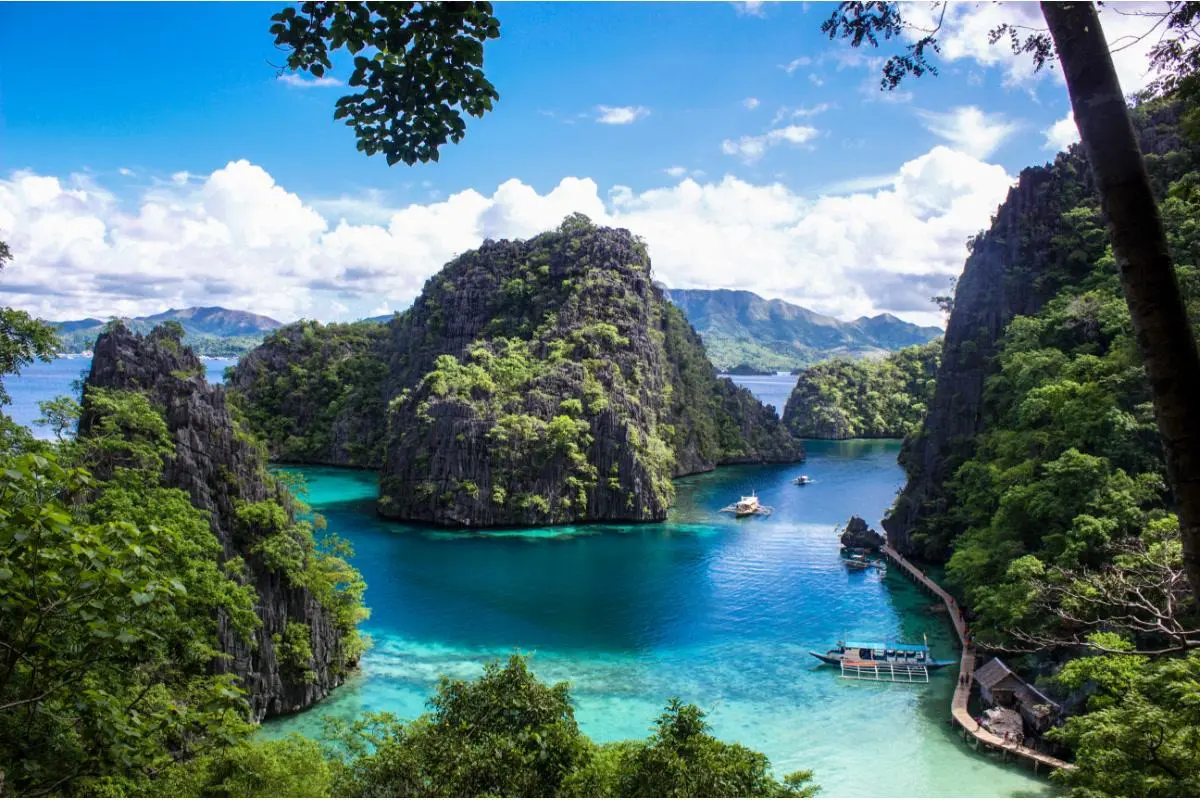
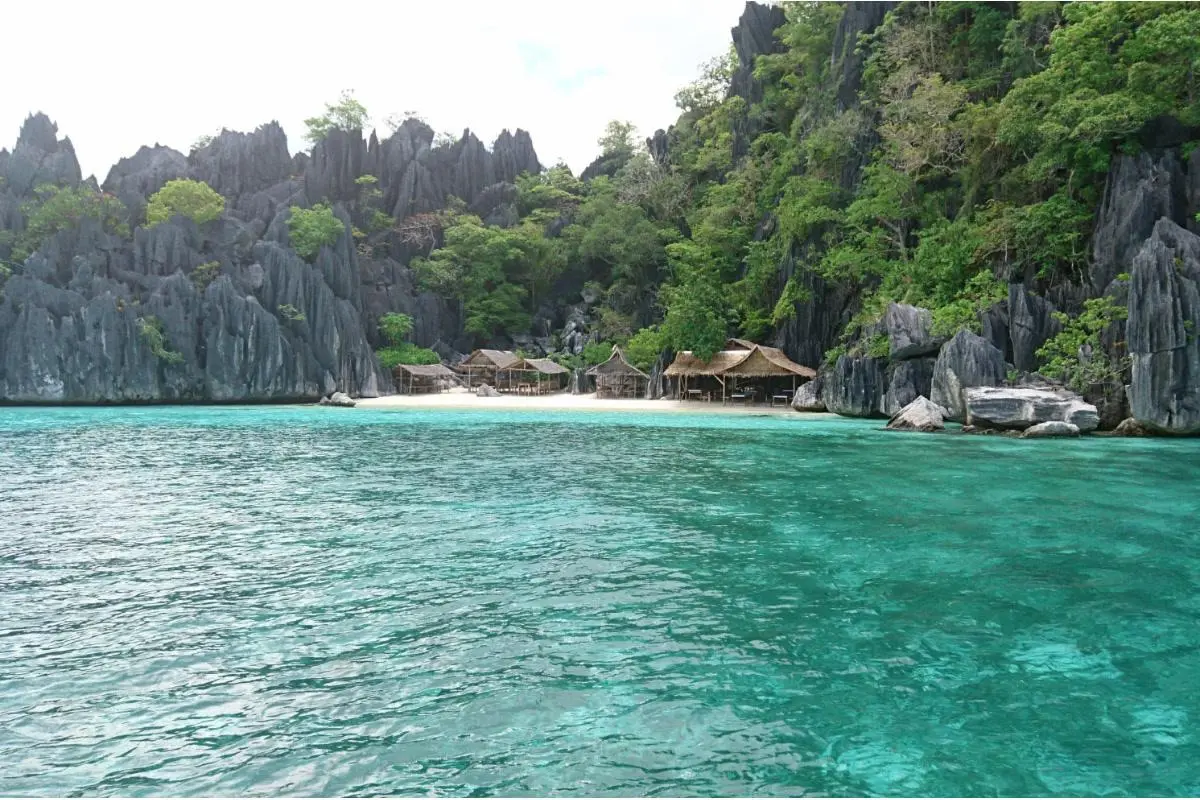
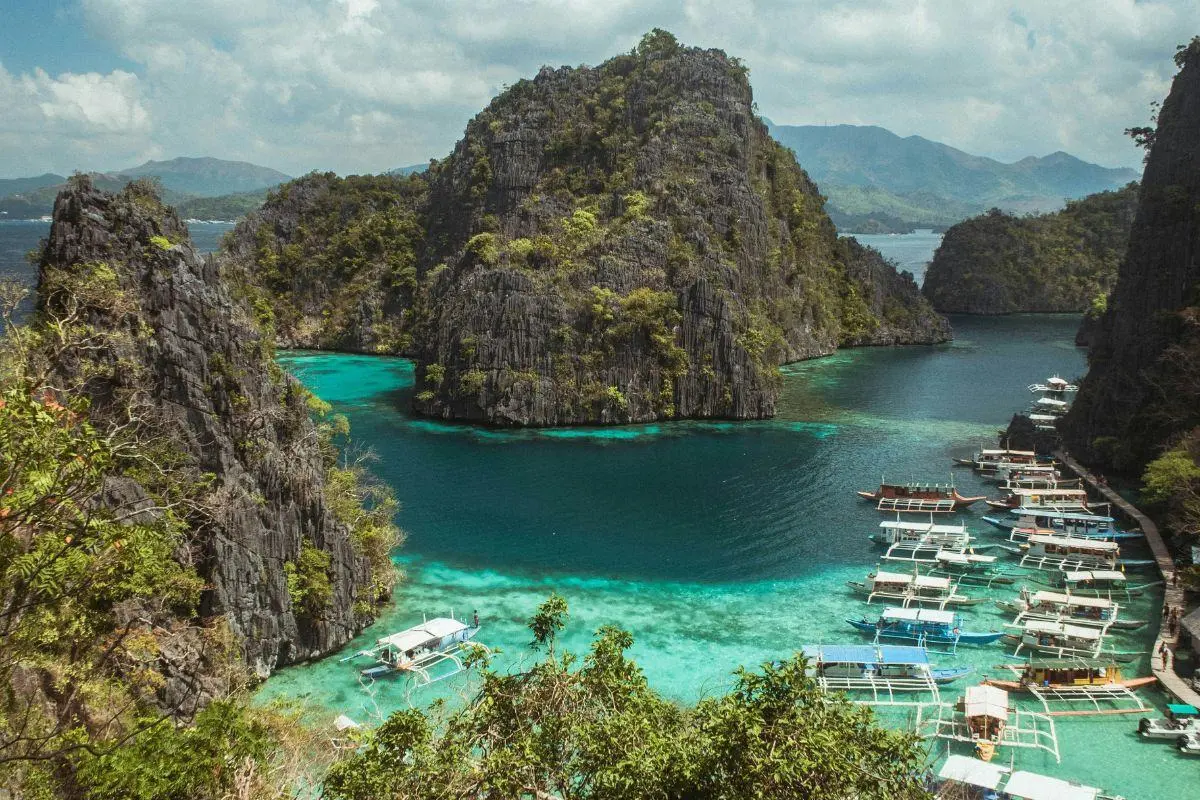
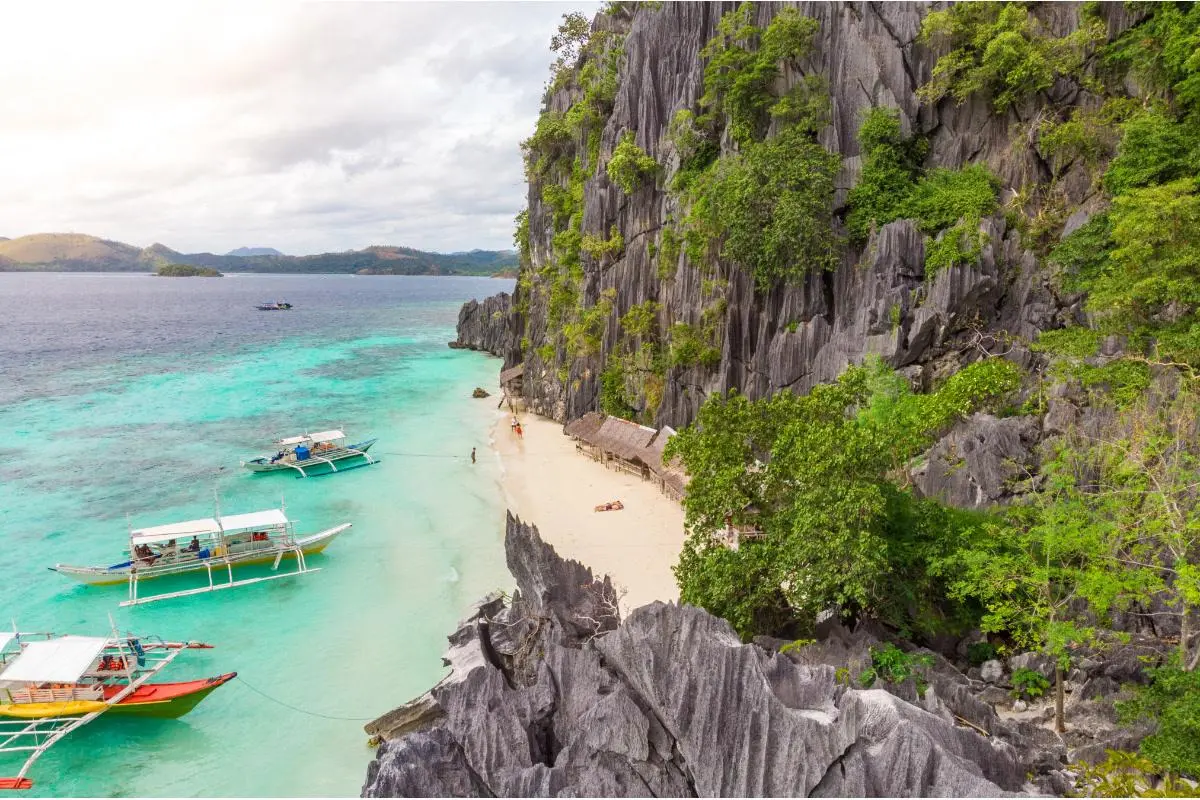
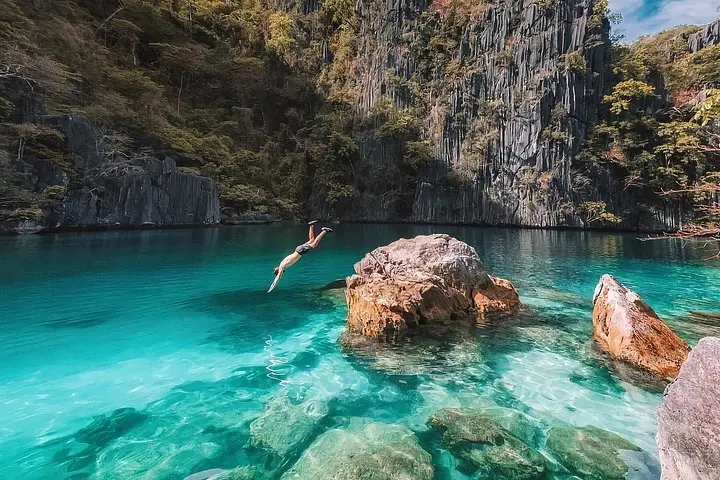
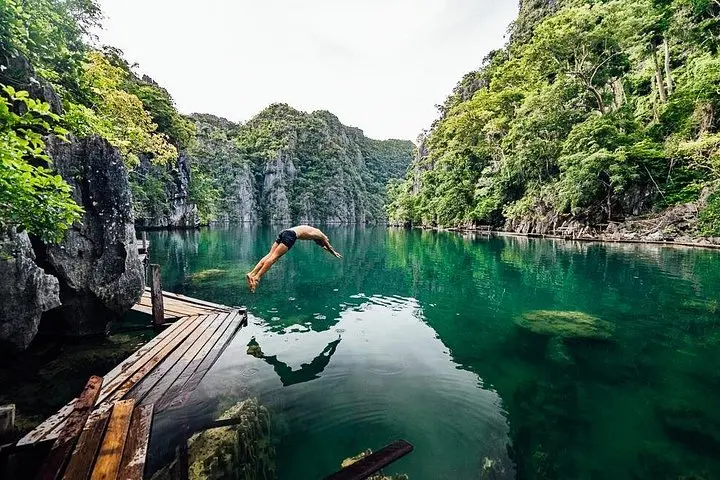
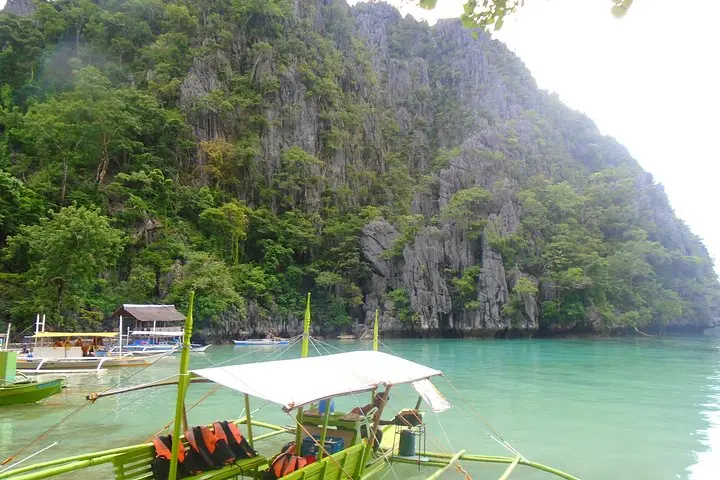
Arrive by bangka and the lagoon’s twin pools feel like a private stage set: green water cupped by vertical limestone, sunlight slanting through a narrow opening. It’s a place that rewards a small commitment — a short swim and a steady step over rocks — and then gives back quiet water, shallow coral, and immediate sense of being inside Coron’s karst landscape.
Twin Lagoon sits where Palawan’s ancient limestone has been sculpted by tides and rain into sheer cliffs and hidden basins. The rock is old coral and reef built up and lifted over geological time, and the result is stacked coastal scenery: jagged ridgelines that hold rainwater in pockets, caves that whisper with tide, and plates of reef that shelter clownfish and brittle stars. The water here has personality; it nudges you through the slot at high tide and holds perfectly still in the inner pool at low tide. That variability matters when you plan your visit.
Coron’s human history is layered too: fishing communities who read the sea for seasons, wartime wrecks that lie deeper offshore, and a growing tourism industry built around respectful access to fragile reefs. Local boat operators know the currents and the etiquette — how to approach the gap, where to anchor, and how to leave no trace. For planning, think short windows: mornings typically bring calmer seas and softer light for photos; afternoons can build onshore winds. Boats generally depart from Coron town pier or nearby resorts; most visits are half-day stops that you can stack into an island-hopping loop.
For a practical day, prioritize tide and crowd timing. Go early to avoid busy boats and capture the glassy morning pool. Bring reef-safe sunscreen, a lightweight dry bag, and water shoes for the slippery scramble. If you want deeper exploration, combine Twin Lagoon with nearby snorkeling spots or a short viewpoint hike to make a full-day itinerary. Check local notices for closures or restricted access and be prepared to pivot to a nearby cove if conditions change.
Get to know the place
PLAN YOUR VISIT
December, January, February, March, April
The dry season brings calmer seas and clearer water ideal for paddling and snorkeling, while the wet season brings brief heavy showers and choppier seas that can affect boat access.
Peak visitor months are typically December through March; plan early departures and book boats and accommodations in advance to avoid midday crowding.
Visiting in shoulder months can mean lower prices and fewer boats, but be prepared for variable sea conditions and occasional heavier rain which may require flexible scheduling.
PACK WITH PURPOSE
FIND YOUR PACE
Advanced adventurers can pair the lagoon with technical activities like open-water wreck dives and multi-day boat expeditions in the archipelago.
Gentle water access and short, supervised swims make Twin Lagoon accessible to novice paddlers and snorkelers when guided.
Intermediate travelers can combine lagoon entry with independent kayak exploration, extended snorkel sessions, and viewpoint walks.
BEFORE YOU GO
You can visit as part of an organized island-hopping trip or hire a local boat and guide; guides know the tide windows, safe entry points, and etiquette around fragile reefs.
The swim through the narrow gap is short but can be slippery; wear water shoes and check tide conditions—guides will advise whether to swim or kayak through safely.
A typical stop ranges from 30 minutes to 90 minutes depending on swimming, snorkeling, and photography; many travelers combine it with other nearby sites for a half- or full-day trip.
Yes—there are shallow coral areas inside and nearby; use reef-safe sunscreen, avoid touching coral, and follow your guide’s instructions to protect marine life.
Local operators monitor conditions and will suggest alternate sheltered coves or return to shore early; have flexible plans and travel insurance for weather-related changes.
Most visitors fly into Busuanga (Coron) Airport and transfer by road to Coron town where day-boat operators and tour offices arrange island-hopping departures.