 ◷ 8 hr
Windermere, United Kingdom
Private Full-Day Lake District Tour: Windermere, Honister Pass & Castlerigg
✓ Mobile ticket
from $646.61USD
Loading the next place…
Gathering stories, stays, and experiences for you.
VAYCAI · ATTRACTION GUIDE
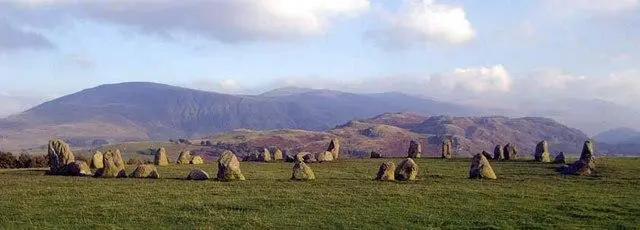
Castlerigg Stone Circle sits on a windswept knoll above Keswick, easy to pair with fell walks, lake paddling, and scenic drives through the Lake District. Expect a short, accessible visit that stacks well with longer hikes or a relaxed day of photography and local pubs. Perfect as a sunrise stop or as the contemplative end to a day on nearby ridgelines.
Explore experiences ↓Your guide to places, experiences, and adventures.
THE GOOD STUFF STARTS HERE
◷ 8 hrWindermere, United Kingdom
A Viator experience
 ◷ 4 hr
Windermere, United Kingdom
A Viator experience
A Viator experience
A Viator experience
A Viator experience
A Viator experience
Listed starting prices may vary by option, travel date and group size. Confirm the final total and availability on Viator. Sponsored links: we may earn a commission from qualifying bookings.
STORIES WORTH GOING FOR
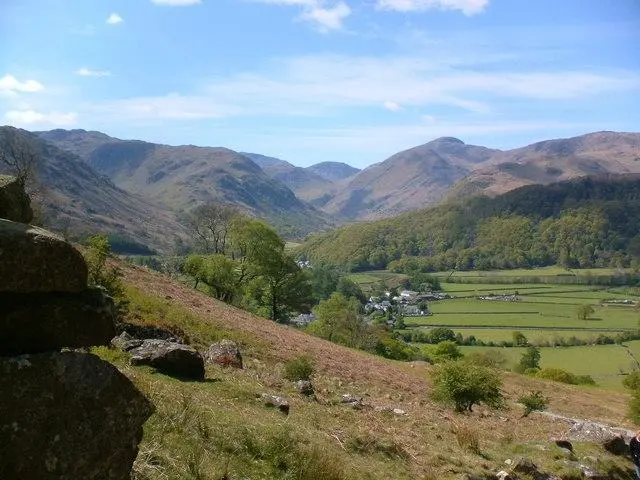
Keswick · United Kingdom
A valley of volcanic rock, ancient stone circles and rivers that seem to dare you forward—Borrowdale balances easy riverside routes with fells that reward grit. This guide explains how to blend guided tours with independent hikes so you can make the most of the Lake District’s central wild space.
Read the story ↗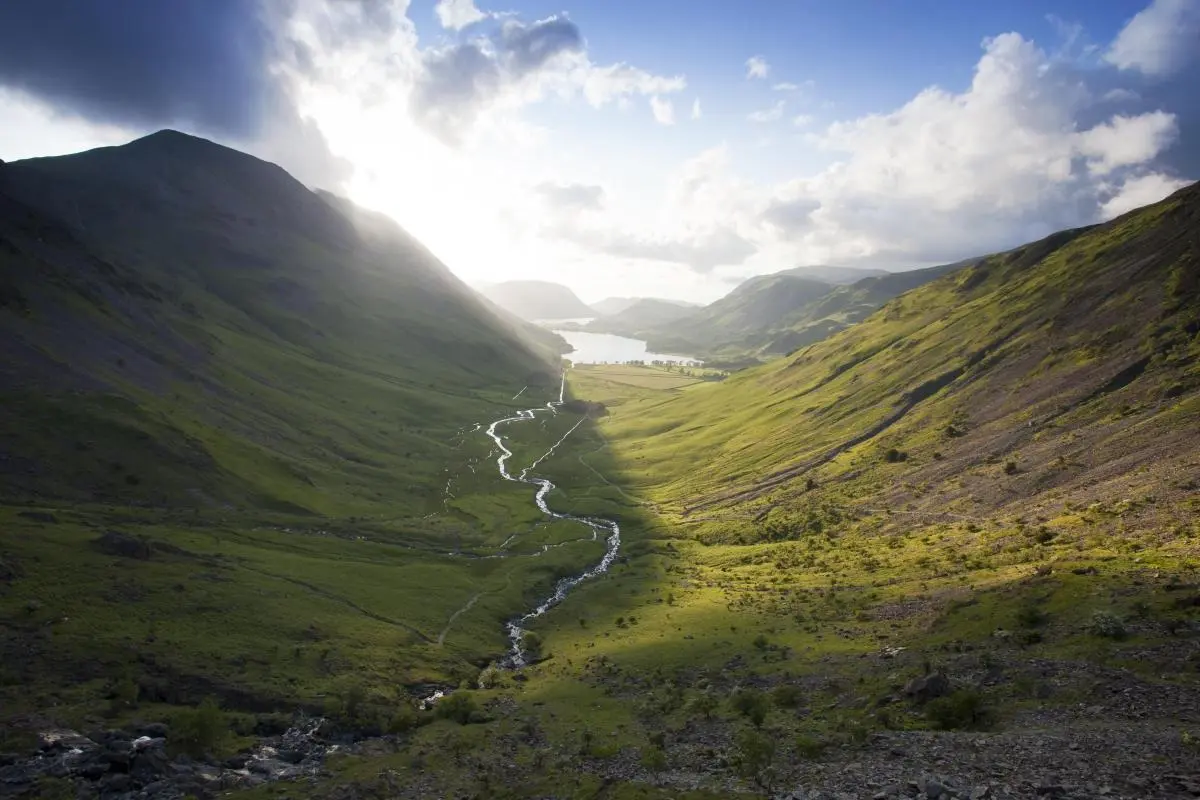
Keswick · United Kingdom
Hidden between honed fells, Buttermere Valley rewards walkers who trade pace for presence. Explore lakeshore loops, climb Wainwright’s Haystacks, or join a Ten Lakes tour for a wider sweep of the Central Lakes.
Read the story ↗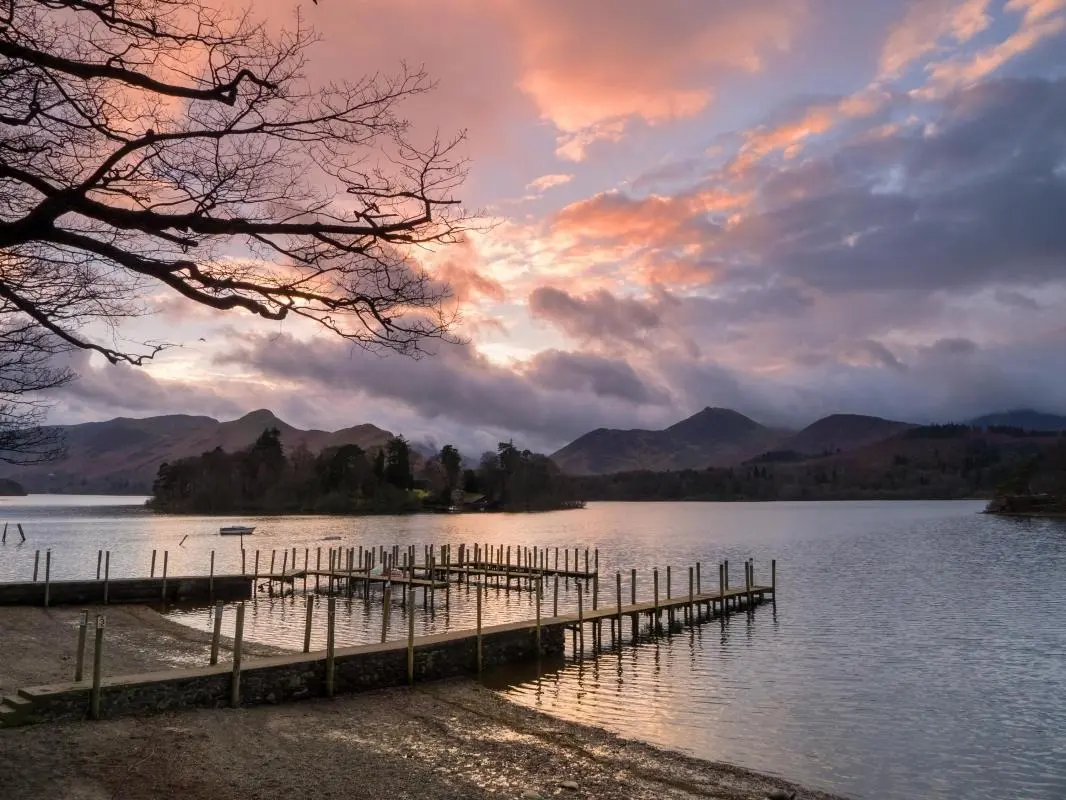
Keswick · United Kingdom
Derwentwater is the Lake District’s intimate grand stage: paddle between wooded islets at dawn, hike a lakeside circuit by noon, and join a Ten Lakes tour to stitch together the region’s best viewpoints. Practical, scenic, and quietly historic, it’s a perfect day trip or base for longer exploration.
Read the story ↗Keswick · England
Step into a bowl of stones that has framed the Lake District’s mountains for millennia. Castlerigg is a short, powerful visit—perfect for photographers, hikers, and anyone curious about Britain’s deep past.
Read the story ↗GET TO KNOW THE PLACE
Perched on a low, rounded hill, Castlerigg feels both intimate and monumental: a compact circle of weathered stones framed by fells that hold the horizon. It’s an immediate outdoor reward—minimal approach, maximal atmosphere—ideal for photographers, history-minded walkers, and anyone stacking short adventures with longer Lake District outings.
Step onto the knoll and the landscape does the work: stones mapped by millennia, ridgelines that cradle the sky, and a constant, stirring wind that nudges the experience from quiet to cinematic in an instant. The circle dates to the Neolithic era and sits on glacially scoured terrain; the stones themselves read like a simple map of human presence on a landscape shaped by ice and time. Local guides frame Castlerigg as both a ceremonial site and a vantage point—an accessible gateway to understanding the Lake District’s deep history while you plan longer walks into the surrounding fells.
Geology and weather are companions here. The knoll is a remnant of glacial deposits and the surrounding felltops collect weather quickly; clouds roll in one moment and break into light the next, so timing matters. Access is straightforward from Keswick with a short ascent from the roadside verge and a small carpark nearby, but many visitors choose to arrive on foot from adjacent trails. Because the site is open and exposed, layer choice and traction on wet grass matter more than guidebooks suggest. Castlerigg pairs naturally with a morning ridge walk or an afternoon on Derwentwater—think of the visit as a high-value stop within a larger day of walking, paddling, or mountain biking.
Practical planning keeps the experience seamless: arrive at sunrise for blue light and fewer people, or late afternoon when the western hills warm in the low sun. Bring a lightweight map or offline route on your phone and a simple kit for mud and wind—short stops can be extended if the weather is generous, and bad weather is the reason to pivot to a scenic drive or a museum in Keswick. Respect the site: it’s not a playground but a fragile cultural monument. With a bit of care, Castlerigg rewards even the busiest itinerary with a concentrated moment of landscape and history.
PLAN YOUR VISIT
May, June, July, August, September
Late spring through early autumn brings the most stable walking weather and longer daylight; summer can still have sudden showers and low cloud on the fells. Winters are quieter but colder with potential snow and short days.
The busiest period is midsummer and holiday weekends; if you prefer fewer people, aim for early morning visits or weekdays and book nearby lodging well in advance.
Shoulder seasons offer lower prices and fewer visitors; be prepared for muddy paths and changeable conditions and choose routes carefully when ground is saturated.
PACK WITH PURPOSE
FIND YOUR PACE
Longer, more technical days using the circle as a starting point for demanding routes and variable terrain challenges.
A gentle, accessible outdoor experience suitable for casual walkers and families with minimal navigation required.
Combine the Castlerigg visit with moderate fell walks and varied outdoor activities that require basic navigation and fitness.
BEFORE YOU GO
Castlerigg itself is easily visited independently—short approach and obvious access—but a local guide adds historical context or can combine the visit with longer fell walks safely.
Plan 30–90 minutes at the circle for photos and exploration; extend to half a day if pairing with a nearby walk, lake paddle, or museum stop in Keswick.
There is a small carpark adjacent to the site and roadside parking; it fills on peak days, so arrive early in the morning or use a nearby trailhead for a longer walk in.
Pivot to a scenic drive through the passes, visit indoor options in Keswick, or postpone ridge plans; always carry a waterproof shell and check local forecasts before setting out.
Dogs are generally allowed but should be under control; be mindful of grazing livestock in nearby fields and local signage about access.
Yes—sunrise and sunset offer dramatic light and fewer visitors, but plan arrival times, watch for wet ground, and respect the site and other visitors.