
Hanga Roa, Chile
Half-Day Ahu Tahai & Ahu Akivi Tour — Easter Island Moai and Puna Pau Views
from $140.00USD
Loading the next place…
Gathering stories, stays, and experiences for you.
VAYCAI · ATTRACTION GUIDE
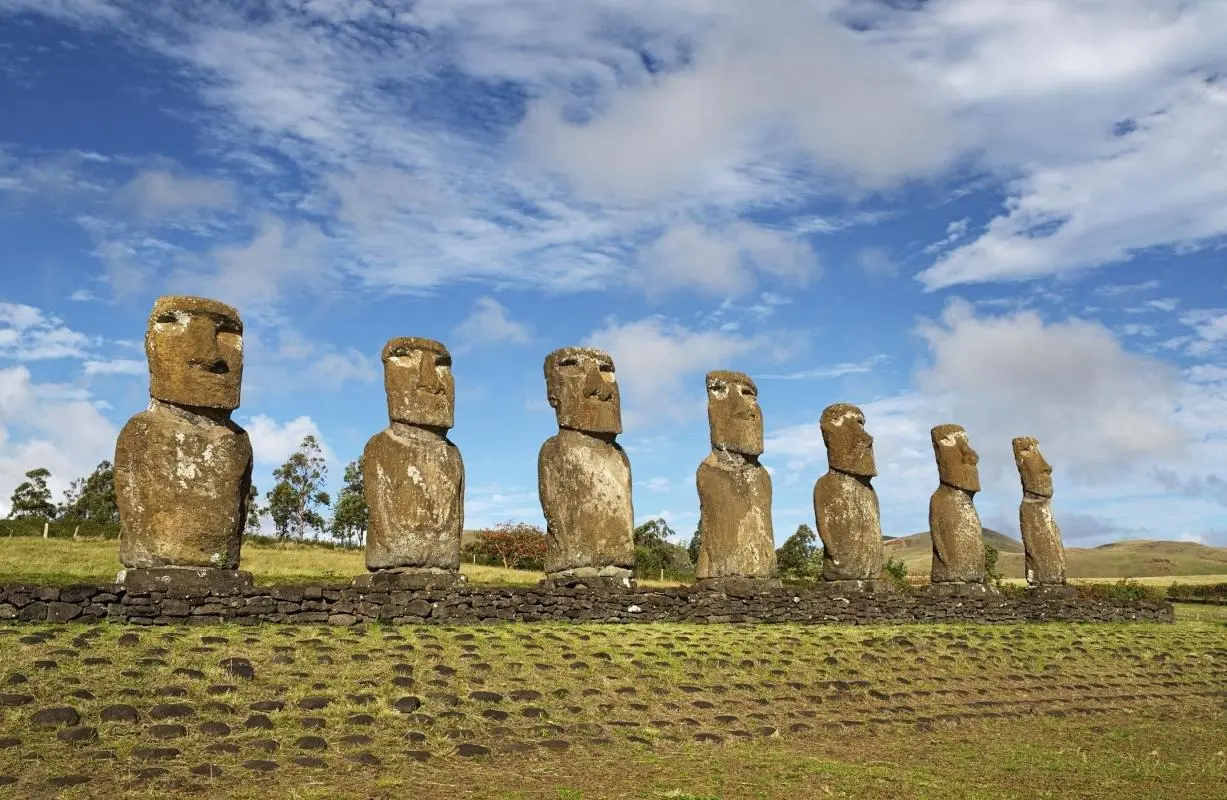
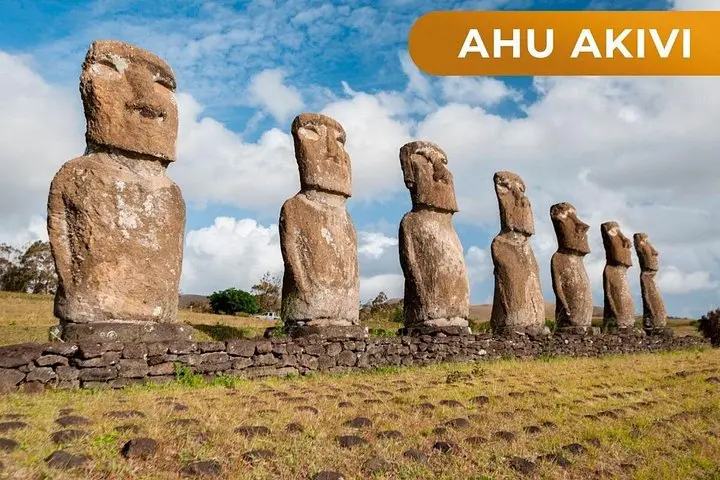
Ahu Akivi is a concentrated dose of Rapa Nui’s archaeology and coastal drama where tidal light and seven moai align. Stack short coastal hikes, archaeological viewing, and a sunset session at Ahu Tahai to turn a day trip into a full cultural loop that’s easy to pair with volcano rim walks and snorkeling along the coast.
Explore experiences ↓Your guide to places, experiences, and adventures.
THE GOOD STUFF STARTS HERE
Hanga Roa, Chile
Hanga Roa, Chile

Hanga Roa, Chile

Hanga Roa, Chile

Hanga Roa, Chile


Hanga Roa, Chile

Hanga Roa, Chile
Listed starting prices may vary by option, travel date and group size. Confirm the final total and availability on Viator. Sponsored links: we may earn a commission from qualifying bookings.
GET TO KNOW THE PLACE
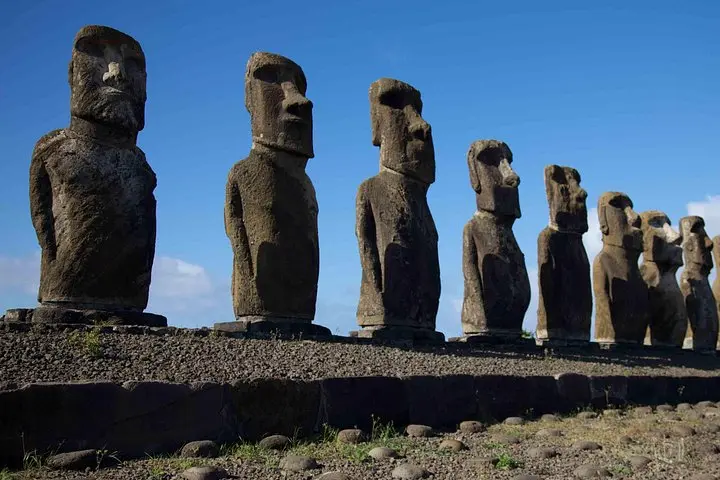
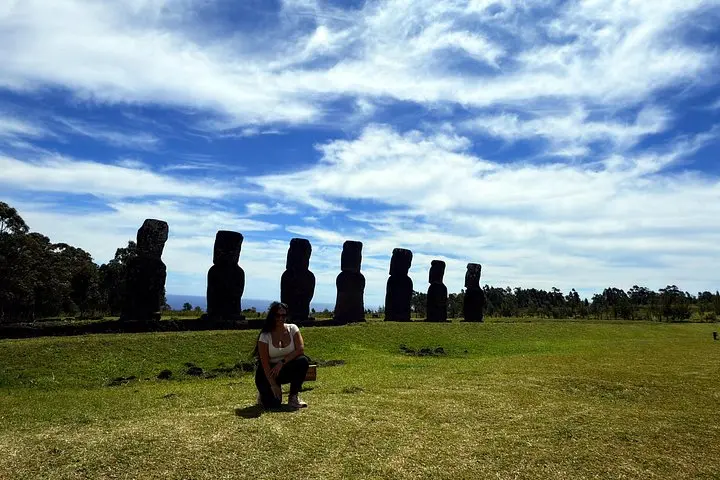
Ahu Akivi sits away from the bustle of Hanga Roa yet inside walking distance for most visitors, a rare place where seven moai stare out to sea in deliberate formation. It’s an ideal first stop to get the lay of the land: archaeology, coastal wind, and a sense of scale that prepares you for the island’s volcanic rims and hidden coves.
Walk up to the grassy platform at dawn and you feel the cliff breathe under your feet; the moai, set back from the shoreline, seem to hold the horizon in place. The site’s careful restoration makes Ahu Akivi one of the more legible archaeological experiences on the island — statues aligned, ahu platforms visible, and interpretive signs that give context without crowding the scene. Geologically, the island’s basalt flows and tuff cones are readable here: dark volcanic rock runs like a scar toward the sea, and the ocean chisels the coastline in stark relief. The light changes fast; clouds or sun reshape the moai’s shadows in the course of a single visit, so plan your stop when you can linger.
History and culture are never far from the landscape. Rapa Nui oral history, later European contact, and 20th-century preservation efforts all layer into what you see at Ahu Akivi. Local guides add vital depth — they translate names, point out petroglyphs, and explain ceremonies tied to the land and stars. Practically, Ahu Akivi is approachable: it’s accessible from Hanga Roa by foot, bike, or a short drive, and it pairs well with nearby sites like Ahu Tahai or a Rano Kau rim walk. If you want fewer people, take a sunrise slot; crowds and tour buses typically arrive mid-morning and linger through the golden hour.
Plan for conditions: the wind can bite even on a sunny day, and footwear with decent traction helps on basalt steps and grassy slopes. Time your visit so you can stack activities — morning archaeology, midday crater hike, afternoon snorkel, and sunset viewpoint. For a single-day plan, allocate a relaxed three to five hours to move at a measured pace, or make it a half-day stop on a broader circuit of the island. Verify access and guided-tour availability ahead of your visit, especially if you’re traveling during Chilean holidays or festival periods.
PLAN YOUR VISIT
October, November, December, January, February, March
Rapa Nui has mild, maritime weather; summers are warmer and calmer, while shoulder months can be breezy with intermittent showers. Wind is a constant factor, and sunlight can be intense when it breaks through clouds.
The busiest period is southern summer (December–February), when flights and tours fill quickly; plan and book activities well in advance and aim for early or late-day visits to popular sites.
Visiting in the shoulder months offers lower crowds and more flexible accommodation; trail and shore conditions may be wetter or windier, so choose routes that handle mud and avoid exposed paddles on rough seas.
PACK WITH PURPOSE
FIND YOUR PACE
More involved outings that require fitness, sea awareness, or technical support.
Gentle, accessible experiences suited to casual walkers and first-time visitors.
Moderate activities that combine short hikes, shore exploration, and light snorkeling.
BEFORE YOU GO
No—you can visit independently, but a local guide adds cultural context and points out lesser-known features and proper etiquette around sacred sites.
Allocate 30–90 minutes for Ahu Akivi alone; combine it with nearby sites for a half-day or full-day itinerary.
Access is easier than many island sites but surfaces include grass and uneven stone; visitors with mobility concerns should check specific route conditions and consider driving to the nearest access point.
Ahu Akivi is a short drive or bike ride from Hanga Roa and can also be reached on foot depending on your pace; taxis and bike rentals are common options.
Have flexible plans: visit indoor cultural centers in Hanga Roa, shift to sheltered viewpoints, or reschedule snorkeling and paddling for calmer conditions.
Respect barriers and signage, avoid touching moai or petroglyphs, and follow guidance from local authorities and guides to honor cultural protocols.