Loading the next place…
Gathering stories, stays, and experiences for you.
Loading the next place…
Gathering stories, stays, and experiences for you.
VAYCAI · ATTRACTION GUIDE
Sagano is a compact pocket of countryside just outside Kyoto where bamboo groves, temple-dotted hills, and a playful river combine into a day of stacked adventures. Hike forested ridgelines, float past layered valley views on a river boat, and punctuate the day with a scenic railway or cycling loop—easy to mix into a single flexible itinerary.
Explore experiences ↓Your guide to places, experiences, and adventures.
THE GOOD STUFF STARTS HERE




Listed starting prices may vary by option, travel date and group size. Confirm the final total and availability on Viator. Sponsored links: we may earn a commission from qualifying bookings.
STORIES WORTH GOING FOR
Kyoto · Japan
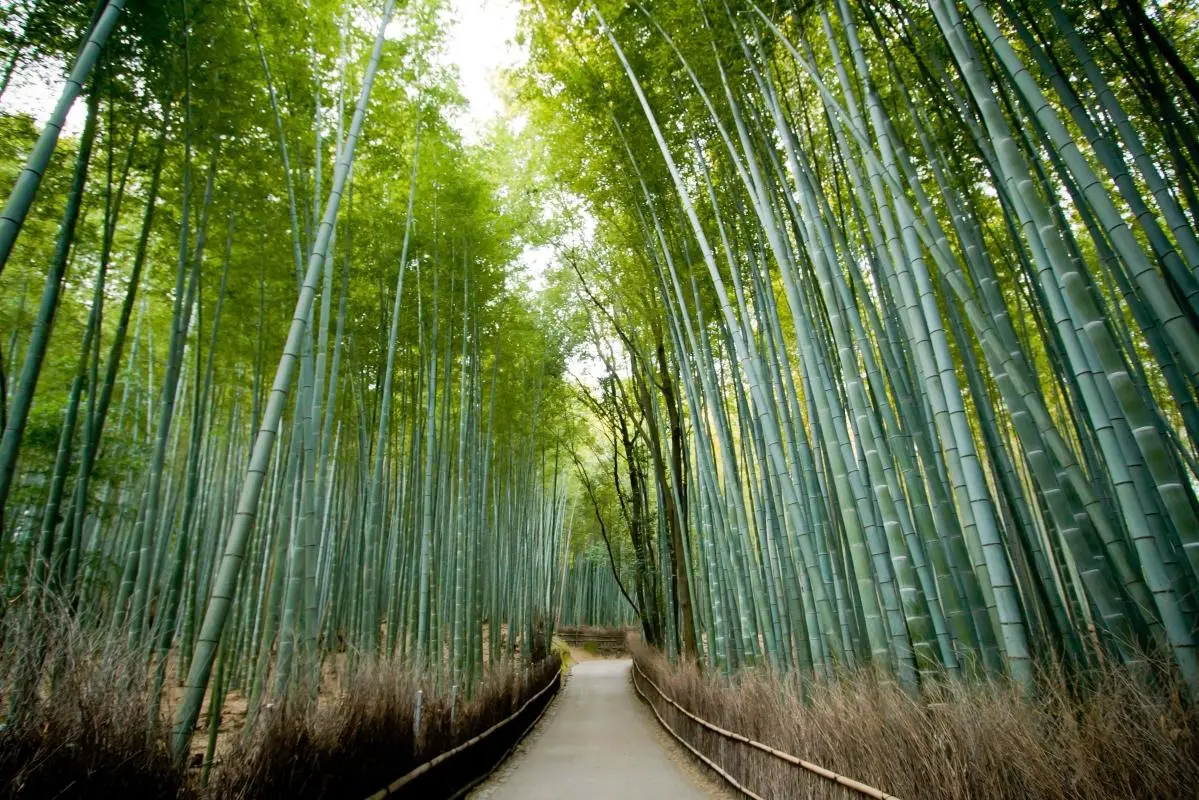
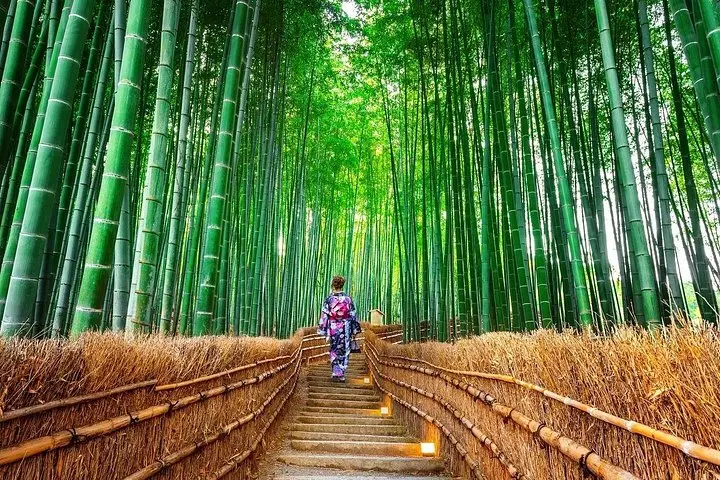
Beat the crowds and find the quieter rhythm of Arashiyama’s Sagano: bamboo-lined pathways, a UNESCO temple garden, riverside views and a short mountain hike with macaques. This guide blends practical logistics with immersive on-the-ground advice.
Read the story ↗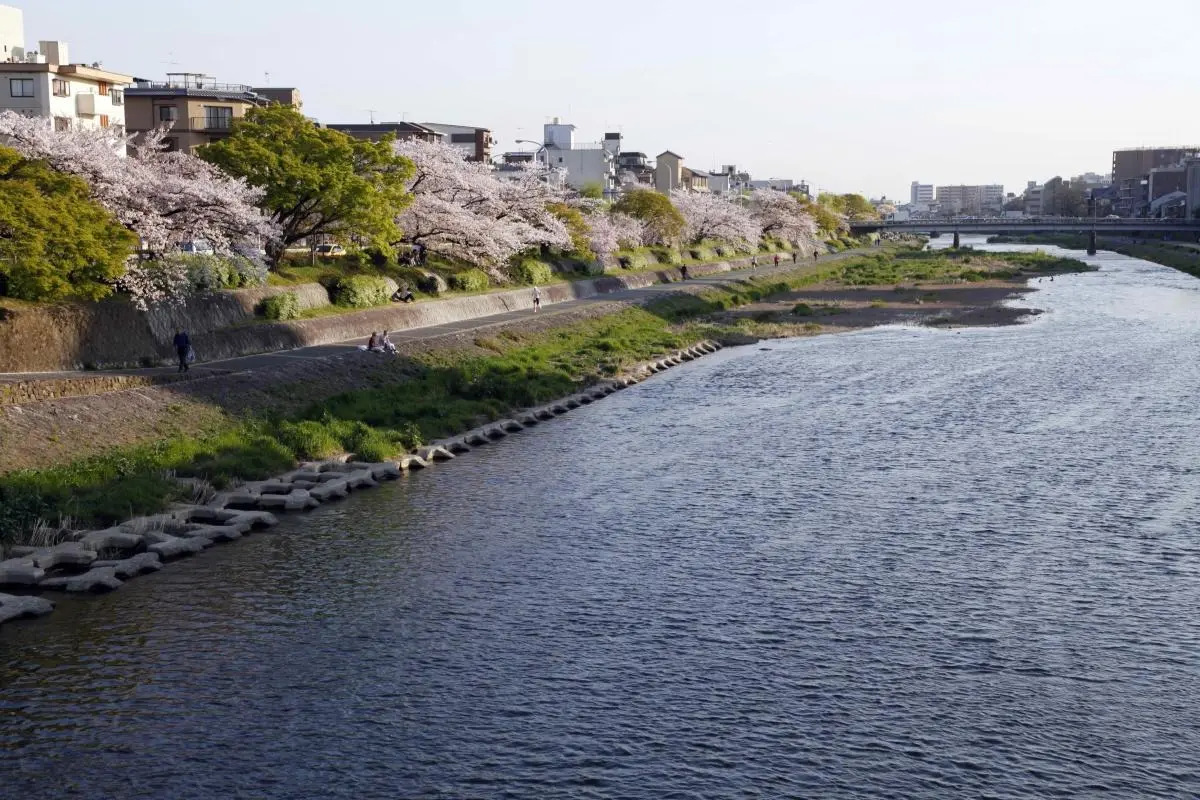
Kyoto · Japan
Follow Kyoto’s Kamogawa River for effortless miles and deep local feel. This is where the city breathes—flat paths, willow shade, and a steady current connecting shrines, lanes, and lantern-lit nights.
Read the story ↗
Kyoto · Japan
Fushimi Inari Taisha is where Kyoto’s religious life and everyday city pulse meet. Walk the thousand gates at dawn, learn the shrine’s layered history, and plan your visit with straightforward tips for easing crowds and deepening the experience.
Read the story ↗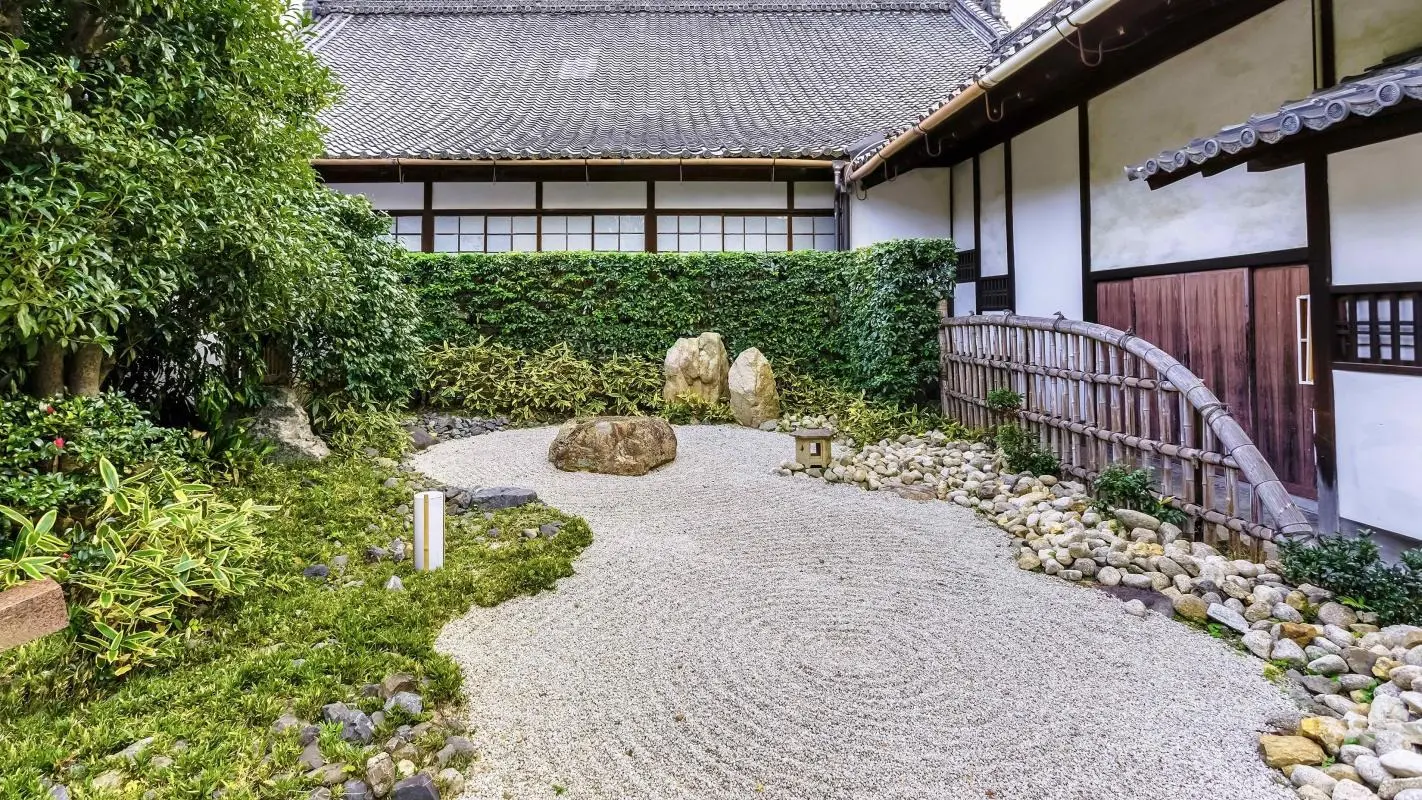
Kyoto · Japan
Shoren-in Temple is Kyoto in miniature: measured architecture, mossed gardens, and maples that insist you slow down. Learn why this Monzeki temple rewards early mornings, seasonal viewings, and pairing with bike, rickshaw, or private garden tours.
Read the story ↗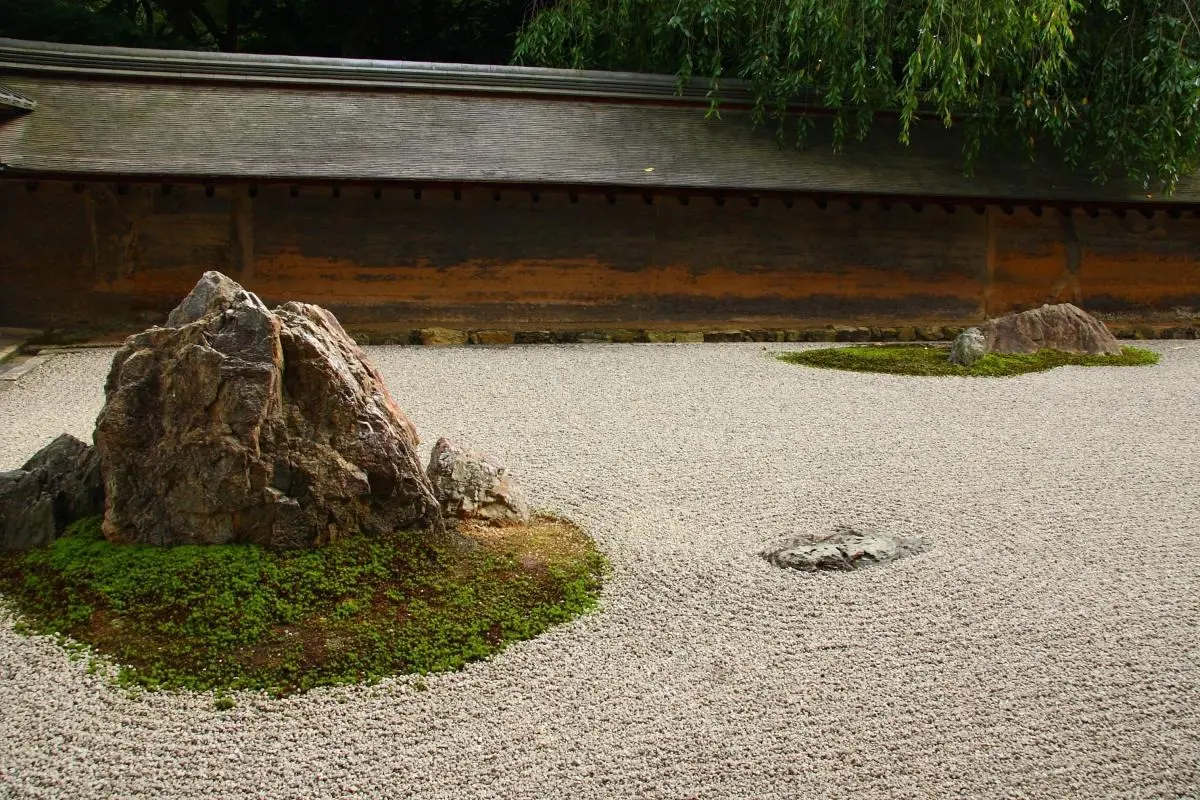
Kyoto · Japan
Ryoan-ji’s famed zen rock garden asks you to slow down. In a city of gold pavilions and bamboo groves, this modest rectangle of stones is Kyoto’s most persuasive argument for stillness—here’s how to visit with context and practical savvy.
Read the story ↗GET TO KNOW THE PLACE
Walk into Sagano and the forest rearranges your pace. Bamboo stalks straighten like columns, the Hozu River nudges at the valley floor, and old temples sit like patient observers. The place rewards compact planning: stack a morning stroll, a river experience, and a scenic train or cycling loop without long transfers.
Sagano’s terrain is small but layered. The bamboo grove’s slender trunks funnel light and sound; footpaths thread through temple precincts and rise to low ridges that hold wide views of the Hozu valley. Geologically, the area is a folded mix of low mountains and river terraces shaped by the river’s seasonal moods. Historically, this corridor served as a lodging and pleasure-ground in feudal times, which is why modern visitors still find a mix of cultivated gardens and quiet forest tracks. The landscape feels intentional—every viewpoint and bridge is both an esthetic choice and a practical crossing point.
Culturally, Sagano balances pilgrimage and tourism. Temples here are active community sites, so plan visits around quiet hours and respect onsite customs; some shrines host seasonal displays tied to cherry blossom and autumn foliage cycles. Access is straightforward from central Kyoto by train or bus, and much of the area works well as a half-day or full-day loop depending on how many cultural stops you add. Early mornings and weekdays offer the clearest experience for hiking and photography; afternoons fill with day-trippers arriving by the scenic railway and nearby stations.
For planning purposes think in layers: main-traffic attractions (bamboo grove, riverside promenades) are short walks but attract crowds, while ridge paths and lesser temples provide solitude and view-based rewards. Weather influences everything—spring and autumn are high-contrast seasons with comfortable temperatures and clear visibility, while summer brings humidity and occasional storms. Prioritize what you want to ‘stack’—a short hike plus a river passage and a scenic train ride make a satisfying day. If you want to add cycling, choose quieter lanes or guided routes that avoid the busiest pedestrian stretches.
PLAN YOUR VISIT
March, April, October, November
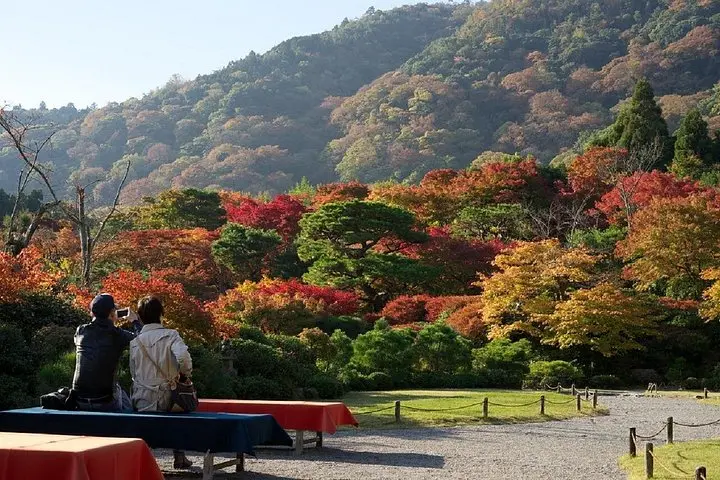
Spring brings cool, stable days and cherry blossoms; autumn delivers crisp air and vivid foliage. Summers are humid with occasional heavy rain; winters are cool and generally dry with quieter trails.
Late March–early April and late October–November are the busiest periods due to cherry blossom and autumn foliage; book accommodations and arrive early to avoid crowds at the bamboo grove and riverside.
Winter and mid-summer offer lower crowds and better rates; winter is quiet with clear views, while summer can be humid—choose shaded routes and verify trail conditions after heavy rain.
PACK WITH PURPOSE
FIND YOUR PACE
Suited to adventurous travelers who want longer route-finding, early starts, and personalized exploration.
Ideal for travelers who prefer short walks and cultural stops with minimal elevation change.
For travelers comfortable with longer walks, modest climbs, and mixing cultural visits with active transit.
BEFORE YOU GO
No—many highlights are easy to reach independently, but a guide adds cultural context, local history, and access to quieter routes or private river experiences.
Plan for a half-day to a full day depending on how many activities you stack; a compact loop with a bamboo grove visit, short hike, and river experience fits well into a single day.
Yes—paths are generally gentle and attractions are accessible for most ages, though supervise children near riverbanks and stairs at temple sites.
Bring a rain shell and consider shifting to sheltered cultural sites, a scenic train ride, or a nearby temple circuit; some river operators suspend services in heavy weather, so verify before you go.
Yes—bike rentals are common near transit hubs; choose a well-maintained rental and a quieter lane or guided route to avoid busy pedestrian zones.
No—crowds concentrate in spring and autumn; visiting early mornings, weekdays, or off-season will give you a much quieter experience.