Positano, Italy
Secret Walks of Positano: Local Lanes, Pirate Forts & Fornillo Beach
See current price
Loading the next place…
Gathering stories, stays, and experiences for you.

VAYCAI · ATTRACTION GUIDE
Fornillo is Positano’s quieter cove—pebble beach, clear water, and short coastal trails that pair well with boat hops and cliffside walks. Stack a morning swim with a mid-day hike along the coastal path and an evening seafood meal in town for a compact day of sea, trail, and culture.
Explore experiences ↓Your guide to places, experiences, and adventures.
THE GOOD STUFF STARTS HERE
Positano, Italy
Listed starting prices may vary by option, travel date and group size. Confirm the final total and availability on Viator. Sponsored links: we may earn a commission from qualifying bookings.
STORIES WORTH GOING FOR
Positano · Italy
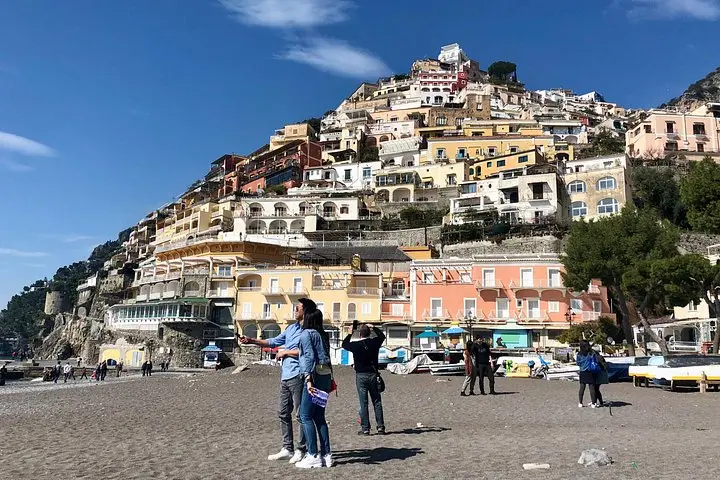
Tucked west of Positano’s main beach, Fornillo is a pebbled cove prized by locals for calm waters, coastal caves and easy access to private boat trips. Explore the shoreline by sea, wander narrow alleys with a local guide, and learn when to arrive for the best light and the clearest water.
Read the story ↗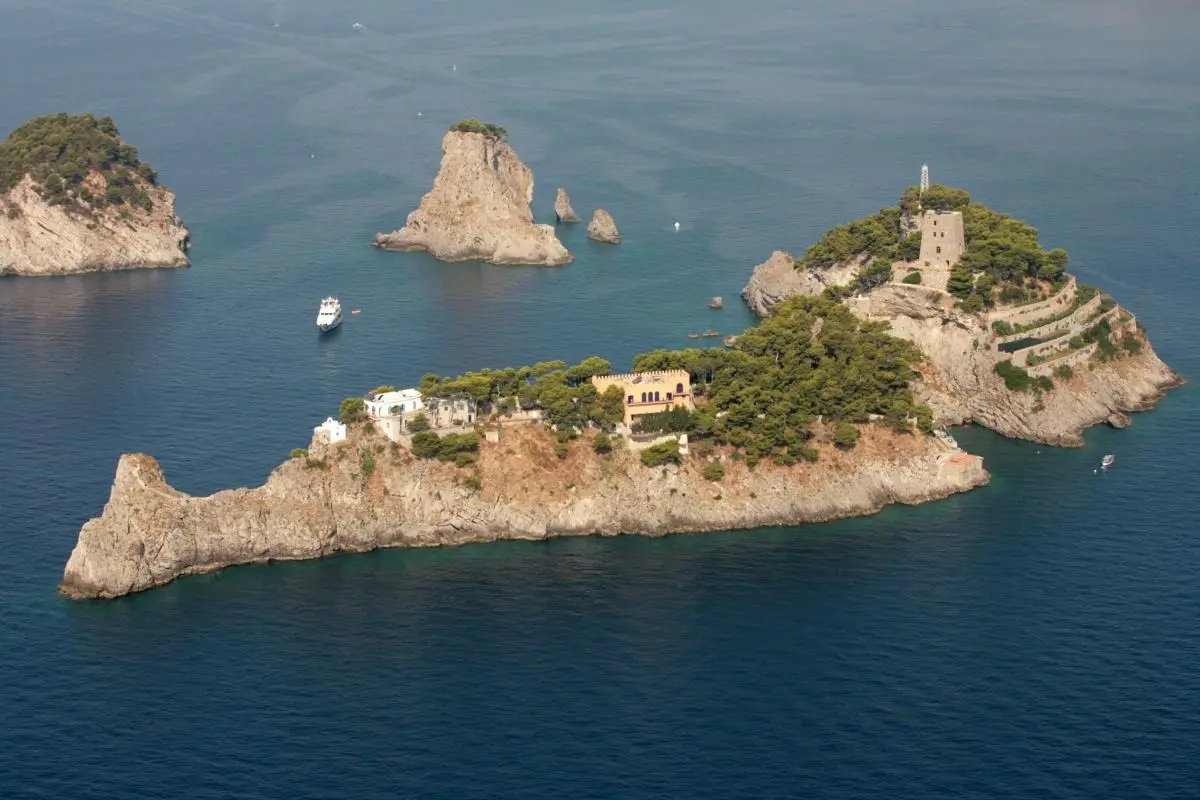
Positano · Italy
Tiny, myth-tinged islets off the Amalfi Coast, Li Galli reward those who arrive by sea: swimming in crystalline coves, circling sea-carved rock, and tracing Greek-myth history between Positano and Capri. Here’s how to make the most of a boat day on the Sirenuse.
Read the story ↗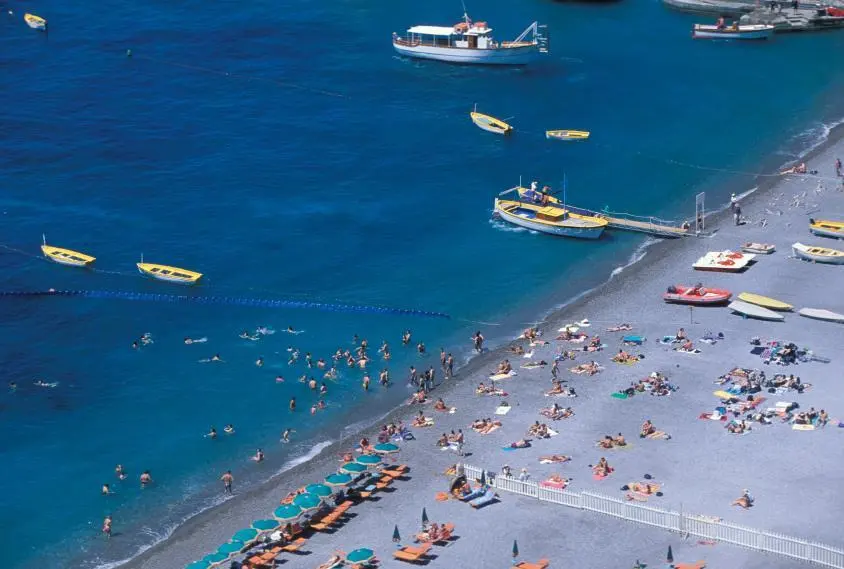
Positano · Italy
Spiaggia Grande is the energetic center of Positano—part beach, part harbor and wholly cinematic. This guide shows how to balance lazy sea time with boat excursions and cultural side trips so you can experience the Amalfi Coast with purpose and ease.
Read the story ↗GET TO KNOW THE PLACE
Below Positano’s pastel stack, Fornillo feels deliberate: smaller than the main beach, edged by cliffs and framed by narrow paths that invite exploration. It’s a place you come for water that nudges you in and trails that earn the meal that follows, a compact slice of Amalfi where adventure and downtime coexist within sight of town.
Walking toward Fornillo, the cliffside feels worked by many hands—limestone terraces folded centuries ago into lemon groves and narrow lanes. The geology is simple and decisive: sedimentary rock that holds terraces, coves, and staircases. Historically, Positano prospered as a maritime and weaving community and those livelihoods shaped the human imprint here—whitewashed walls, tight alleys, and a culture that honors the sea. The beach itself is pebbled, so the contact with the water is immediate: it doesn’t lull you into false softness but rather announces the clarity and salt. Natural elements here have personality; the sea can be gentle or insistent, the wind will test an umbrella, and a late-afternoon swell will rearrange the pebbles.
Practically, Fornillo is an easy stack: arrive early to claim space on the pebbles, hike a short coastal stretch to earn your swim, then opt for a rented dinghy or a public boat to explore adjacent grottos and shoreline cliffs. Timing matters—mornings are calm for swimming and photography, while late afternoon softens for walking and dining. Access is on foot from central Positano via a narrow path or by sea; bring footwear for stairs and traction on local trails. Pack light if you plan to hop boats: a dry bag for phone and a thin layer for wind on the water will keep the day moving without fuss.
Local rhythm and etiquette are straightforward: the town moves with tourist seasons but remains rooted in local meal times and modest dress around churches. Keep noise low on residential paths, respect private terraces and permanent steps, and follow signage where access is restricted. Weather can pivot—brief summer storms or off-season rain will make stone steps slick, so use caution. If you want to stretch beyond Fornillo, short hikes and scenic drives along the Amalfi stretch offer dramatic vantage points; those movements require early starts and reservations in high season to avoid ferry queues and crowded parking.
PLAN YOUR VISIT
May, June, September, October
Spring and early fall offer warm water, stable skies, and cooler trail temps; summer is hot and busy while winter is mild but can be windy and wetter. Sudden coastal breezes and brief showers are possible year-round.
Peak season runs through July and August when ferries and beaches are busiest; plan to start activities early, reserve boats and accommodations well in advance, and expect higher prices and crowding midday.
Off-season months bring fewer crowds, lower rates, and quieter trails; be mindful that some services and private boat operators reduce schedules and stone steps can be slick after rain.
PACK WITH PURPOSE
FIND YOUR PACE
For experienced adventurers interested in longer coastal traverses, multi-segment days, and variable sea conditions.
Suitable for travelers who want relaxed coastal access, short walks, and easy swims with minimal technical demand.
For visitors comfortable with stair-heavy approaches, uneven paths, and combining hikes with water-based activities.
BEFORE YOU GO
Yes—calm mornings and clear water are family-friendly, but the pebble shoreline and stairs require supervision and water shoes for comfort.
Short coastal stretches are doable self-guided with a map, but a local guide adds safety, historical context, and can arrange boat transfers to avoid backtracking.
You can walk a short coastal path from the town center or take a small public/private boat; walking involves steps and narrow lanes so allow extra time.
Facilities are limited compared with the main beach—use cafes in Positano before or after your visit and bring water and essentials for the beach.
Yes—local operators provide boat rentals, guided excursions, and basic water gear seasonally; reserve during peak months where possible.
Monitor local forecasts, avoid venturing far if swell increases, and seek shore or a staffed boat operator for assistance; carry a charged phone and inform someone of your plan.