
Matamata, New Zealand
Auckland to Hobbiton & Rotorua: Private Day Trip to Hobbiton Movie Set, Wai-O-Tapu & Te Puia
from $249.67USD
Loading the next place…
Gathering stories, stays, and experiences for you.
VAYCAI · ATTRACTION GUIDE
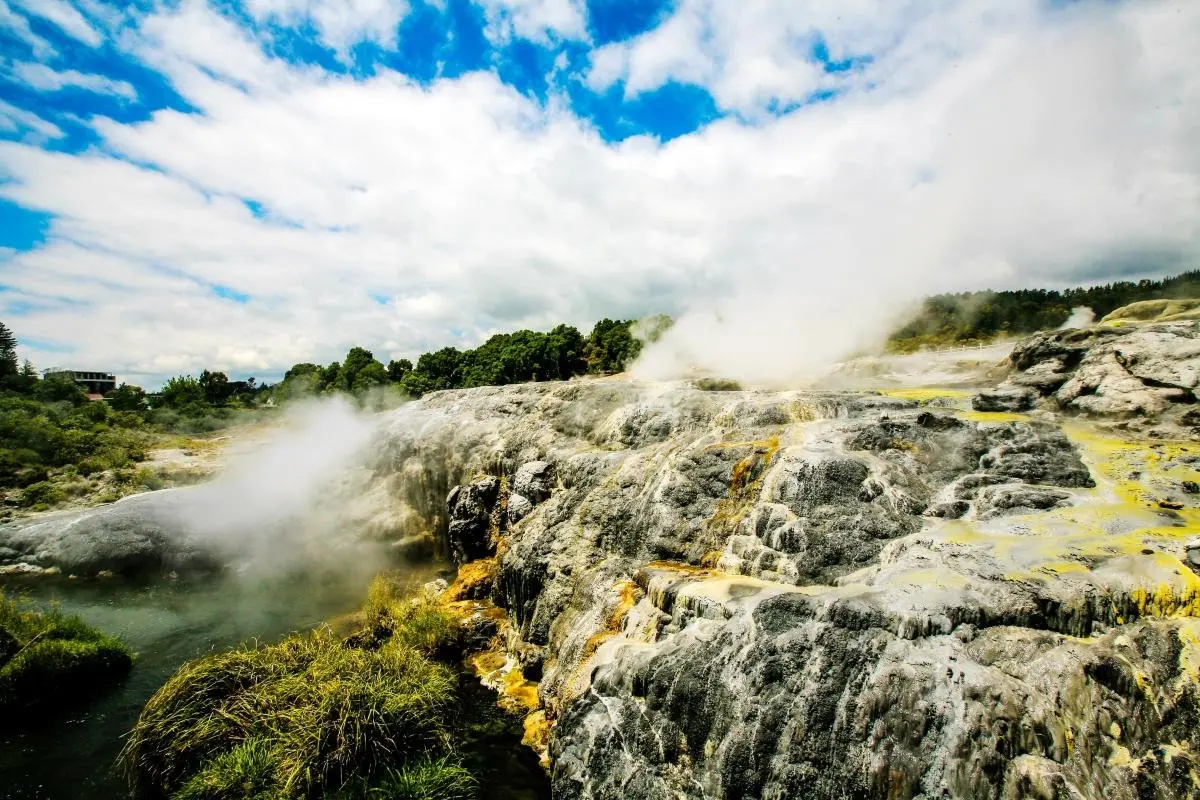
Te Puia sits at the heart of Rotorua’s geothermal theatre and Māori cultural life, a compact pairing of steaming vents and living craft. Stack a geothermal walk with a Redwoods ride and a lakeside paddle for a day that mixes short hikes, cultural encounters, and easy water time.
Explore experiences ↓Your guide to places, experiences, and adventures.
THE GOOD STUFF STARTS HERE
Matamata, New Zealand
Rotorua, New Zealand

Rotorua, New Zealand

Matamata, New Zealand

Rotorua, New Zealand

Matamata, New Zealand

Rotorua, New Zealand

Waitomo, New Zealand

Rotorua, New Zealand

Rotorua, New Zealand

Rotorua, New Zealand

Listed starting prices may vary by option, travel date and group size. Confirm the final total and availability on Viator. Sponsored links: we may earn a commission from qualifying bookings.
STORIES WORTH GOING FOR
Rotorua · New Zealand
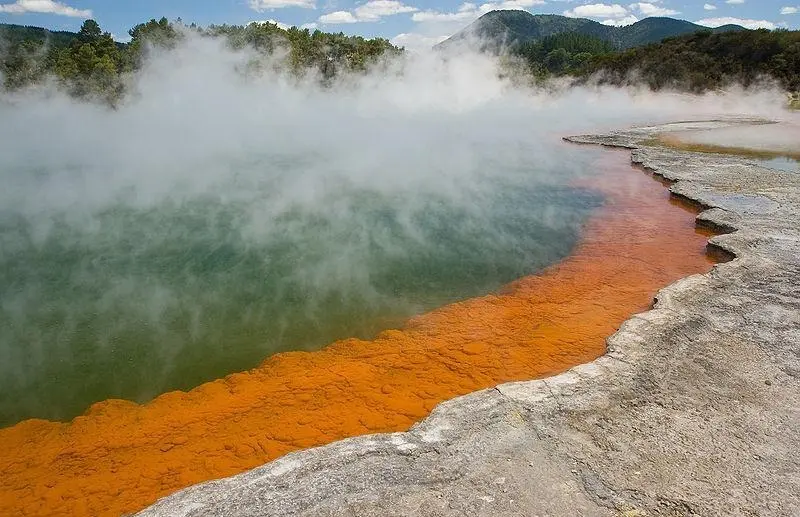
Wai-O-Tapu is Rotorua’s most theatrical geothermal park: fizzing pools, mud cauldrons and a performance-minded geyser. This guide blends a vivid visit with the practicalities—when to arrive, what to wear, and how to pair the park with nearby cultural stops.
Read the story ↗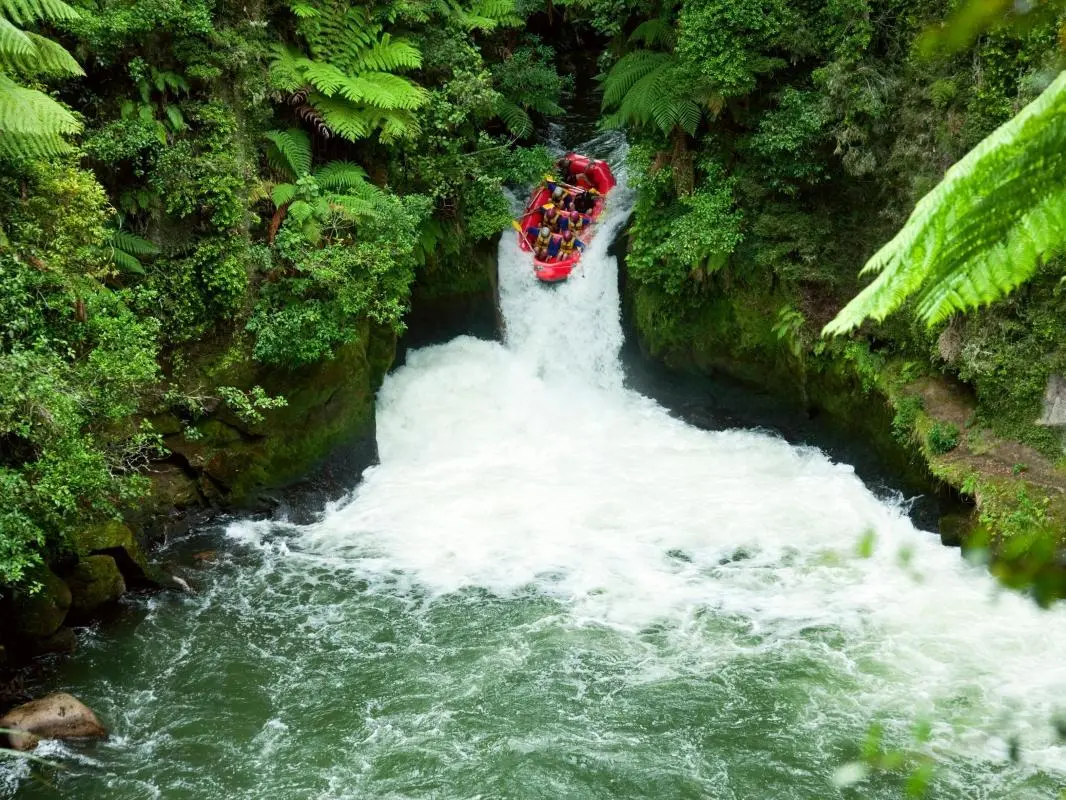
Rotorua · New Zealand
Tackle the world’s highest commercially rafted waterfall, surf playful rapids on a riverboard, or float above it all on a zipline. Kaituna River near Rotorua blends pulse-quickening adventure with deep cultural roots and a gorge lush enough to feel primeval.
Read the story ↗Rotorua · New Zealand
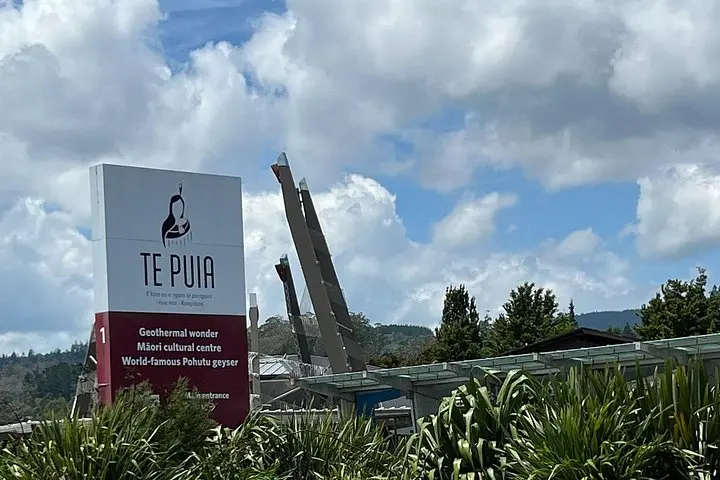
A living laboratory of steam and song: Te Puia blends Pōhutu Geyser’s raw geology with Māori carving, weaving and kiwi conservation. This guide explains how to experience it—what to see, how to plan your day, and tips to get the most from Rotorua’s geothermal heart.
Read the story ↗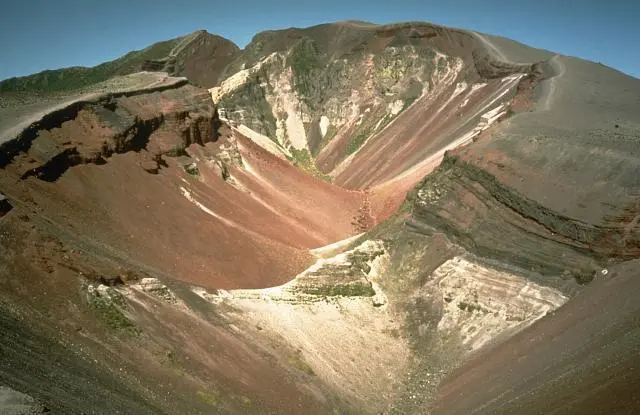
Rotorua · New Zealand
Stand on the rim of a mountain that remembers the 1886 eruption and read the land like a story. Between helicopter landings, floatplane lakeside drop-offs and short crater walks, Mt. Tarawera is a compact but intense volcanic experience that rewards careful planning.
Read the story ↗
Rotorua · New Zealand
Nestled in native bush, Waikite Valley Hot Pools is where Rotorua’s volcanic heat turns into quiet, warm water and restorative pauses — a practical and sensory stop on any geothermal day trip.
Read the story ↗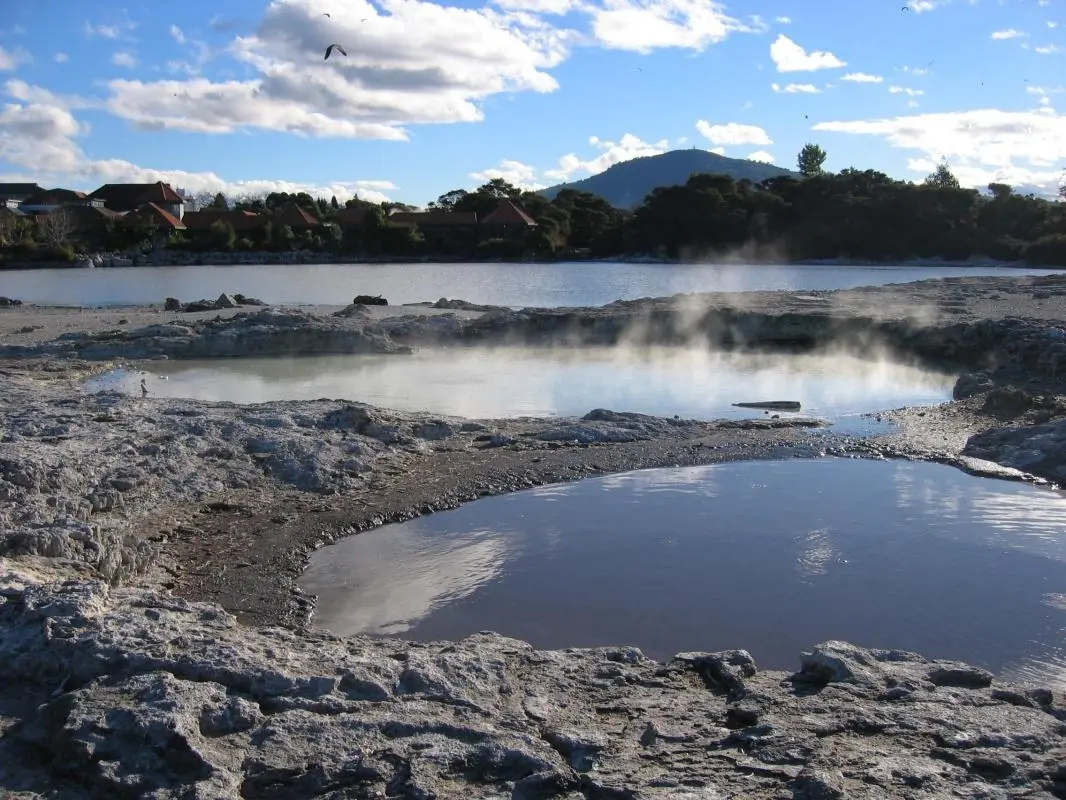
Rotorua · New Zealand
Lake Rotorua is a place of steam and song — geothermal vents puffing like breath, living Māori villages, clear springs and after-dark glow-worm trails. This guide pairs sensory storytelling with practical tips so you can plan a respectful, efficient visit.
Read the story ↗GET TO KNOW THE PLACE
Walk into a place where the earth exhales. At Te Puia the thermal ground huffs and steams near carved meeting houses, and the stories of Te Arawa iwi are as present as the geyser that punctuates the valley. It’s compact, immediate, and ideal for travelers who want cultural depth paired with outdoor activity without long approaches.
Begin by picturing the ground as an active character: steam ridges that curl like breath, siliceous terraces that hold heat long after rain. Te Puia’s geothermal features are the public face of the Taupō volcanic zone; the same underground movement that feeds the geysers also shaped nearby lakes and forest ridgelines. That geology makes for short, accessible trails that reward a modest walk with dramatic close-ups of boiling springs and mud pools. The landscape nudges you close but does it on its own terms—stay on boardwalks and read local signage to respect fragile formations.
Culturally, Te Puia is anchored by living Māori arts. You’ll encounter carvers, weavers, and storytellers who teach through demonstration and welcome practical questions. History and contemporary life sit side by side: iwi stewardship informs conservation and visitor access, and performances or hangi feasts are staged with both ceremony and practical timing for visitors. Plan your visit to include a cultural demonstration if you want context; these sessions add meaning to the geothermal spectacle and help you navigate local customs with confidence.
From a planning standpoint, Te Puia is an excellent day-stack: plan a morning geothermal walk, midday cultural program or workshop, and an afternoon activity like biking in the Redwoods or paddling a nearby lake. Timing matters—steam reads differently in cool mornings and after rain—and access is straightforward from Rotorua township with short drives or local transfers. For multi-day stays, use Te Puia as the cultural/geothermal hub while basing yourself for mountain biking, trout fishing, or longer hikes in surrounding conservation areas.
PLAN YOUR VISIT
October, November, December, January, February, March
Spring through early autumn tends to offer the most stable weather for hiking and biking, while cooler months make steam more dramatic; rain showers are common year-round and forest trails can become slick.
The busiest period is New Zealand summer and school holiday windows (December through February); book cultural tours and accommodation in advance and plan early starts to avoid crowds.
Visiting in shoulder months yields lower rates and quieter sites; be prepared for muddy trails and shorter daylight hours, and choose boardwalk routes over exposed forest singletrack if conditions are wet.
PACK WITH PURPOSE
FIND YOUR PACE
Longer, more technical outings that demand fitness, technical riding/hiking skills, or multi-day logistics.
Accessible experiences for first-time visitors that require minimal technical skill and short walks.
Activities that add aerobic effort or basic technical skills and benefit from local guidance.
BEFORE YOU GO
You can do a self-guided visit on boardwalks and see geothermal features independently, but guided cultural presentations and specialist tours add context and access to demonstrations you won’t get alone.
Yes—boardwalks are designed for public safety, but children should be supervised around steam vents and hot pools; follow signage and stay on marked paths.
Allocate 2–4 hours for a focused visit that includes a geothermal walk and a cultural demonstration; combine with an afternoon activity for a full-day itinerary.
Te Puia is a short drive from town; options include rental car, local shuttle services, or organized transfers—confirm schedules ahead of time during peak season.
Yes—Redwoods mountain biking and lake paddling are nearby and commonly stacked into the same day; plan timing so guided cultural sessions and trail rentals don’t clash.
Switch to short boardwalk routes and indoor cultural activities if rain rolls in, and check trail conditions or trail closures before heading into forest singletrack.