
Chamarel, Mauritius
Ebony Forest Chamarel Love Tree Tour — Plant an Endemic Tree in Mauritius
from $59.21USD
Loading the next place…
Gathering stories, stays, and experiences for you.
VAYCAI · ATTRACTION GUIDE
Ebony Forest Reserve layers native-tree restoration with short hikes, a canopy walk, and viewpoint overlooks — stack a morning forest walk with a visit to the nearby Seven Coloured Earth and an afternoon drive along the west coast. Trails are compact but varied, making it easy to combine conservation-focused activities, waterfall visits, and coastal time in one day.
Explore experiences ↓Your guide to places, experiences, and adventures.
THE GOOD STUFF STARTS HERE
Chamarel, Mauritius

 ◷ 1 hr–3 hr
Chamarel, Mauritius

Chamarel, Mauritius
Listed starting prices may vary by option, travel date and group size. Confirm the final total and availability on Viator. Sponsored links: we may earn a commission from qualifying bookings.
STORIES WORTH GOING FOR
GET TO KNOW THE PLACE
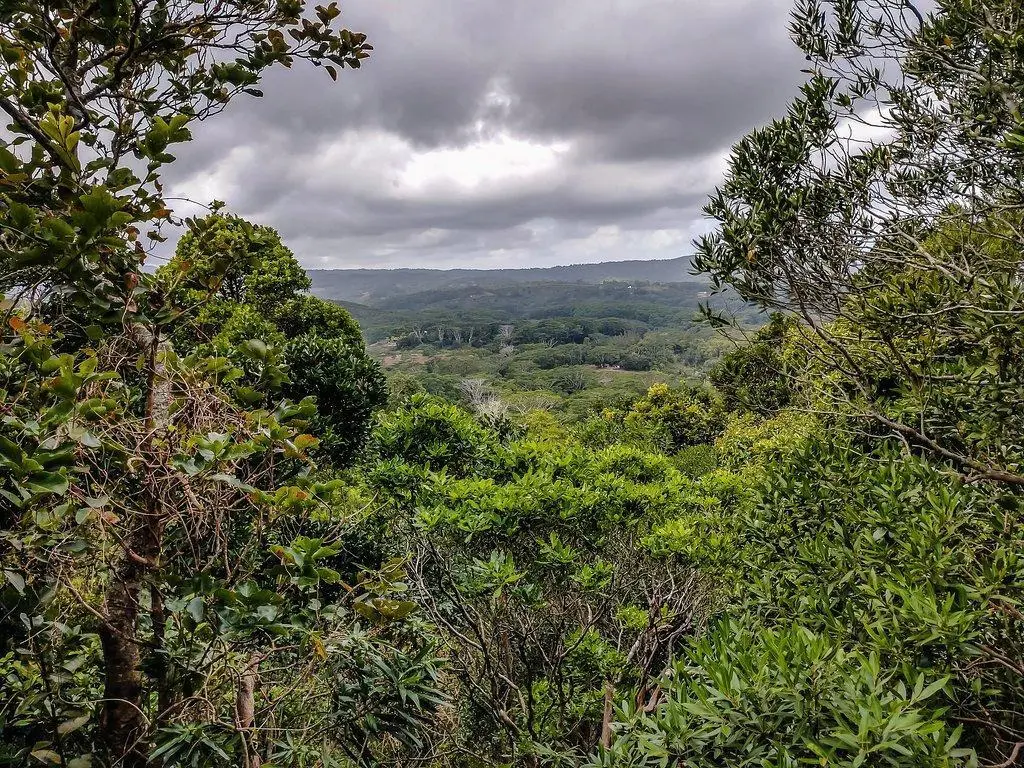
Step into a pocket of regenerated native forest on Mauritius’s southwest flank, where trunks hold stories of recovery and the canopy gives quick, rewarding elevation. The reserve is compact enough for a focused visit yet rich with endemic plants, subtle wildlife, and viewpoints that open onto Chamarel’s colored hills and the western coastline.
The first thing you notice is how the forest moves — wind threading through ebony and indigenous palms as if the trees are tuning their own quiet language. Ebony Forest Reserve is a conservation project turned visitor attraction: trails and boardwalks were designed to protect seedlings while giving people access to this rare native habitat. Geology nearby is dramatic; the nearby Seven Coloured Earth is a reminder that volcanic soils shape more than slopes here. Culturally, Chamarel is a Creole village with simple restaurants and craft stalls, so sandwich a forest visit with local food and a short drive to appreciate both nature and everyday island life.
Practically, the reserve is built for short, meaningful exploration rather than full-day trekking. The canopy walkway is the highlight for most visitors — an easy way to gain a different perspective without committing to technical trails. Mornings are cooler and bird activity is higher, so aim early for clearer light and quieter paths. Access is road-based from coastal resorts on the west side; plan a half-day that pairs a guided conservation interpretation with independent time on the trails. If you want deeper backcountry, link your visit to the larger Black River Gorges for longer hikes and more rugged terrain.
Timing and preparation matter. The southwest can be breezy and tropical downpours will nudge you indoors quickly, so pack a lightweight rain layer and good traction on footwear. Families will find short loops and interpretive signs manageable, while photographers and naturalists will be rewarded by endemic plants, butterflies, and cautious birds. Prioritize the canopy walk and viewpoint early, then use the rest of the day for Chamarel’s geology and a coastal drive; that stacking approach delivers the reserve’s best bits without rushing.
PLAN YOUR VISIT
May, June, July, August, September, October
Mauritius has a tropical climate: the drier, cooler months are generally May through October, offering clearer hiking days and fewer heavy showers; summer months are warmer with more frequent rain and humidity.
The busiest period is during the drier southern winter months and holiday windows; book guided tours and accommodations ahead of time and aim for early starts to avoid midday crowds.
Visiting in shoulder or wet months can mean lower prices and quieter trails, but expect muddy or slippery sections and adjust footwear and route choices accordingly.
PACK WITH PURPOSE
FIND YOUR PACE
Advanced travelers can use the reserve as a gateway to more rugged terrain in the Black River Gorges and technical nearby routes.
Short, well-marked loops and the canopy walk make the reserve ideal for beginners and families.
Intermediate visitors can extend time with longer walks and combine the reserve with nearby viewpoints and waterfall approaches.
BEFORE YOU GO
No, the reserve has marked trails and interpretive signs for self-guided visits, but a guide enhances wildlife spotting and conservation context.
Plan two to four hours to comfortably do the canopy walk, short trails, and a viewpoint; combine with nearby Chamarel attractions for a half-day.
The canopy walk is family-friendly but may involve steps and narrow boardwalks; check specifics with staff if mobility is a concern.
Most travelers reach the reserve by car or arranged transfer from west-coast resorts or Port Louis area; a rental car or booked transfer is the easiest option.
Basic visitor facilities are usually available, but services can be limited; bring essentials and confirm amenities ahead of arrival.
Short tropical downpours are common; carry a lightweight rain shell and consider shifting to a guided interpretation or nearby indoor café until conditions improve.