Loading the next place…
Gathering stories, stays, and experiences for you.
Loading the next place…
Gathering stories, stays, and experiences for you.
VAYCAI · ATTRACTION GUIDE
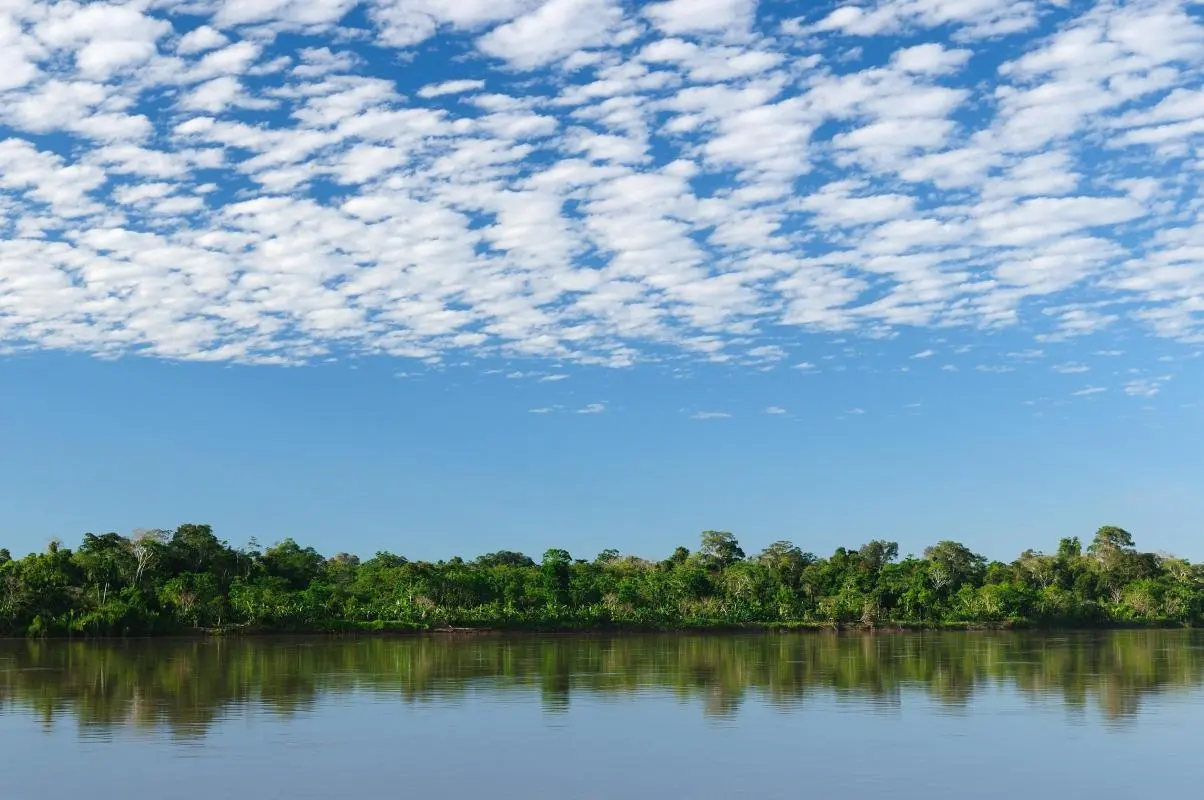
The Nanay River is an accessible finger of the Amazon that stacks canoeing and wildlife watching with short rainforest hikes and lodge stays. From boat transfers out of Iquitos you can combine oxbow-lake paddles, bird-rich sandbars, and village visits for a compact, flexible jungle itinerary that suits both day trips and multi-night adventures.
Explore experiences ↓Your guide to places, experiences, and adventures.
THE GOOD STUFF STARTS HERE


Iquitos, Peru


Listed starting prices may vary by option, travel date and group size. Confirm the final total and availability on Viator. Sponsored links: we may earn a commission from qualifying bookings.
STORIES WORTH GOING FOR

Iquitos · Peru
Board a small vessel at dawn and let the river set the pace: the Peruvian Amazon delivers wildlife up close, village culture, and a range of adventures from luxury cruising to hands-on survival training. This guide maps what to expect—and how to prepare—for a trip that rewards patience and curiosity.
Read the story ↗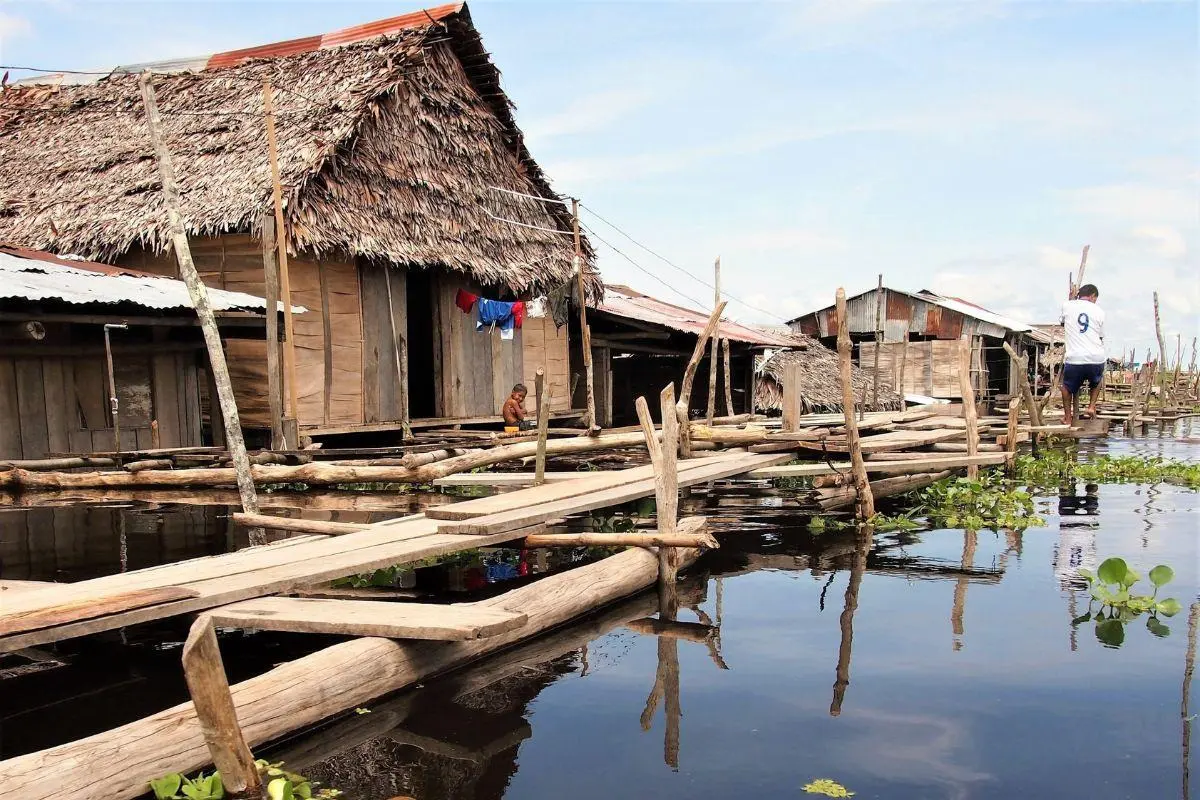
Iquitos · Peru
From the floating villages of Iquitos to the flooded forests of Pacaya Samiria, the Amazon River is best read slowly—by boat, at dawn and dusk, with local guides who know how the river thinks.
Read the story ↗Iquitos · Peru
Just north of Iquitos, the Nanay River offers intimate Amazon encounters: short rainforest walks, village visits, and patient wildlife viewing. Choose a half-day shore tour for a sampler or a full-day private trip to go deeper into river life.
Read the story ↗GET TO KNOW THE PLACE
A few minutes by boat from Iquitos the Nanay shrinks the Amazon into approachable chapters: braided channels, blackwater oxbows, and village riverfronts. The pace is slow but alive—boats nudging through reeds, macaws tearing across the canopy, and the occasional riverbank smoke from a riverside kitchen. It’s ideal for stacking short paddles, lodge stays, and cultural stops into a 2–5 day itinerary.
The Nanay feels intimate compared with the main Amazon; channels narrow, and the trees lean closer. Geologically the area is part of the vast Amazon floodplain—flat lowlands that seasonally invert between forest and lake. That flood rhythm is the region’s organizing force: water dictates access, wildlife concentrations, and daily schedules. Cultural life here orients around the river too. Many communities maintain small-scale fishing, artisanal boatbuilding, and fruit cultivation. Visiting respectfully means accepting river time—boats launch early, midday heat slows activity, and communities often trade fresh fish and produce directly from canoes.
For planning, timing matters. The lower-water months expose sandbars and make short trails and oxbow paddles easier; the high-water season opens flooded-forest routes that reach deeper into canopy waterlogged habitats. Travel is largely by motorized canoe or paddle canoe; most visitors transit from Iquitos by arranged boat transfer or a lodge shuttle. Day trips are simple to organize through local operators; overnight stays require coordinating boat schedules and luggage limits. Lodges range from rustic to comfortable, and many organize guided dawn birding, night-spotting, and short guided hikes—prioritize early departures for wildlife and late afternoons for river light.
Safety and practicalities are straightforward but worth attending to. Insect protection, dry bags, and basic first aid are essentials; guides are experienced with river currents and local wildlife, and a knowledgeable local naturalist transforms a simple paddle into a meaningful wildlife encounter. Respect for river etiquette—keeping noise down near villages, following guidance for wildlife viewing, and avoiding single-person hikes in dense forest—keeps both travelers and communities safe. The Nanay’s appeal is its manageability: you can pair a few days of gentle river adventure with Iquitos’ markets and museums for a full Amazon introduction without committing to a week-long expedition.
PLAN YOUR VISIT
June, July, August, September
The relative dry season typically runs through June to September, lowering water levels and exposing sandbars and short hiking routes; the wet season raises water and opens flooded-forest paddles. Expect hot, humid conditions year-round with daily showers possible.
The busiest period is usually the dry-season months when river access favors walking and exposed beaches; book early for lodges and morning birding departures.
The wet season can offer quieter lodges, dramatic flooded-forest paddling, and fewer tourists, but expect limited trail access and longer boat transfers; plan for muddy approach routes and follow guide recommendations.
PACK WITH PURPOSE
FIND YOUR PACE
Advanced trips push farther into remote channels and integrated Amazon itineraries with longer river days and technical paddling.
Beginner itineraries are gentle, focused on short boat rides, wildlife viewing, and easy lodge-based walks.
Intermediate travelers combine longer paddles, guided jungle walks, and overnight lodge stays to explore more habitat variety.
BEFORE YOU GO
Yes—local guides handle navigation, wildlife spotting, and cultural introductions; guided trips are recommended for safety and context.
Most travelers take a short boat transfer from Iquitos’ riverfront; lodges and operators commonly provide shuttle boats coordinated with arrival times.
Absolutely—many day paddles, lodge stays, and village visits are beginner-friendly; discuss pace and safety needs when booking.
Expect abundant birdlife, monkeys in the canopy, and nocturnal animals such as caiman seen on night boat trips; sightings depend on season and time of day.
Bring insect repellent, confirm routine vaccinations, carry any medications, and consult travel-health guidance for recommended preventative measures before arrival.
Yes—operators can link Nanay excursions into longer river itineraries, but multi-day plans require coordination for boat logistics and lodge availability.