Boracay, Philippines
Boracay Island Hopping: Hot Kawa Bath, Parasailing & Helmet Diving Day Tour
from $125.00USD
VAYCAI · ATTRACTION GUIDE
Crocodile Island is a compact, reef-fringed islet off Boracay that pairs shallow-water snorkeling and short coastal walks with sunrise paddles. Most travelers stack an early-morning snorkel or stand-up paddleboard session with an island-hopping half-day, then relax on nearby beaches. It’s a straightforward half-day adventure best approached with sun protection, reef-aware gear, and a flexible boat schedule.
Explore experiences ↓Your guide to places, experiences, and adventures.
THE GOOD STUFF STARTS HERE
Boracay, Philippines


Boracay, Philippines
Listed starting prices may vary by option, travel date and group size. Confirm the final total and availability on Viator. Sponsored links: we may earn a commission from qualifying bookings.
STORIES WORTH GOING FOR
GET TO KNOW THE PLACE
Wake before the crowds and the northeast wind will be the first thing you notice—gentle and insistent, pushing skiffs toward shallow reefs and clear patches where fish gather. Crocodile Island is small but concentrated: a ring of reef, a few rocky ledges, and enough current to keep the snorkeling honest. It’s a compact water-adventure that plays well as an add-on to Boracay’s beaches and island-hopping circuits.
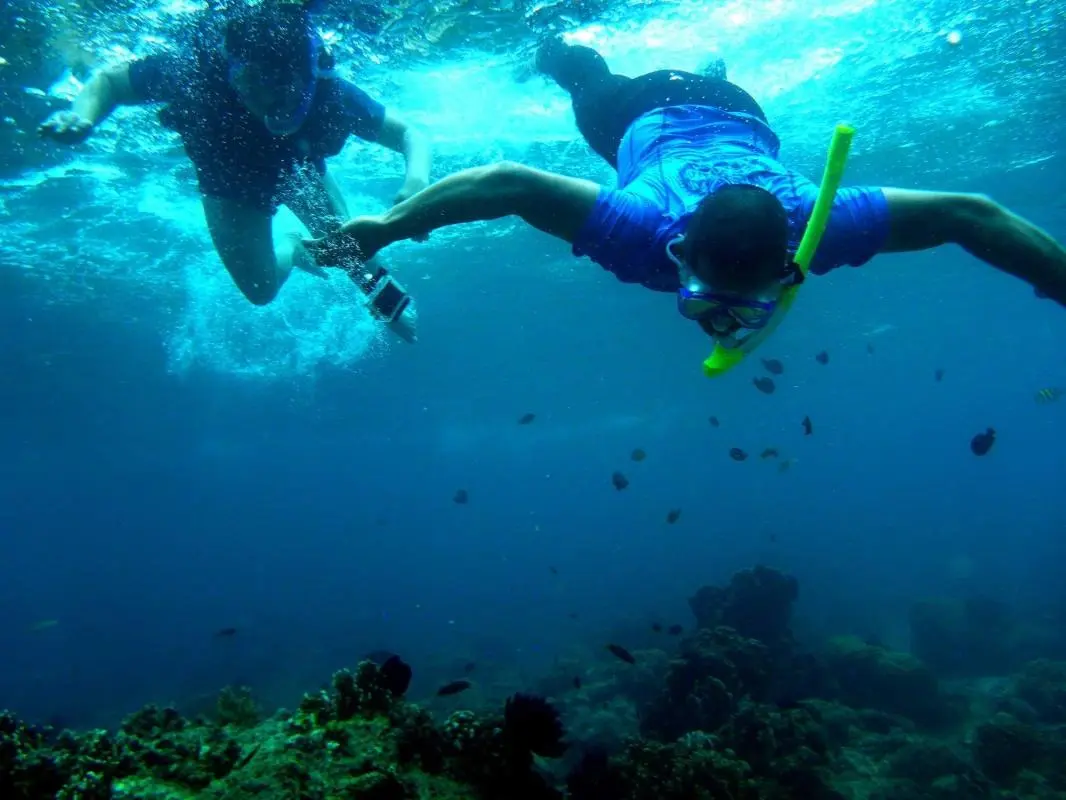
Geology and marine life define the place more than any built feature. The islet rises from coral terraces; waves nudge the reef and silt settles in the lee, making visibility best when the sea is calm and winds are light. Local fish, patches of hard and soft coral, and occasional sea fans are the stars—bring reef-safe sunscreen and modest snorkel skills to get the most from the site. The formation itself is a remnant of carbonate build-up and reef growth that has resisted the same erosion that shaped Boracay’s sandy beaches, so you’ll find more rock and coral than sand underfoot.
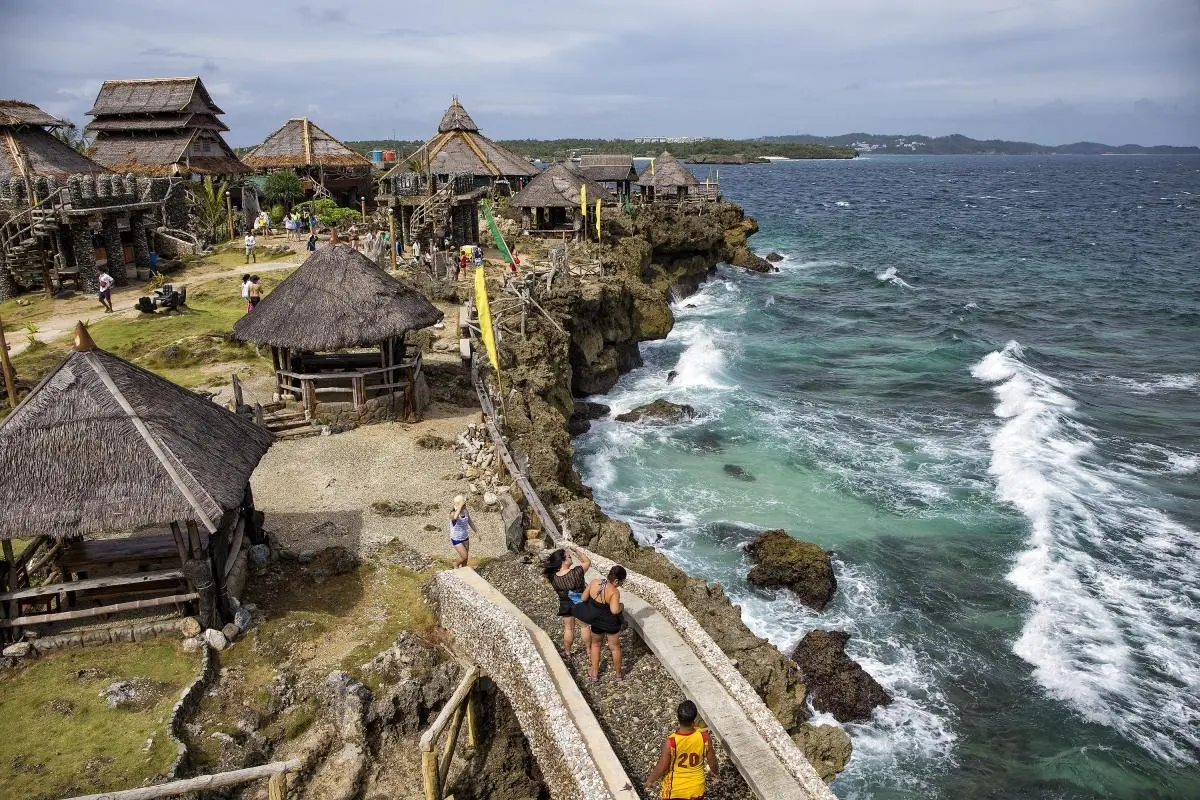
Culturally and logistically, Crocodile Island is serviced from Boracay’s main harbors. Small pump boats and charter skiffs make frequent short crossings; few, if any, permanent facilities exist on the islet, so treat visits as self-contained. Plan for an early start to catch calmer seas and clearer water—midday winds and tour traffic can stir the shallows. If you’re stacking experiences, pair a morning snorkel here with a midday island-hopping lunch, or combine it with a longer scuba dive from nearby operators who run full-day trips around Aklan province.
Practical considerations matter: tides, sea state, and operator schedules will dictate access more than distance. There’s no formal trail network, so expect short, rocky approaches and limited shade. For flexible itineraries, allow a buffer for last-minute boat changes and carry essentials in a dry bag. Prioritize visibility and safety—if the wind comes up or boats are running late, pivot to a sheltered beach or a reef-protected snorkel spot. The payoff is straightforward: busy beaches on Boracay’s main shores contrast with concentrated marine life and cleaner water around the islet when conditions line up.
Get to know the place
PLAN YOUR VISIT
November, December, January, February, March
The dry season runs roughly late fall through early spring, delivering calmer seas and clearer water ideal for snorkeling and paddling; the monsoon months bring more rain and rougher seas that can limit boat access.
Peak travel runs from December through April; expect higher rates and busier harbors, so book boats, lodging, and key experiences well in advance and aim for early departures.
Low season brings fewer crowds and better deals but more variable sea conditions; if you visit in the wet months, be prepared for changed boat schedules and prioritize sheltered snorkel sites.
PACK WITH PURPOSE
FIND YOUR PACE
Suited to experienced water-goers who chase conditions, deeper snorkeling, or private-boat itineraries.
Perfect for water-curious travelers who want easy snorkeling and calm paddles without technical skills required.
For travelers comfortable in open water who want to extend time on the reef or combine multiple islands in a day.
BEFORE YOU GO
Most visitors take a short pump boat or charter from Boracay’s main piers; boat time is brief but schedule depends on your operator and sea state.
A guide isn’t required, but a local operator adds safety, knows the best entry points, and can show marine highlights while helping you avoid sensitive reef areas.
Yes—shallow reef areas are beginner-friendly when seas are calm, but choose mornings for gentler conditions and stay close to the boat if you’re new to snorkeling.
No formal facilities are present; bring water and snacks and plan to return to Boracay for meals and restrooms.
Operators monitor conditions closely; if winds or swell pick up, expect delays or substitutions to more sheltered sites—have a flexible plan.
Observe from a respectful distance, avoid touching coral, and use reef-safe sunscreen; local guides will advise on interactions and safety.