Boracay, Philippines
Boracay Sunset Party Cruise: 4-Hour Yacht with DJ, Snorkeling & Unlimited Drinks
from $70.00USD
VAYCAI · ATTRACTION GUIDE
Yapak Beach, often called Puka Shell Beach, is Boracay’s more rugged shoreline—less crowded sand, abundant shells, and easy coastal walking. Stack this stop with a Bulabog Bay kite-surf session, a Mount Luho viewpoint visit, and a short island-hopping snorkel trip for a balanced day of beachcombing, water time, and light hiking.
Explore experiences ↓Your guide to places, experiences, and adventures.
Nearby experiences in Boracay. Check each itinerary for a visit to Yapak Beach (Puka Shell Beach).
THE GOOD STUFF STARTS HERE
Boracay, Philippines

Boracay, Philippines

Boracay, Philippines


Boracay, Philippines

Boracay, Philippines

Boracay, Philippines

Boracay, Philippines


Boracay, Philippines



Boracay, Philippines

Boracay, Philippines

Boracay, Philippines
Listed starting prices may vary by option, travel date and group size. Confirm the final total and availability on Viator. Sponsored links: we may earn a commission from qualifying bookings.
STORIES WORTH GOING FOR
GET TO KNOW THE PLACE
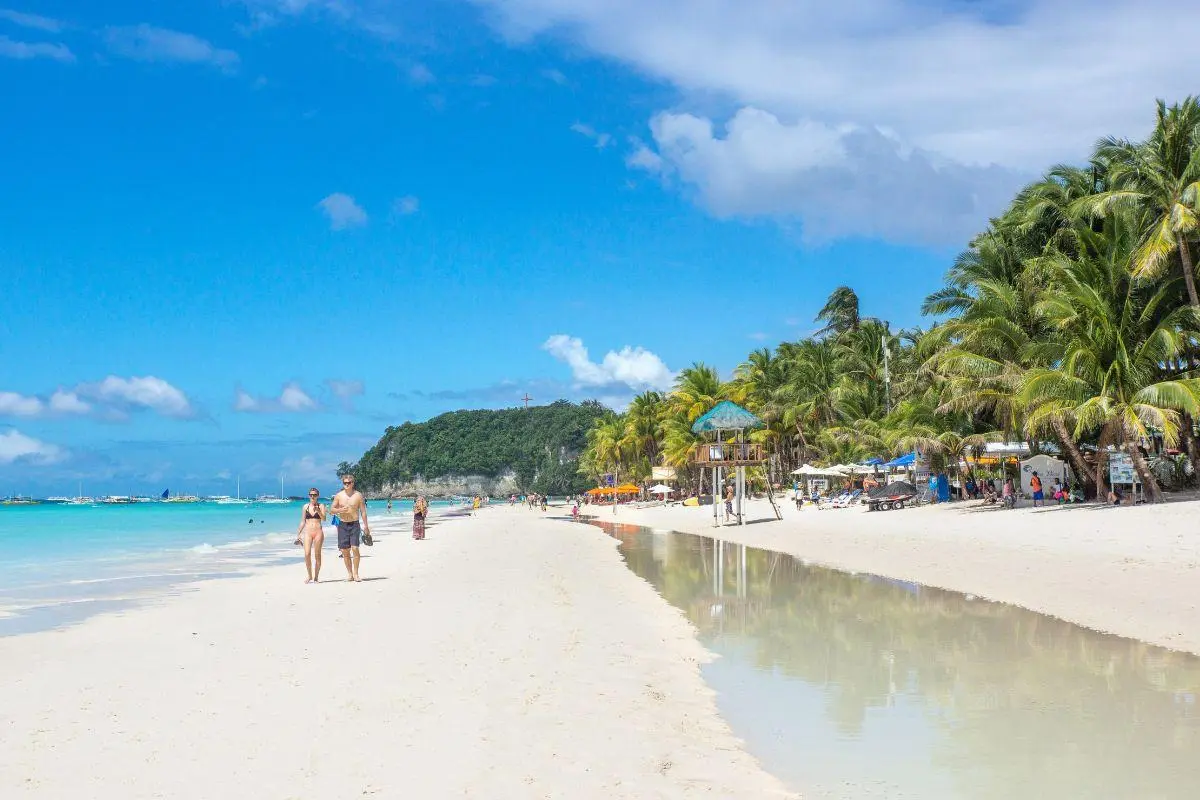
Walk onto Yapak and you leave the busy White Beach scene behind: shells crunch underfoot, wind pushes the surf forward with a purposeful breath, and the shoreline opens into small coves that invite exploration. It’s a place for layering short activities—beachcombing at sunrise, a snorkel in the morning, then a quick viewpoint climb—so you can stack active water time with low-effort exploration.
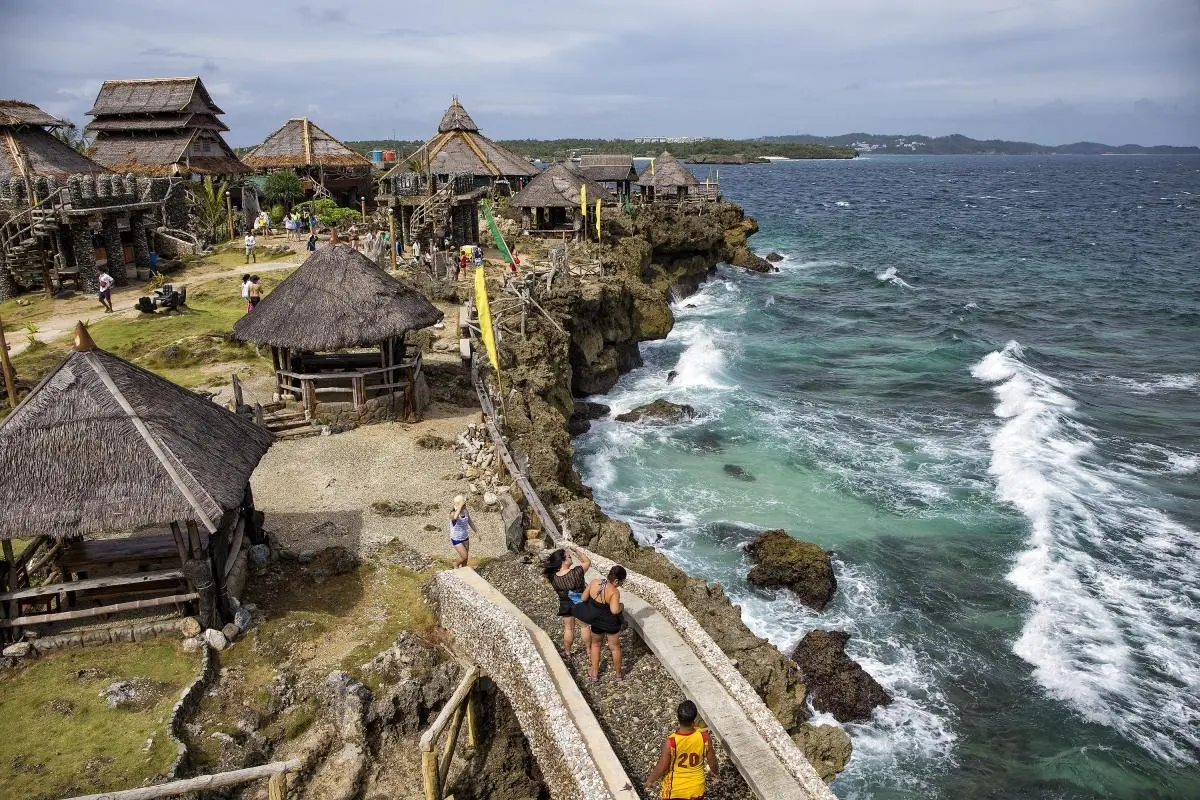
Yapak Beach sits on Boracay’s northern stretch where the island’s volcanic and coral origins are obvious in the sand and nearby rock outcrops. The beach earned the local nickname “Puka Shell Beach” because of the abundant shell fragments left by wave action; the shells are small but plentiful and reward slow, attentive walking. The coast here doesn’t compete with the postcard flatness of White Beach; instead it offers texture, quieter pockets, and direct edges where reef and sand trade places. Culture is present but unhurried: small vendors, fisherfolk tending gear, and occasional local families picnicking remind you this is island life, not a theme park. Time your visit for early morning light or late afternoon for cooler temperatures and fewer people, and plan short blocks—two- to four-hour windows that let you mix a skill-based water sport or guided snorkel with idle beach time.
Getting there is straightforward from Boracay’s central hubs: a short tricycle ride or a walk from the island’s main roads will put you at the sand. The approach is modest—no paved promenades or sprawling resorts dominate Yapak—so infrastructure is simple and flexible. For planning, pack a dry bag and reef-safe sunscreen, check local tide patterns if you intend to snorkel, and bring cash for small vendors. If you want to add adrenaline, Bulabog Bay is a short ride away for wind-driven sports and certified lessons; if you prefer views, the Mount Luho overlook is a ten- to twenty-minute ride and a brief climb. The practical rhythm here favors a layered day: active water segment, shore exploration, and a viewpoint or meal to close.
Ecosystem-wise, respect is essential. Tidal currents can nudge inexperienced swimmers; reefs are alive and deserve distance from fins and feet. Vendors and small operators provide local insight—book lessons with established schools and ask about reef-safe practices. Because the shoreline is less manicured than tourist centers, trail etiquette matters: tread lightly on dunes, avoid removing shells in quantities that damage the habitat, and carry out any trash. These simple choices keep Yapak an inviting place for both travelers and the islanders who live from and with the sea.
Get to know the place
PLAN YOUR VISIT
November, December, January, February, March, April
The dry season (roughly November to April) brings calmer seas and clearer skies suited to snorkeling and paddle sports; the monsoon season brings heavier rains and rougher surf that can limit some water activities.
Peak travel typically occurs in December through March, so book lodging and popular lessons early and plan early-morning starts to avoid crowds and heat.
From May to October you can find better deals and fewer visitors; expect occasional heavy rains and stronger currents, so prioritize shore walks and check conditions before entering the water.
PACK WITH PURPOSE
FIND YOUR PACE
Advanced participants can pursue wind sports, freediving, or extended self-supported sea routes that require skill and local knowledge.
Beginner travelers can enjoy relaxed beachcombing, easy shoreline swims, and short, guided water sessions without advanced skills.
Intermediate adventurers can build on basics with longer paddle outings, more confident snorkeling, and combined land-water half-day trips.
BEFORE YOU GO
Most visitors take a short tricycle or taxi from central nodes on Boracay; travel time is typically under 30 minutes depending on your starting point and traffic on island roads.
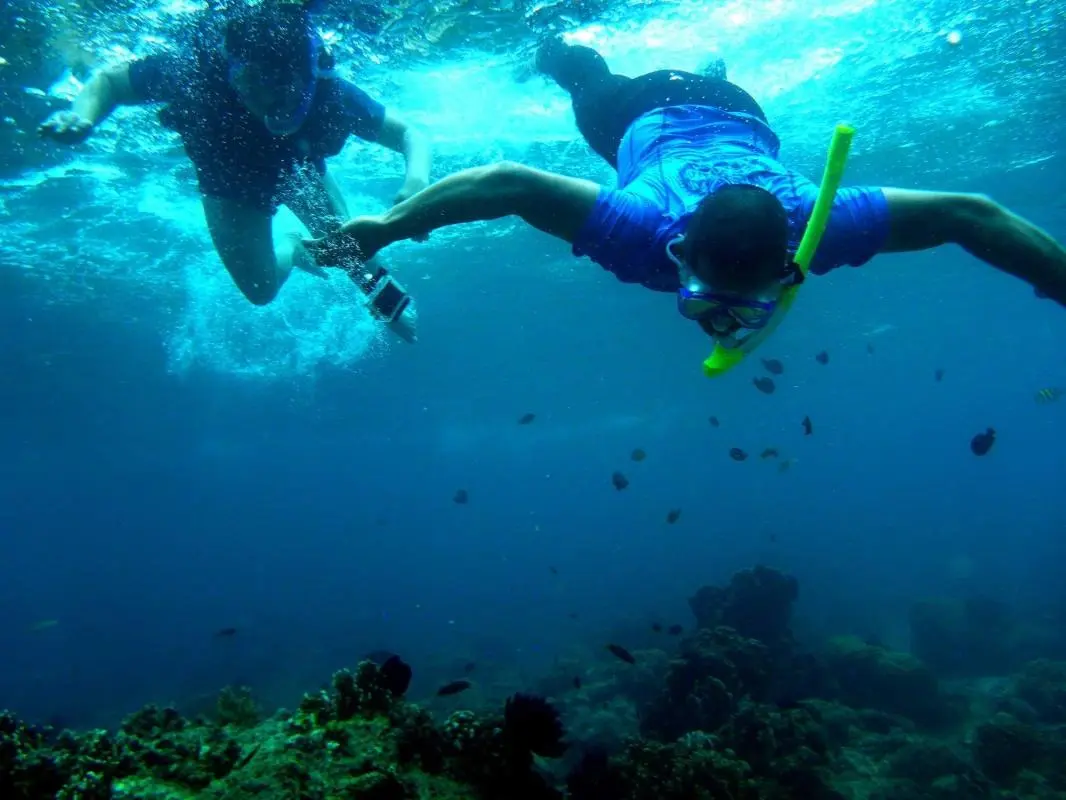
Yes—there are quieter coves and nearby reef patches suitable for snorkeling; visibility varies with tide and weather, so check conditions and consider a local guide for the best spots.
Yes. Bulabog Bay, a short ride away, is the island’s kitesurfing hub; plan a morning snorkel or shell walk at Yapak and an afternoon lesson in Bulabog when winds typically pick up.
Expect small local vendors and simple eateries along the shore; for a wider range of restaurants and services, return toward Boracay’s central areas.
Yapak offers calm stretches suitable for families, but always watch children around changing tides and reef edges; pick shallow coves and avoid strong-surf days.
You can explore the beach independently, but a local guide or operator is recommended for snorkeling, reef navigation, and learning about responsible shell collecting.