 ◷ 19 hr
Loading the next place…
Gathering stories, stays, and experiences for you.
Loading the next place…
Gathering stories, stays, and experiences for you.
VAYCAI · ATTRACTION GUIDE
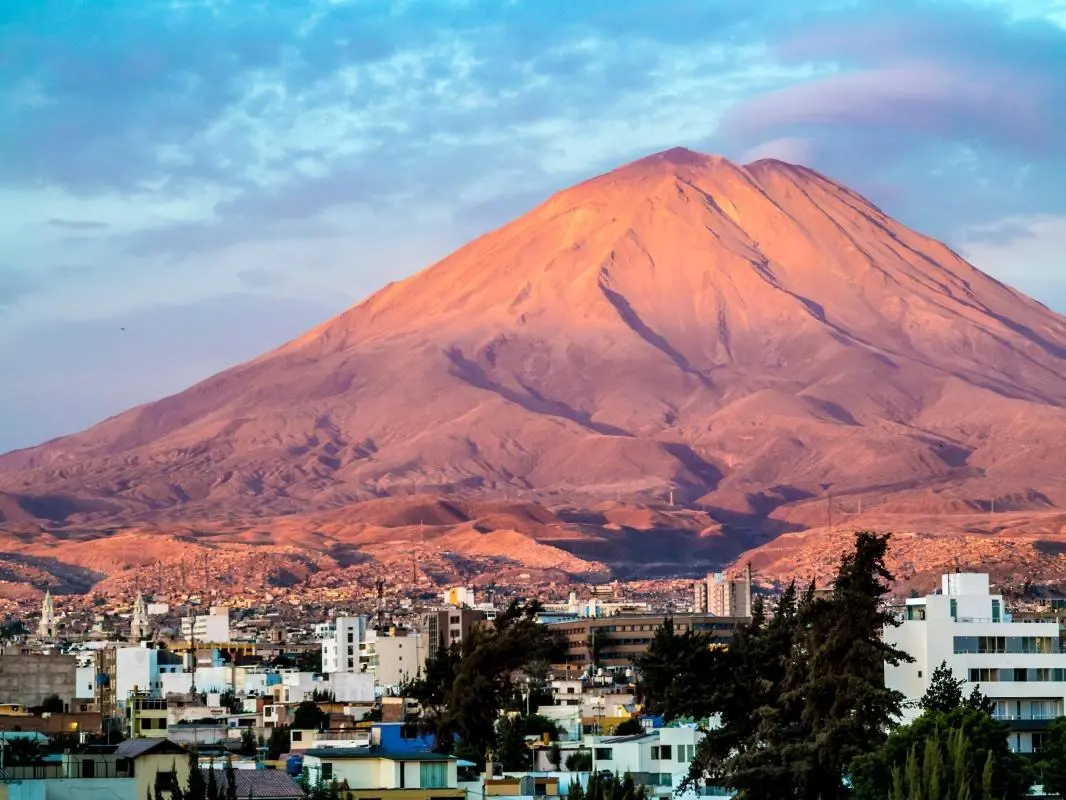
Chachani sits as a high, craggy sentinel above Arequipa, offering stacked adventures: acclimatization walks, high-altitude day treks and panoramic drives. Travelers often pair a city stay with a day on volcanic slopes, plus optional overnight approaches for summit-minded visitors. Expect stark volcanic terrain, strong light, and rapid temperature swings—stack layers, a local guide, and an early start for the best conditions.
Explore experiences ↓Your guide to places, experiences, and adventures.
THE GOOD STUFF STARTS HERE
◷ 19 hr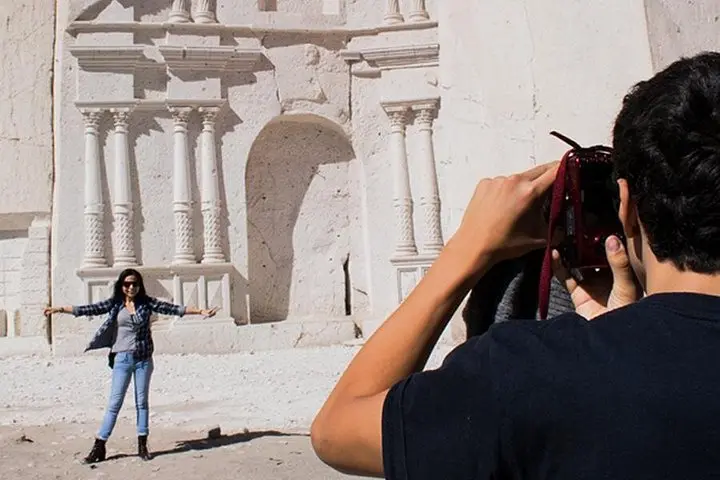
Arequipa, Peru


Arequipa, Peru

Arequipa, Peru
 ◷ 48 hr
Arequipa, Peru

Listed starting prices may vary by option, travel date and group size. Confirm the final total and availability on Viator. Sponsored links: we may earn a commission from qualifying bookings.
STORIES WORTH GOING FOR
Arequipa · Peru
Chachani rises above Arequipa like a patient watchman—broad, glaciated, and within reach for determined trekkers. Whether you take a paced 2-day climb or a full-day summit push, the massif offers rare access to true high-altitude alpine terrain and sweeping Andean panoramas.
Read the story ↗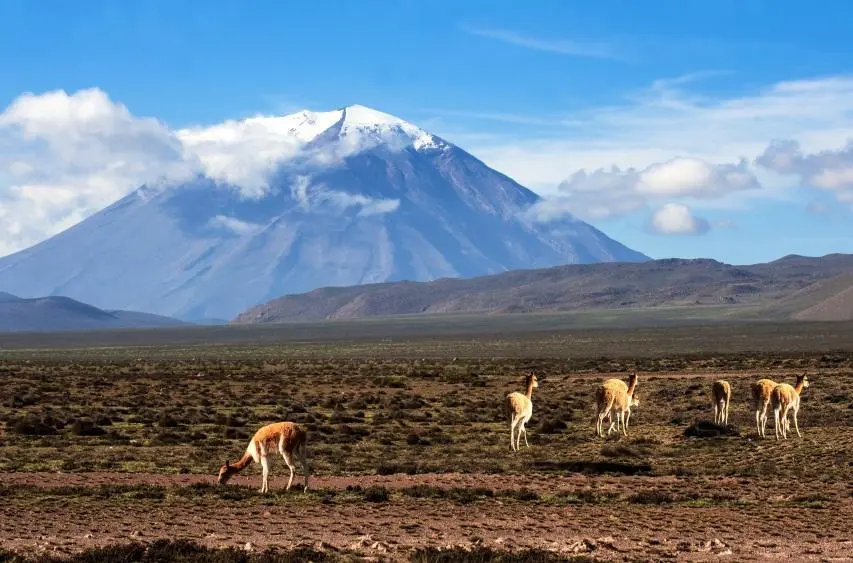
Arequipa · Peru
El Misti’s perfect cone dominates Arequipa, but the climb is less about technical ropes and more about altitude, ash and steady pacing. This guide blends route facts, cultural context and practical tips so you can plan a safe, memorable ascent or choose a nearby alternative adventure.
Read the story ↗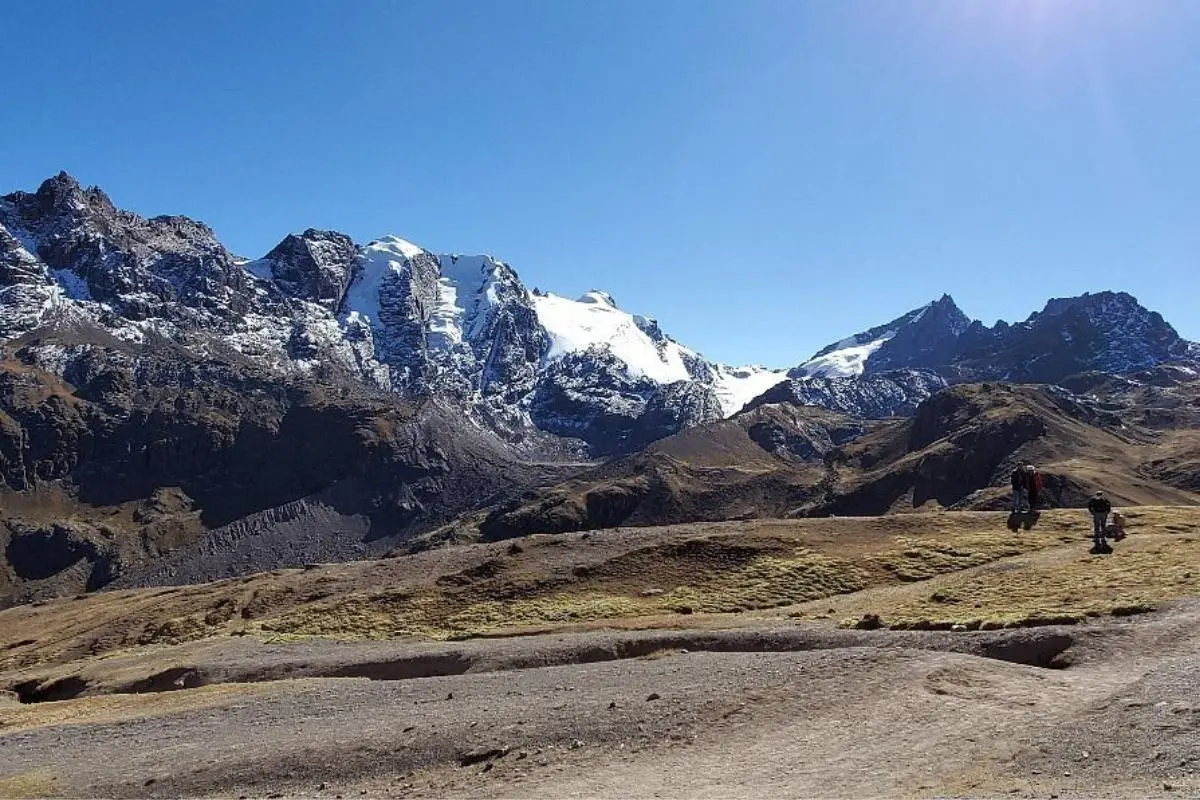
Arequipa · Peru
Pichu Pichu is the serrated neighbor of Arequipa, a volcanic ridgeline that rewards riders and trekkers with dramatic views, high-Andean wildlife, and varied terrain. From mellow cross-country loops to technical downhill tracks and quad routes, the mountain fits a range of appetites while demanding respect for altitude and fragile puna ecosystems.
Read the story ↗GET TO KNOW THE PLACE
Stand on Chachani and the city of Arequipa unfurls below like a white patchwork, while the ridgelines hold wind and sky. The volcano’s slopes are volcanic pumice, scree and scrub; the air here is thin and bright, and every ridge seems to invite a step higher. For travelers seeking altitude views, cultural contrast, and straightforward mountain days, Chachani is a practical, rewarding objective close to town.
Chachani is a volcanic complex that reads like a geology primer: ancient lava flows, layered domes and jagged summits carved by wind and cold. From the lower slopes, pasture and dry puna give way to fields of volcanic gravel; higher up the ground turns pale and reflective, and snow patches can collect in sheltered hollows. Morning light reveals the stratified face of the volcano and sets the city of Arequipa in relief. The ridgelines hold gusts and sculpted clouds, and the volcano itself seemingly negotiates with the weather—sometimes generous with calm mornings, sometimes indifferent and windy by noon.
Practical access is straightforward from Arequipa, where most itineraries start the same way: acclimatize in town for a day or two, then transfer by 4x4 to the base roads that climb into Socabaya and nearby valleys. Routes vary from short, firm day hikes that stay below the most exposed sections to multi-day approaches that position you for a summit push. Altitude is the unglamorous governor here—schedule acclimatization, carry layers and let daylight rhythms dictate your plan. Local guides provide route knowledge, vehicle logistics and high-altitude pacing; check access conditions and arrange a guide if you intend to go above the simple day-trek elevations.
Chachani is also cultural context for Arequipa: the city’s colonial plazas, volcanic-stone architecture and food scenes make for a rounded trip when paired with the mountain. Plan to stack experiences—morning on the slopes, afternoon in a museum or market, evening sampling cocinar arequipeña—so travel time turns into variety rather than fatigue. Photography, birdwatching and short mountain-bike rides on the lower flanks all fit into the same window of altitude-aware activity. Above all, time your climbs for stable mornings, respect fragile puna vegetation, and leave space in your schedule for weather that can change as fast as the wind.
PLAN YOUR VISIT
May, June, July, August, September
The high-Andean dry season within these months typically offers the most stable mornings for hiking, with afternoons prone to gusts and occasional cloud build-up. Summer months can bring afternoon convection and sudden showers.
Peak visitation occurs during the southern hemisphere winter months and regional holiday periods, when clearer skies and holiday travel increase demand; book guides and lodging in advance and start early to avoid afternoon winds.
Visiting outside peak months can mean lower prices and quieter trails, but expect greater chance of afternoon storms, muddier lower slopes and occasionally limited vehicle access; choose routes known to drain well and be prepared for wet conditions.
PACK WITH PURPOSE
FIND YOUR PACE
Advanced travelers look to summit pushes, multi-day technical approaches in winter conditions, and unsupported high-altitude traverses.
Beginner visitors can enjoy low-altitude volcanic walks and scenic drives that showcase Chachani's presence without pushing into high, exposed terrain.
Intermediate adventurers can tackle longer day hikes and higher approach routes that require endurance, good footwear, and basic altitude awareness.
BEFORE YOU GO
Guides are not strictly required for lower day hikes, but they are strongly recommended for higher summit attempts for navigation, pacing, and altitude safety.
Plan a full day: early pickup from Arequipa, transfer to the trailhead, 4–8 hours of hiking depending on route, and return to town by evening.
Altitude is significant; acclimatize in Arequipa for 24–48 hours, hydrate, avoid heavy exertion on arrival day, and recognize symptoms of AMS with a conservative turnaround plan.
Most travelers use organized transfers or private 4x4s to reach higher access roads; taxis handle lower access but may not reach the base of common approaches.
Most classic routes are non-technical but include loose scree and possible snowfields; crampons or ice axe are only needed in winter or after heavy snowfall—check conditions.
Pivot to lower-angle ridgeline walks, scenic drives around Socabaya, or cultural visits in Arequipa; always have a plan to descend early if winds or clouds build.