
Loading the next place…
Gathering stories, stays, and experiences for you.
Loading the next place…
Gathering stories, stays, and experiences for you.

VAYCAI · ATTRACTION GUIDE
The Natural Pool (Conchi) near Oranjestad pairs a short, rocky trek with a dramatic ocean-formed basin perfect for a cooling dip and coastal photography. Stack this visit with a full-day east-coast excursion—off-road drives, short hikes through Arikok National Park, and lookout stops—to make the most of Aruba’s wind-swept shoreline.
Explore experiences ↓Your guide to places, experiences, and adventures.
THE GOOD STUFF STARTS HERE


Arikok National Park, Aruba
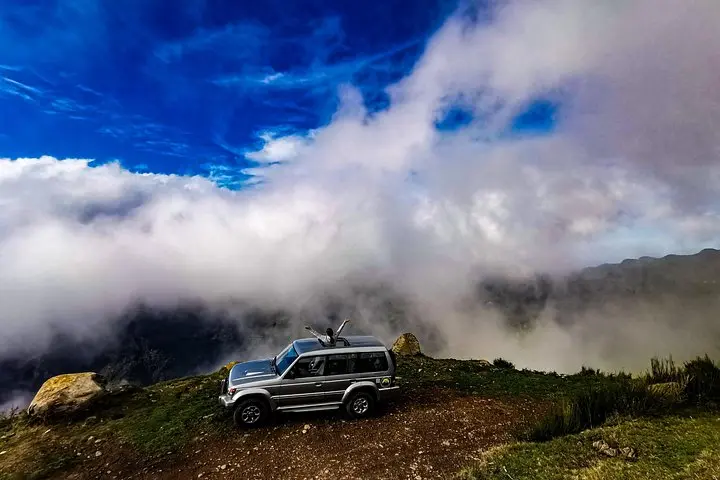

Santo Domingo, Dominican Republic

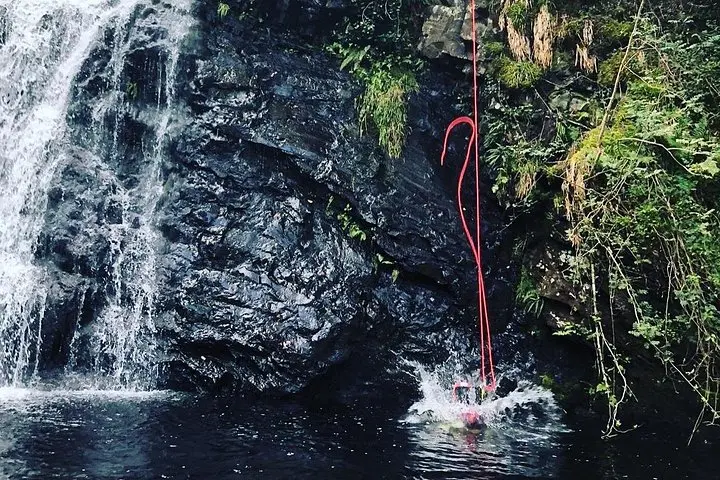
Betws-y-Coed, United Kingdom

Kralendijk, Netherlands

Venecia, Colombia

Medellín, Colombia
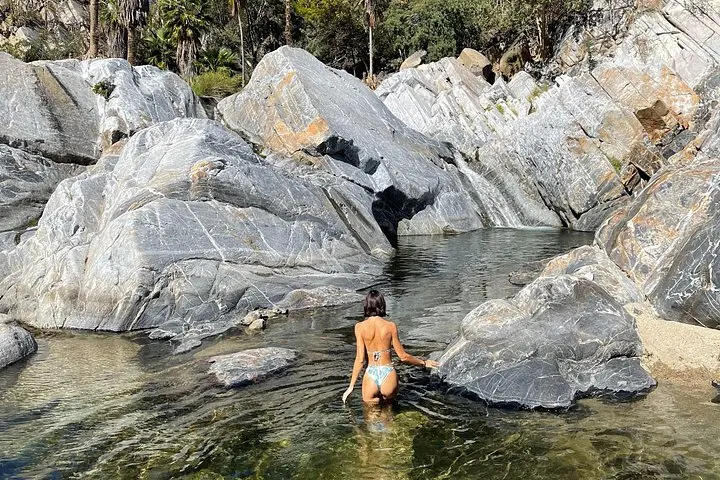
Cabo San Lucas, Mexico
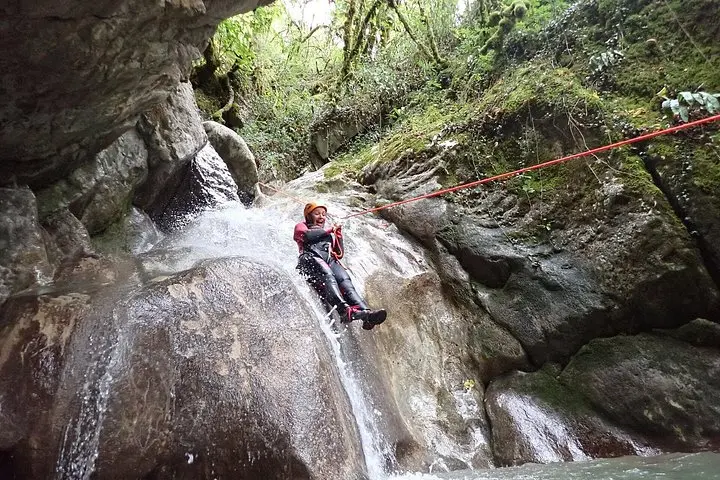
La Rivière, France
Listed starting prices may vary by option, travel date and group size. Confirm the final total and availability on Viator. Sponsored links: we may earn a commission from qualifying bookings.
STORIES WORTH GOING FOR
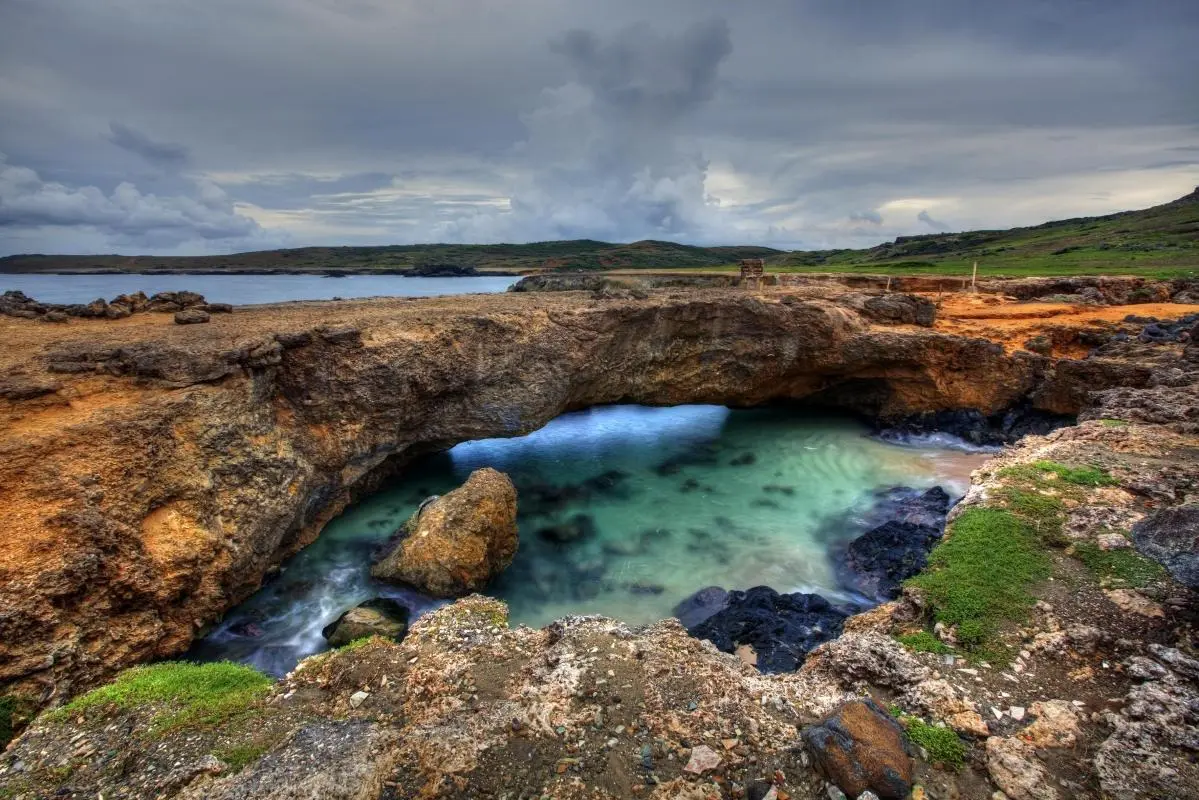
Oranjestad · Aruba
A short coastal walk with outsized drama: Aruba’s Natural Bridge offers close-up lessons in marine erosion, a taste of island history and effortless photo ops. Combine a quick stop with a jeep or bus tour to stitch the best of Aruba into a single adventurous day.
Read the story ↗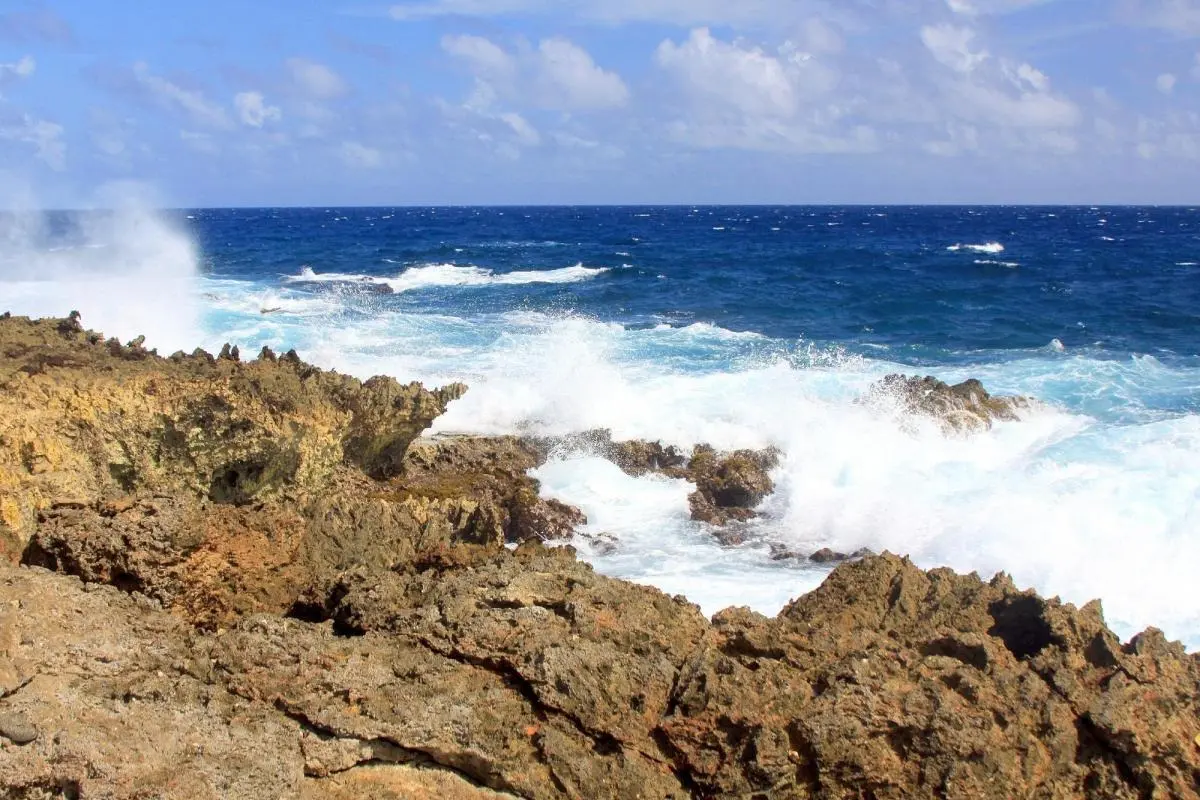
Oranjestad · Aruba
Andicuri Beach is Aruba’s wind-sculpted, dramatic north shore—best explored by jeep, UTV, or e‑bike. Expect powerful surf, raw geology, and off-road routes that connect the island’s most cinematic coastal stops.
Read the story ↗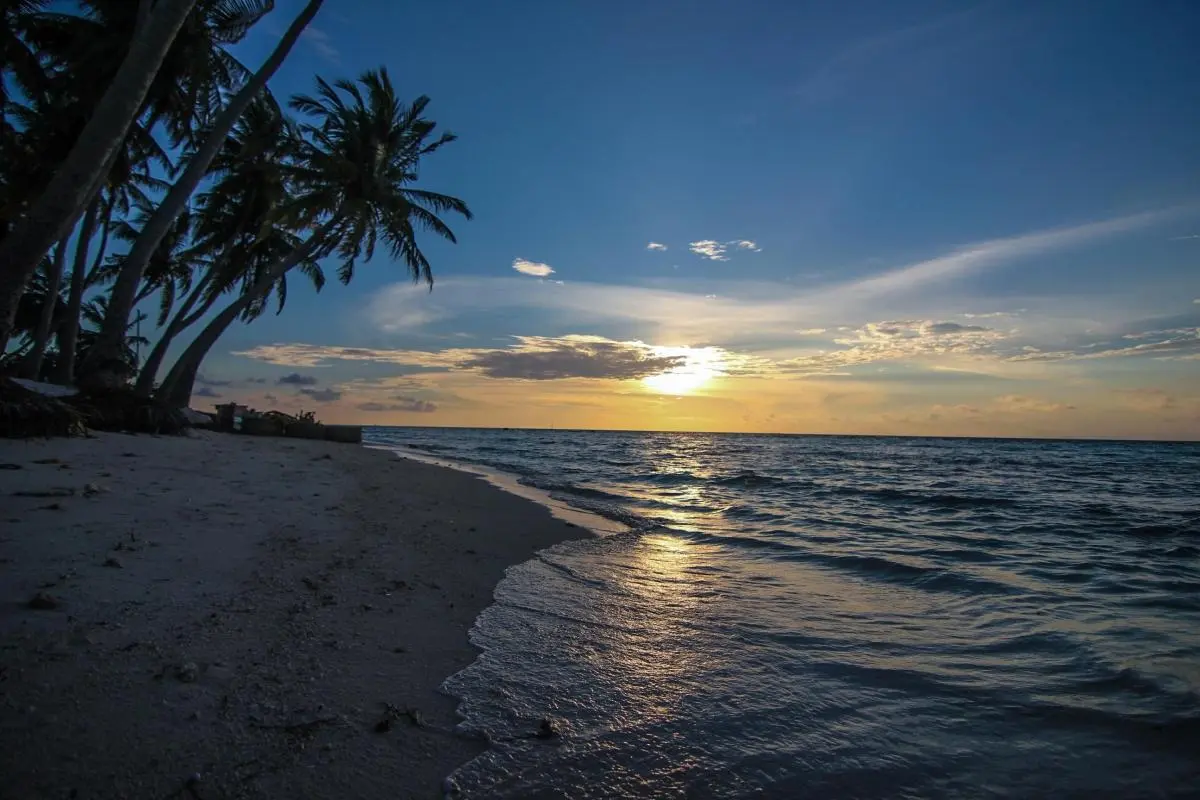
Oranjestad · Aruba
A shallow, wildlife-rich reef off Aruba’s northwest coast, Boca Catalina is a favorite snorkeling stop for charters and catamarans. Calm water, easy access, and vibrant marine life make it ideal for both novices and seasoned snorkelers.
Read the story ↗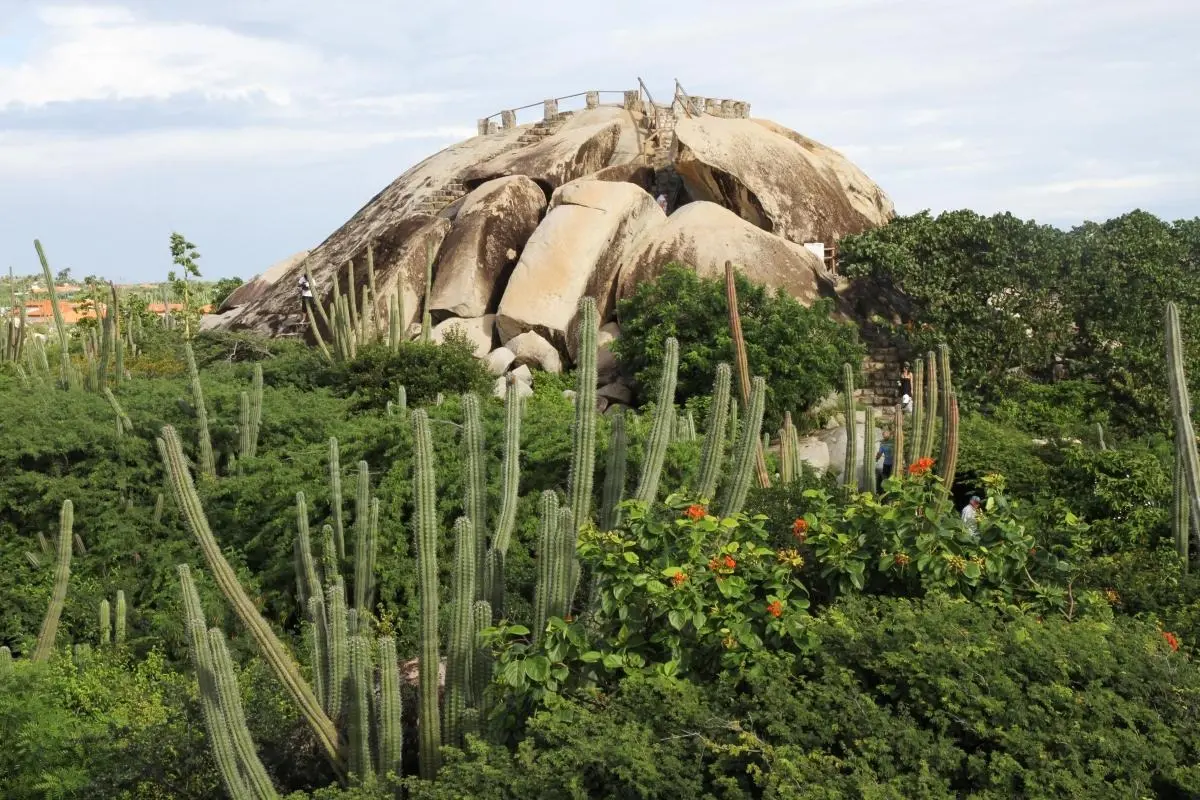
Oranjestad · Aruba
Ayo and Casibari are Aruba’s compact boulder playgrounds—rounded igneous masses that invite short scrambles, clear island views, and a quiet connection to the island’s geological and cultural past.
Read the story ↗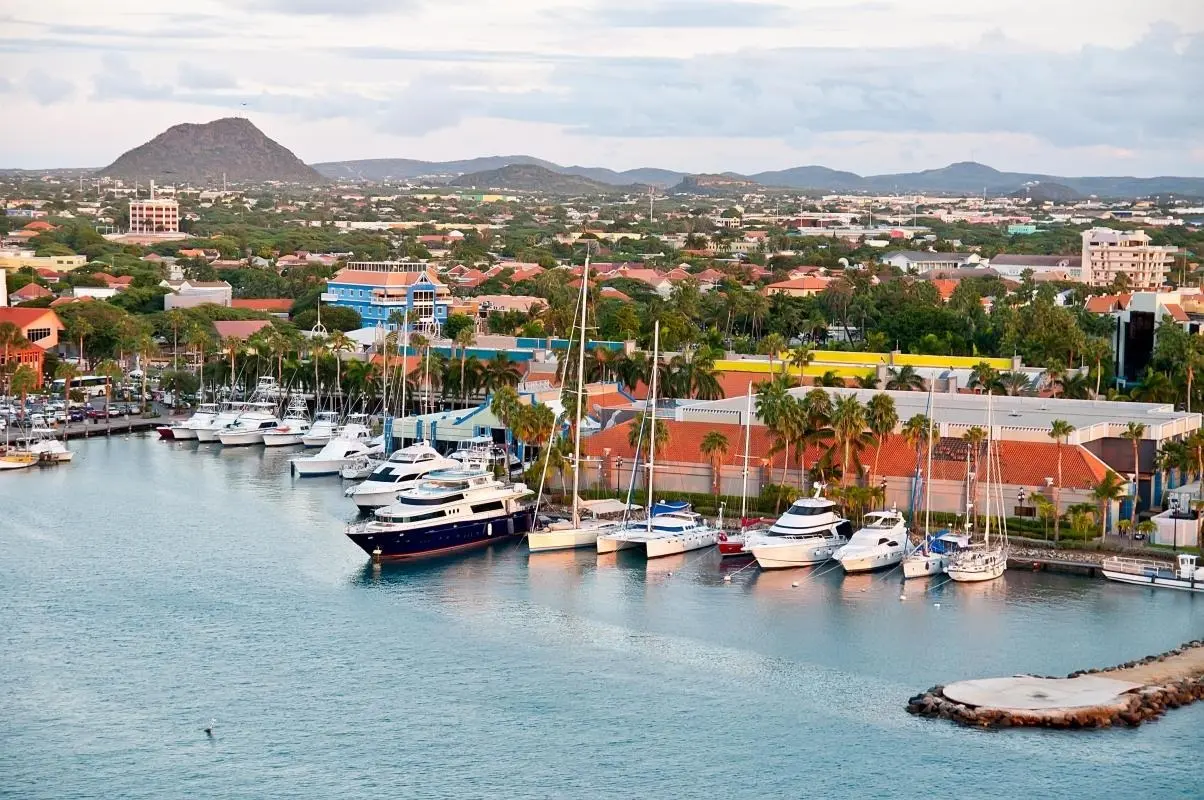
Oranjestad · Aruba
Oranjestad’s cruise port is more than a drop‑off point — it’s the launchpad for horseback rides along the north shore, 4x4 safaris into Arikok, and crystal‑clear snorkel stops at Conchi and Baby Beach. This guide lays out how to turn a ship-side stop into a full‑spectrum island day.
Read the story ↗Oranjestad · Aruba
Conchi, Aruba’s Natural Pool, is a raw, rock-carved oasis in Arikok National Park—best reached by jeep or sunrise hike. Swim sheltered waters, explore nearby caves, and pair the visit with Baby Beach or Dos Playa for a complete island day.
Read the story ↗GET TO KNOW THE PLACE
The Natural Pool, locally known as Conchi, is a small, sheltered basin carved by waves into the volcanic coastline—a sudden, calm pocket of seawater where the Atlantic rolls in but the current softens. It’s both a destination and a moment on a broader east-coast exploration: short, physical access meets dramatic marine scenery.
You arrive by a weathered track that pushes inland from the shore, a drive that feels deliberately unruly and reminds you why this stretch remains wild. The final approach is on foot: rocky ledges, low scrub, and wind-twisted cacti negotiate the slope down to the pool. Nature here has a hands-on personality—the ocean both invites and tests you, nudging through narrow channels while the surrounding rocks hold the basin steady. Expect jagged stone underfoot and spray that can glitter like salt-dusted confetti when the sun hits it.
Geology and history are visible at once. The basin is the product of relentless Atlantic surf meeting Aruba’s ancient volcanic and limestone layers; over time waves carved a sheltered hollow that now reads as a small, natural amphitheater. Indigenous Arawak people and later Spanish and Dutch visitors used these coastal inlets for shelter and fishing, and today the site sits within Arikok National Park, which preserves both ecological niches and scattered archaeological sites. Local guides will point out features and explain how tides and wind determine when the pool is safest for a swim.
Plan for conditions, not just the photo. The walk is short but uneven—good traction and moderate mobility matter. Midday light is dramatic for photographs, while early morning and late afternoon offer calmer seas and fewer people. On blustery days the pool can be rough; check local advisories or go with a guide who reads the tide and swell. Combine the Natural Pool with other east-coast stops—rocky overlooks, hidden coves, and a picnic on the headland—to make a full outing out of what might otherwise be a single stop.
PLAN YOUR VISIT
December, January, February, March, April
Aruba has a warm, dry climate with steady trade winds; the windiest months are typically winter into spring, and brief tropical showers are most likely late summer into autumn. Conditions at the Natural Pool are sensitive to swell and wind, which affect safety and swimming quality.
Peak visitor season runs from December through April; popular times mean earlier starts, booked guides, and fuller parking at trailheads—book ahead and arrive early to avoid the busiest windows.
Visiting in shoulder months can mean fewer people and lower rates; however, be mindful of slightly higher chance of brief rain and increased surf that can make the pool rough—check conditions and choose more sheltered routes if needed.
PACK WITH PURPOSE
FIND YOUR PACE
Advanced visitors can seek exposed approaches, tide-aware swims, and remote photography sessions timed with surf and light.
Beginner travelers can enjoy short walks, scenic viewpoints, and a gentle dip when conditions are calm.
Intermediate adventurers will appreciate uneven terrain, basic scrambling, and combining the pool with snorkeling or longer coastal walks.
BEFORE YOU GO
You can reach the Natural Pool independently if you have a sturdy vehicle and comfort on rocky trails, but many travelers opt for a guide or 4x4 tour for easier access, local knowledge, and safety around tides.
Children can enjoy the pool when conditions are calm, but they should be supervised closely; entry and exit points are rocky, and waves can swell unexpectedly—consider a guide and life vests for added safety.
Budget two to four hours including drive or guided transfer, the walk in, time at the pool, and nearby viewpoint stops; half-day itineraries work well when combined with other east-coast sites.
If surf or swell is high, postpone swimming and enjoy photography from the ledges; local guides will advise when entry is unsafe—never attempt entry through large breaking waves.
Yes, many travelers visit in a rental vehicle with a higher-clearance or 4x4 option; check park access rules and parking, and be prepared for uneven surfaces on the final approach.
Facilities are minimal—bring water, snacks, and sun protection; restrooms and food options are available back toward Oranjestad or near larger park trailheads.