Maasai Mara National Reserve, Kenya
Masai Mara 3-Day Luxury Tented Safari: Rift Valley Drives & Big Five Game Drives
from $1,209.00USD
Loading the next place…
Gathering stories, stays, and experiences for you.
VAYCAI · DESTINATION GUIDE
The Maasai Mara stitches classic safari game drives, early-morning ballooning, and walking safaris that layer wildlife viewing with cultural visits to local Maasai communities. Stack full-day drives with conservancy walking experiences and an overnight in a tented camp to maximize sightings and vary pace between adrenaline and quiet observation.
Explore experiences ↓Your guide to places, experiences, and adventures.
THE GOOD STUFF STARTS HERE
Maasai Mara National Reserve, Kenya

Masai Mara National Reserve, Kenya

Masai Mara, Kenya
Maasai Mara, Kenya

Maasai Mara National Reserve, Kenya


Nairobi, Kenya

Masai Mara National Reserve, Kenya

Maasai Mara, Kenya

Nairobi, Kenya

Narok, Kenya
Listed starting prices may vary by option, travel date and group size. Confirm the final total and availability on Viator. Sponsored links: we may earn a commission from qualifying bookings.
GET TO KNOW THE PLACE
Tall grass and wide sky give the Mara its pace: mornings begin with the rumble of life heating up and afternoons stretch slow under an unguarded sun. It’s a place where game drives, walking safaris, and cultural encounters stack easily into multi-day rhythms for curious travelers.
The Mara sits on the southern edge of the Serengeti ecosystem, its plains cut by seasonal rivers and rimmed by escarpment. Geologically modest but ecologically profound, the reserve’s open grasslands and riverine woodlands support dense populations of antelope, large carnivores, and hundreds of bird species. Human history is woven into the landscape: Maasai pastoralists have navigated these plains for generations, and many conservancies now work with local communities to manage grazing and tourism in tandem. When the dry season tightens, the land seems to hold its breath—game concentrates around water, and sightings can be relentless. During the green season the grasses rise and the Mara’s personality shifts; animals disperse, tracks soften, and the rhythm of a day changes with the weather.
Practical planning matters here. The reserve is accessible by a scenic drive from Nairobi or by frequent light aircraft that land at local airstrips; operators often combine both to reduce transit time. A typical travel day stacks an early drive or balloon, a mid-morning break at camp for rest, and a glassy late-afternoon game drive. Choose morning-focused days if you prize predator activity; pick longer private drives if you want extended sighting windows for photography. Walking safaris are usually offered on neighboring conservancies where close-range wildlife etiquette and trained guides reduce risk; these walks accent small details—tracks, birds, and botanicals—that a vehicle obscures. Lodging ranges from rustic tented camps to upscale lodges. Reserve key dates well in advance during busy months to secure preferred camps and guide availability.
Weather and logistics are straightforward but variable. Rain can make tracks heavy and reduce access to more remote sectors, so carry mud-aware footwear and waterproof layers. Park rules limit where you can drive and when, so a good guide keeps you legal and in the animals’ best light. Respect local customs during community visits, and remember that most experiences are seasonal—so plan with flexibility. The Mara rewards a layered approach: mix short drives and longer excursions, add a balloon flight or conservancy walk, and let wildlife sightings shape the day rather than packing an overly rigid schedule.
PLAN YOUR VISIT
July, August, September, October, January, February
The Mara has distinct dry and wet rhythms; dry months offer concentrated wildlife around water sources while the green season brings fresh vegetation and calving but can make roads muddy. Temperatures are coolest at dawn and dusk.
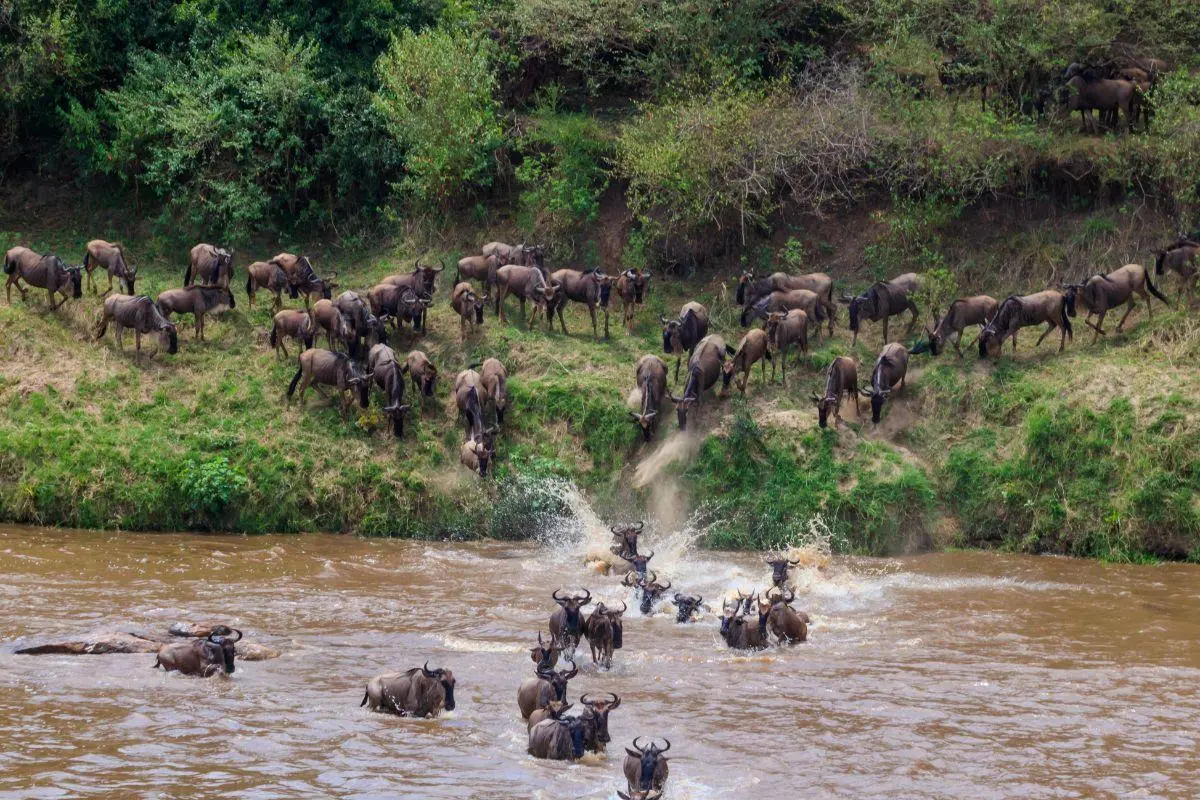
The busiest period is during the dry months when large migrations and river crossings are most visible; expect higher demand for camps and guided experiences and plan to book accommodations and balloon rides well in advance.
During the wetter months you’ll find lower rates, lusher landscapes, and excellent birding and calving sightings; be prepared for muddy tracks and occasional access limits, and choose conservancies or lodges with robust access plans.
PACK WITH PURPOSE
FIND YOUR PACE
Advanced travelers pursue extended photographic safaris, multi-day conservancy exploration, and customized fieldwork-style experiences.
Beginner travelers can enjoy relaxed game drives and cultural visits with minimal physical demand and high wildlife payoff.
Intermediate visitors combine full-day drives and early starts with guided walking safaris and photographic sessions requiring moderate fitness.
BEFORE YOU GO
Independent self-driving inside the reserve is not recommended; most visitors use knowledgeable local guides who understand animal behavior, park rules, and where access is allowed.
Yes—when you follow guidance from experienced guides, maintain distance from wildlife, and supervise children during drives and walks; lodges and guides prioritize safety protocols.
A minimum of three nights gives you multiple game-drive windows and a better chance of varied sightings; five to seven nights lets you stagger activities and include conservancy walks or a balloon flight.
Most travelers choose a short regional flight to local airstrips or a scenic road transfer; flights cut transit time, while drives allow for stopovers and landscape views—your agent can coordinate both.
Balloon flights and walking safaris are offered by licensed operators and typically take place in specified areas or conservancies; availability depends on weather and local permissions, so book early.
Health advice varies—consult your doctor for routine and recommended vaccines and discuss malaria prevention; travel clinics provide the most current guidance.