 ◷ 6 hr
Loading the next place…
Gathering stories, stays, and experiences for you.
Loading the next place…
Gathering stories, stays, and experiences for you.
VAYCAI · ATTRACTION GUIDE
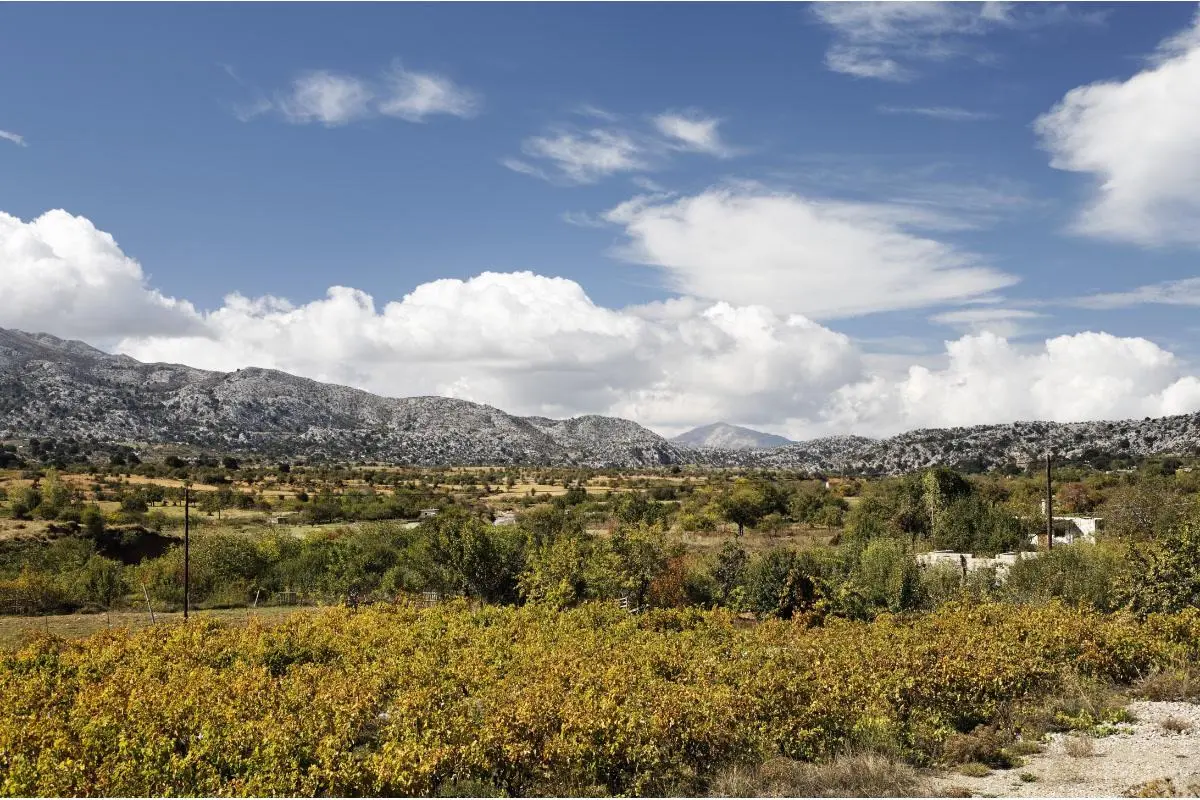
Katharo Plateau rewards travelers who trade the coast for open sky: a high, limestone steppe threaded with shepherd paths, gullied streams and sudden ridgeline views. Stack long day hikes with scenic drives through the Dikti range, pair mornings on the plateau with afternoons exploring coastal Agios Nikolaos, and use the plateau as a base for stargazing and mountain biking on rough, quiet tracks.
Explore experiences ↓Your guide to places, experiences, and adventures.
THE GOOD STUFF STARTS HERE
◷ 6 hr
Agios Nikolaos, Greece
Agios Nikolaos, Greece

Agios Nikolaos, Greece

Agios Nikolaos, Greece
Listed starting prices may vary by option, travel date and group size. Confirm the final total and availability on Viator. Sponsored links: we may earn a commission from qualifying bookings.
STORIES WORTH GOING FOR
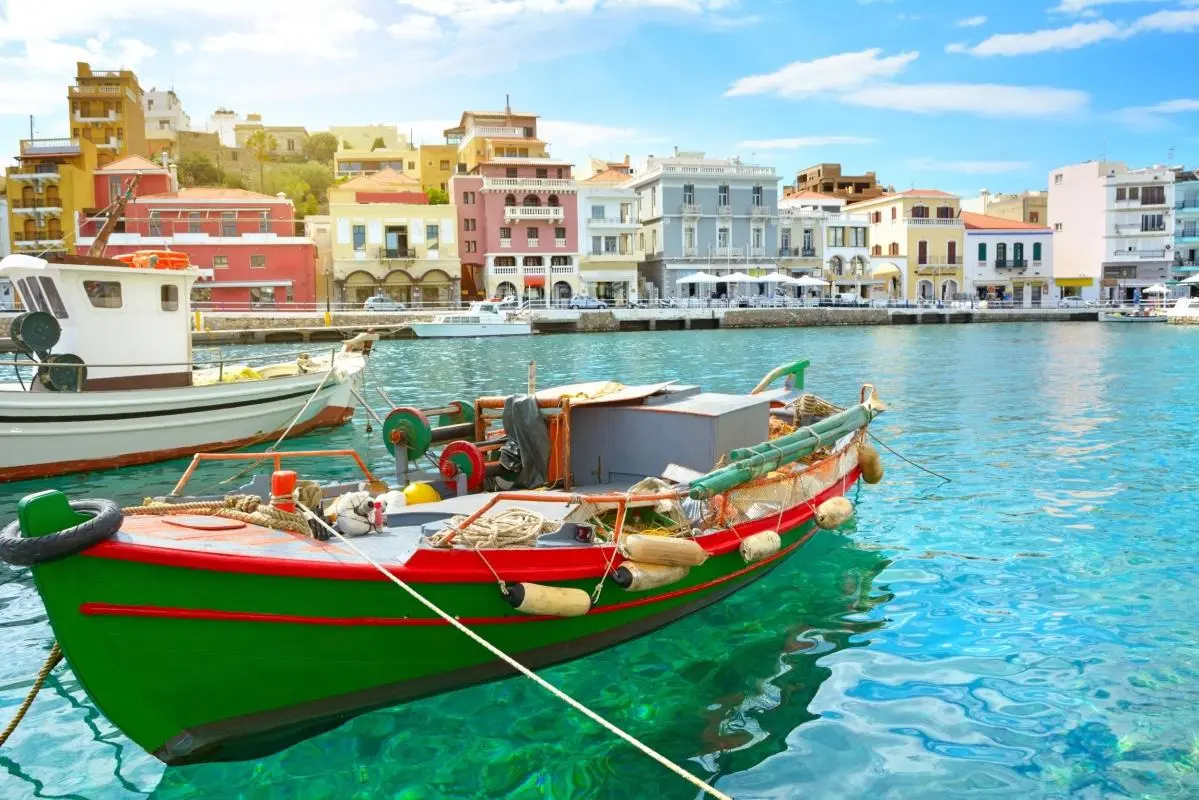
Agios Nikolaos · Greece
A compact, do-able day trip from Mirabello Bay: cross azure water to Spinalonga’s Venetian ramparts, explore a 20th-century leper colony, and return to Agios Nikolaos for seafood and slow café life.
Read the story ↗Agios Nikolaos · Greece
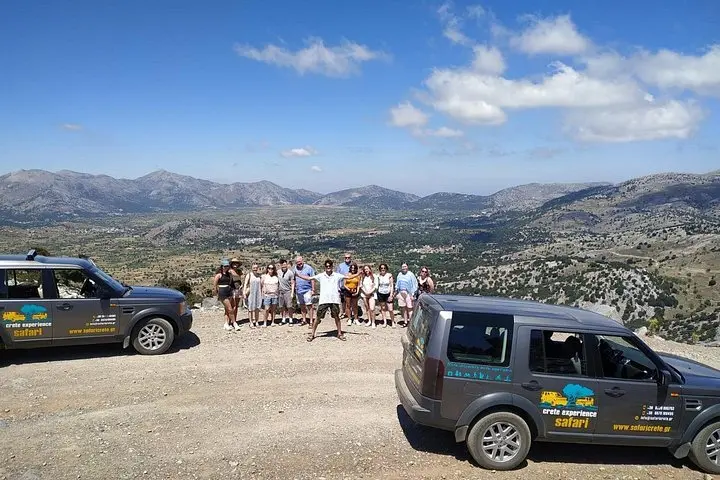
At about 1,250 meters, Katharo Plateau is Crete’s austere high plain—less visited than Lassithi, it rewards slow exploration, 4x4 safaris, village stops, and hands-on pottery and olive-oil experiences.
Read the story ↗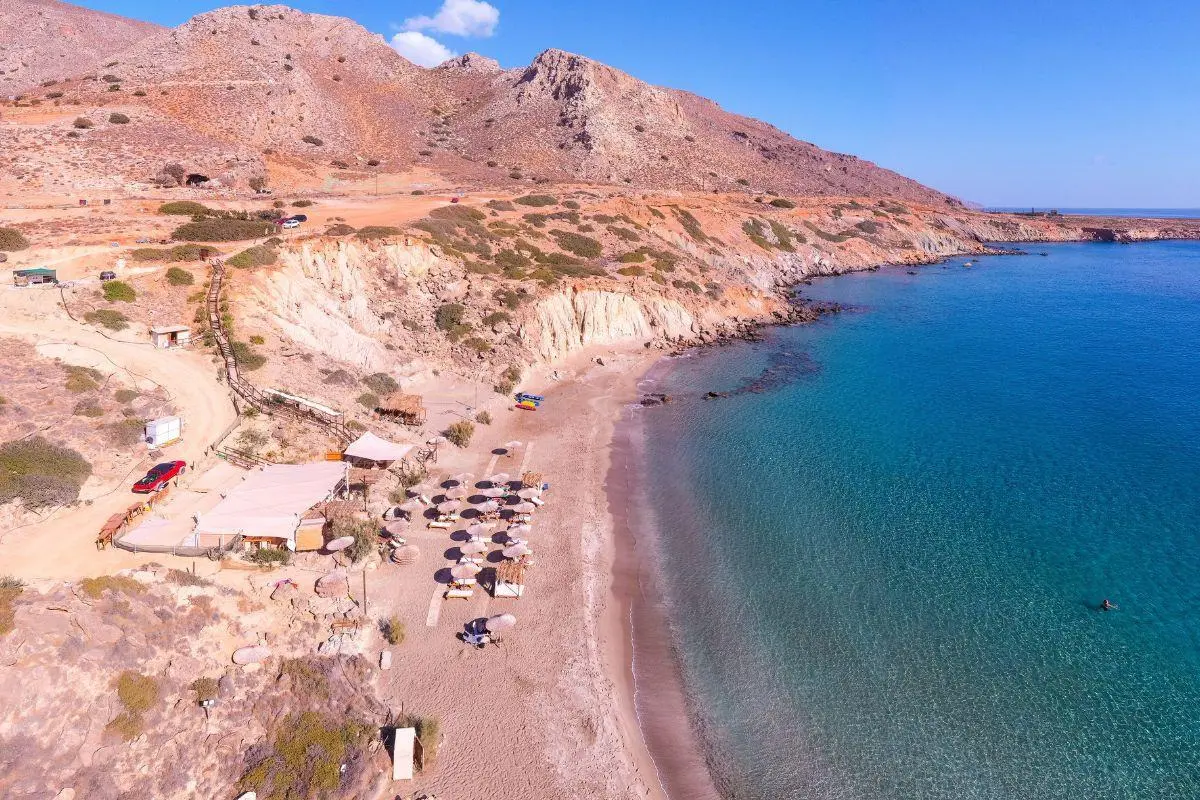
Agios Nikolaos · Greece
A private yacht off Agios Nikolaos turns Ammoudi Beach into a layered adventure—swim crystalline coves, try local fishing, and eat homemade Cretan food while the coast tells its geological and cultural stories.
Read the story ↗GET TO KNOW THE PLACE
Step onto Katharo and the noise of the coast drifts away; wind and light set the pace here. The plateau is a working landscape—sheep, seasonal huts and old shepherd routes stitched into limestone—so the experience mixes accessible hiking with cultural texture. Timing, footwear and a sense for rough tracks matter more than guidebooks; a short drive from Agios Nikolaos makes the plateau easy to reach for a day trip or a quieter overnight stay.
The plateau sits high in the Dikti range, carved into slabs of limestone and volcanic deposits that tell Crete’s geological story in exposed rock and sudden gullies. In spring the ground freckles with thyme and cyclamen; by late summer the steppe turns ochre and the wind becomes the dominant voice, nudging clouds across ridgelines. Human history is visible in stone terraces and shepherd huts rather than ruins—this is pastoral Crete, where routes follow water and grazing patterns more than declared trails. That makes navigation part of the appeal: you read cairns, follow faint tracks and rely on map contours and local sense to stitch a route together.
Practical access is straightforward from Agios Nikolaos or the Lasithi plain, but expect narrow, unpaved roads near the plateau rim. Plan for variable conditions—snow can linger in winter, and summer heat is strong on exposed ground—so morning starts are routine. Hikes vary from easy walks between shepherd huts to longer ridge outings; mountain bikers should expect rough, rocky tracks and occasional push sections. Because facilities are limited, pack water and a basic repair kit, and consider hiring a local driver or guide if you want a relaxed exploration without navigation stress.
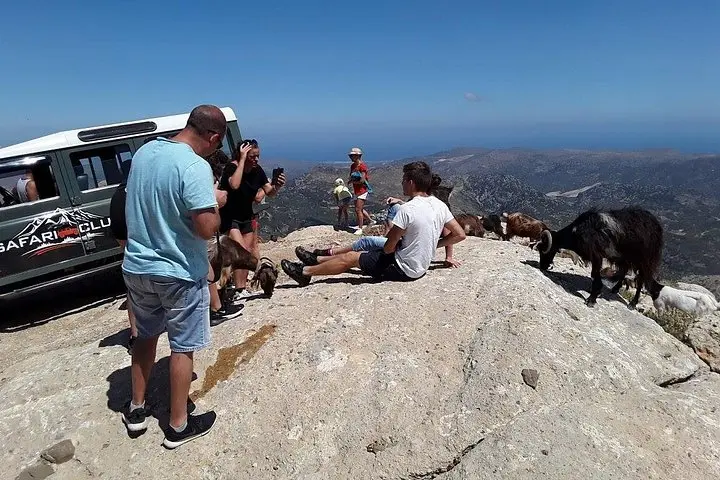
Culture here is small-scale and seasonal: local tavernas in nearby villages serve Cretan dishes rooted in mountain produce, and shepherd families still move flocks according to old rhythms. Combine your outdoor day with an afternoon in Agios Nikolaos to reset—swim, resupply, and enjoy coastal seafood after a day of high-country wind. Prioritize safety and flexibility: check local road access, respect private grazing areas, and be ready to change plans if weather tightens. The plateau rewards patient, low-impact travel and travelers who value wide views and quiet footpaths over polished trail infrastructure.
PLAN YOUR VISIT
April, May, September, October
Spring and autumn offer the most comfortable hiking conditions with milder temperatures and lower fire risk; summer is hot and exposed on the plateau, and winter can bring snow or icy patches at higher elevations.
The busiest period is summer, especially July and August, when coastal stays and weekend visitors increase; if traveling then, start hikes early in the day and book lodging in advance.
Visiting off-peak in late autumn or early spring yields quieter trails, lower rates and dramatic skies, but check for muddy tracks, remaining snow patches, and reduced village services.
PACK WITH PURPOSE
FIND YOUR PACE
Advanced adventures push into rugged ridgelines, multi-day treks, and technical off-road cycling on exposed terrain.
Beginner-friendly outings on the plateau involve short, well-graded walks and scenic drives with minimal navigation.
Intermediate trips mix longer hikes with route-finding on faint tracks and moderate elevation change.
BEFORE YOU GO
You can self-guide if you have navigation experience and good maps, but a local guide adds safety, route knowledge and cultural context—useful if you want to maximize a single day.
Plan for a half-day to full-day outing depending on activities; allow time for the drive to rim roads, a 3–6 hour hike or bike loop, and a relaxed return to the coast.
Yes—experienced gravel and mountain bikers will find rewarding terrain, but expect rocky tracks and occasional push sections; choose a bike with durable tires and bring repair supplies.
Water is limited and seasonal; treat any natural water before drinking and carry sufficient water for your planned time on the plateau.
Wild camping is possible in remote spots but check local regulations and practice leave-no-trace habits; weather and wind exposure require a solid shelter and warm layers.
Weather can change rapidly at elevation—check forecasts before you go, be prepared for wind and quick temperature shifts, and have alternate plans if roads are closed or storms roll in.