
Marseille, France
Drive the Route des Crêtes: Convertible Day Trip from Marseille Cruise Port to Cassis
from $569.05USD
Loading the next place…
Gathering stories, stays, and experiences for you.
VAYCAI · ATTRACTION GUIDE
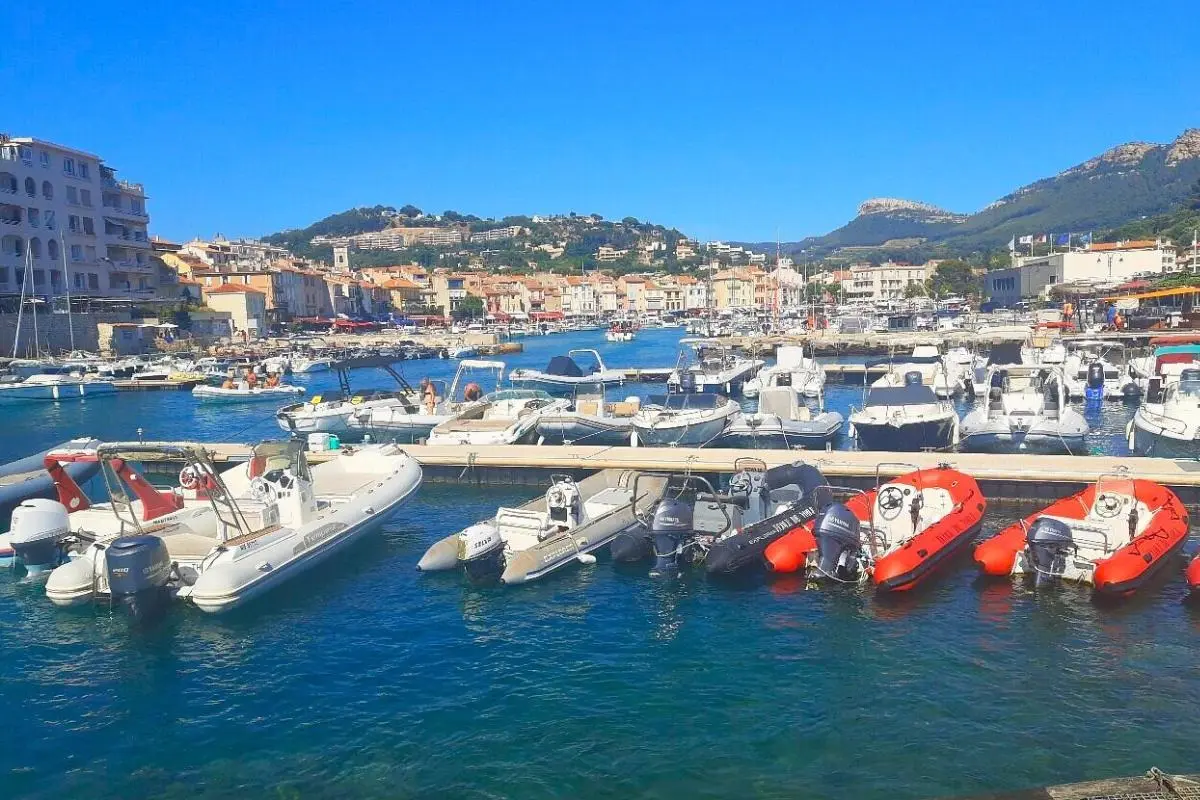
Port de Cassis pairs short, dramatic cliff trails with turquoise coves that beg to be stacked into one day: hike a coastal ridge, descend to a pebble beach for a swim, then book a late-afternoon boat to see the calanques from sea level. Practical, compact and walkable, Cassis lets you combine hiking, paddling and scenic drives without long transfers.
Explore experiences ↓Your guide to places, experiences, and adventures.
THE GOOD STUFF STARTS HERE
Marseille, France

Marseille, France

Marseille, France

Marseille, France

Marseille, France
Listed starting prices may vary by option, travel date and group size. Confirm the final total and availability on Viator. Sponsored links: we may earn a commission from qualifying bookings.
STORIES WORTH GOING FOR
Cassis · France
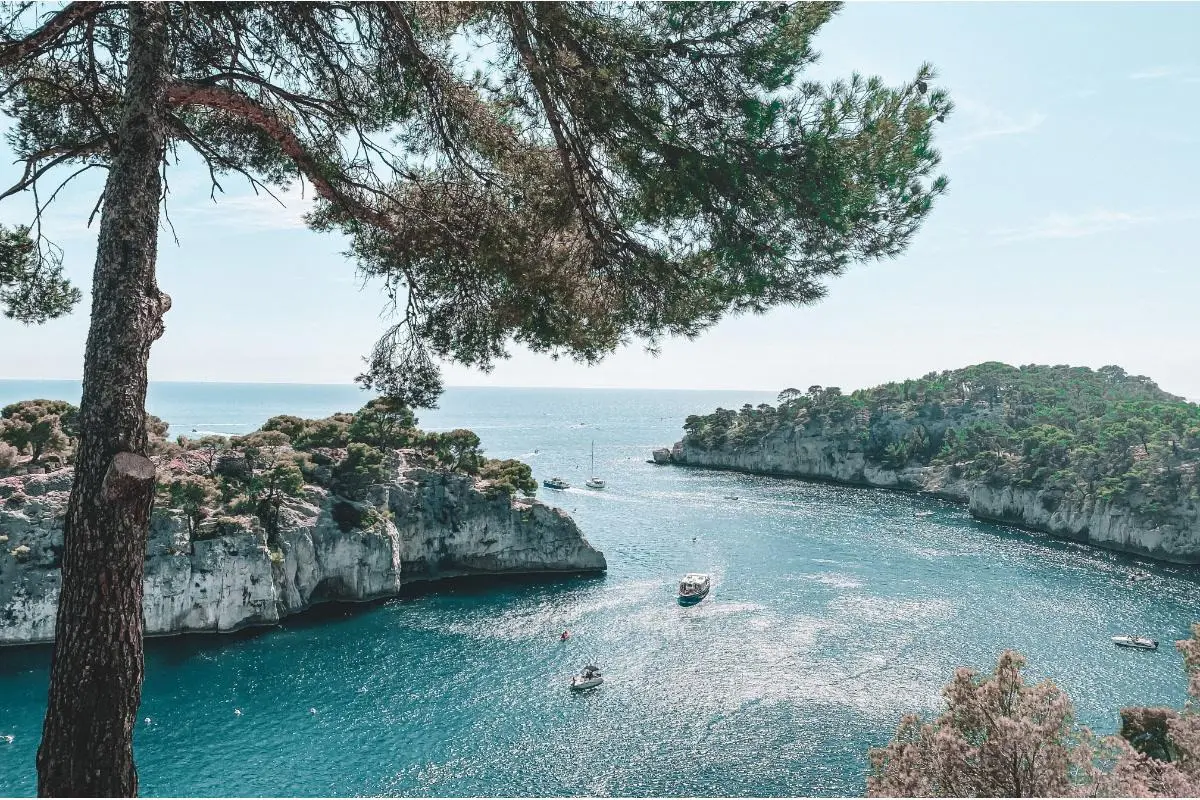
A narrow limestone inlet, turquoise water and trails that drop to pebbled coves: Calanque de Port-Miou is both gateway and destination in the Calanques. Here’s how to get the most from a half-day of paddling, hiking, or coastal riding.
Read the story ↗Cassis · France
From pastel quays to sheer limestone cliffs, Port de Cassis is the gateway to the Calanques. Boat trips, hikes to Cap Canaille, and e-bike rides through the massif make for a compact, unforgettably elemental coastal escape.
Read the story ↗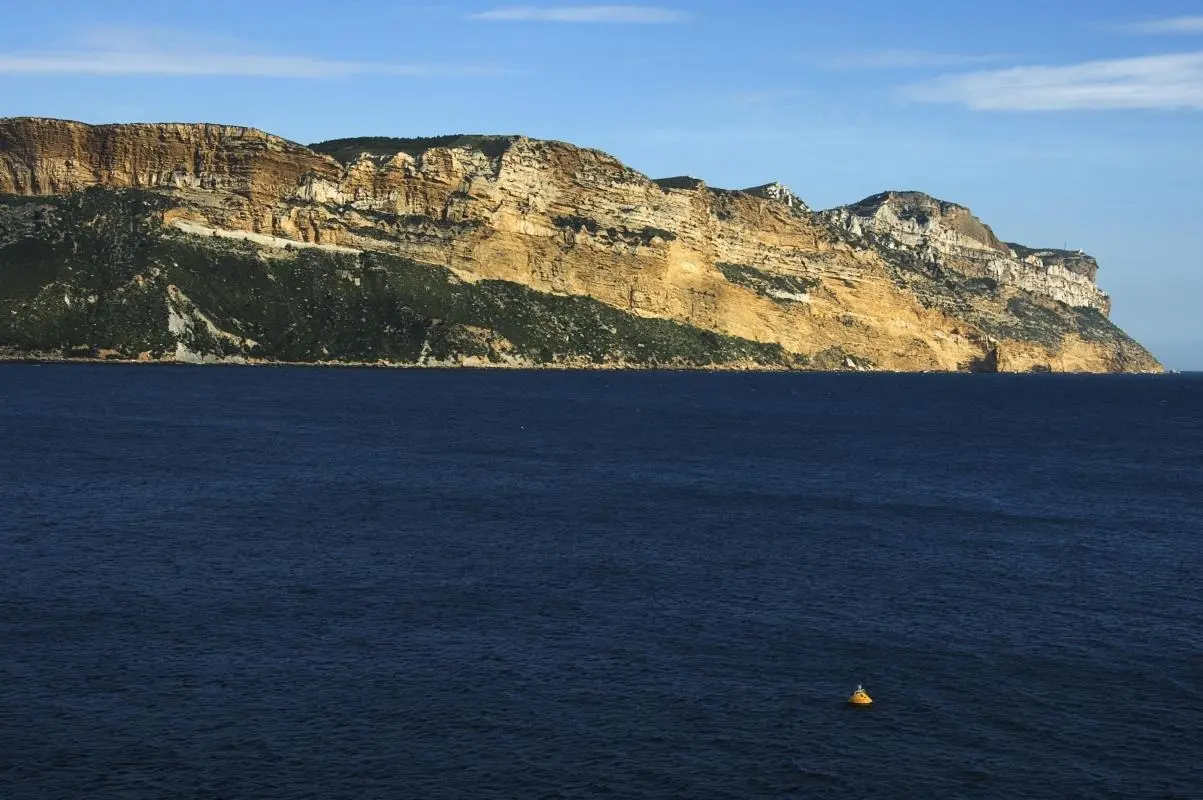
Cassis · France
Ochre cliffs meet cobalt sea at Cap Canaille: a short, dramatic cliff-top adventure that pairs scenic viewpoints with Cassis’ harbor charm and boat trips into the Calanques. Plan for sun, wind, and panoramic rewards.
Read the story ↗GET TO KNOW THE PLACE
Port de Cassis feels immediate: the harbor hums, small boats bob, and the calanques' white limestone cliffs lean into the Mediterranean. It's a place where water and rock challenge you in small, approachable ways—short hikes with big exposure, coves that invite paddling, and boat routes that reshape perspective. You can curate a day that mixes land and sea without needing large transfers or specialized gear.
Step onto the port and the scene sets itself: fishermen mend nets, cafés spill onto the quay, and limestone walls hold salts and sun. Geologically, Cassis sits at the eastern edge of the Massif des Calanques, where uplifted rock has been chewed by the sea into narrow fjord-like inlets known locally as calanques. That geology makes for abrupt cliffs, sudden viewpoints, and pebble beaches tucked under overhanging rock. The landscape nudges you toward short, exposed routes rather than long mountain traverses, so days feel dense with scenery rather than stretched by distance.
History is practical here: generations worked the sea and the land, and you can still trace that relationship in tiny harbors, stone terraces of vines, and olive groves clinging to slopes. Local culture tends to orbit the meal—late lunches, long aperitifs—and timing your activity to avoid the hottest midday hours in summer pays off. Access is straightforward from Marseille by train or car, then a short transfer to the harbor. Once in Cassis, most trailheads and boat operators are within easy walk of the port, which makes logistics simple for multi-activity days.
When you plan, prioritize one major exposure—a calanque visit from a kayak or a ridge walk up toward Cap Canaille—and build around it. Mornings are best for hikes and paddling when the wind is lighter; afternoons suit boat tours and snorkeling in sun-warmed coves. Carry a lightweight daypack, shoes with good traction, and a plan B for wind or chop: some coves close to small-boat access on windy days, and operators will advise safer routes. Pack efficiently and you can stack a hike, a swim and a coastal drive all before dinner.
PLAN YOUR VISIT
May, June, September, October
Spring and early autumn bring mild temperatures and calmer seas ideal for hiking and paddling; summers are warm with stronger afternoon winds (mistral) that can push boat operators to alter plans.
July and August are busiest, with crowded ports and booked boat trips; plan by starting activities early, reserving boats and lodging well in advance.
Late autumn and winter offer quieter trails, lower prices and dramatic light, but services are reduced and some coastal paths can get muddy or slippery—respect local closures and choose sheltered routes.
PACK WITH PURPOSE
FIND YOUR PACE
Technical rock routes, exposed traverses and open‑water paddling requiring objective‑risk management and strong skills.
Short, low‑exposure coastal walks and sheltered water activities that require minimal technical skill.
Longer ridge hikes with some exposure and independent paddling on calm days requiring navigation and basic fitness.
BEFORE YOU GO
You can self-guide short coastal hikes and public calanques, but guided kayak or boat trips provide safer access to narrow inlets and local knowledge about tides, swimming spots and protected areas.
A long weekend lets you hike a ridge, take a boat or kayak trip, and enjoy local food; five to seven days unlocks more remote calanques and time for relaxed pacing.
Beginners can paddle protected coves with a guide; operators assess wind and sea conditions and will suggest sheltered routes or switch to a boat if conditions dictate.
Some trailheads have parking, but many popular routes start within walking distance of the port; parking in summer is limited, so consider walking or local transfers.
Expect Mediterranean sun and mild temperatures in shoulder seasons, hot summers with possible strong afternoon mistral winds, and occasional winter storms—check forecasts and plan flex days.
Parts of the calanques are in a national park with seasonal restrictions to protect vegetation and fire risk; verify access rules and follow posted guidance.