
Kathmandu, Nepal
Everest Base Camp Trek: 15-Day Lukla to EBC Guide for High-Altitude Trekkers
from $1,500.00USD
Loading the next place…
Gathering stories, stays, and experiences for you.
VAYCAI · ATTRACTION GUIDE
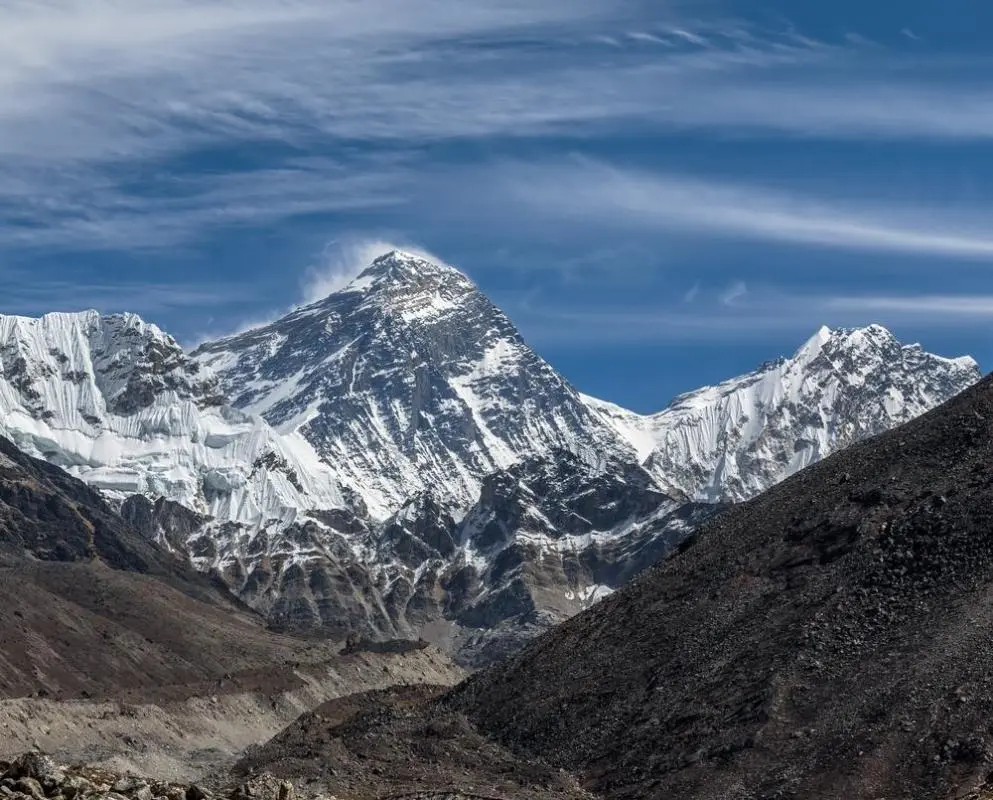
Mt. Everest anchors a layered itinerary of high-altitude trekking, Sherpa culture, and glacier viewpoints that you can stack with scenic flights, acclimatization hikes, and a few days in Kathmandu. Expect teahouse nights, steady climbs through rhododendron forests into thin air, and spectacular ridge-line viewpoints; plan time to acclimatize and book key logistics in advance.
Explore experiences ↓Your guide to places, experiences, and adventures.
THE GOOD STUFF STARTS HERE
Kathmandu, Nepal

Kathmandu, Nepal


Kathmandu, Nepal

 ◷ 192 hr
Lhasa, China

Kathmandu, Nepal

Lhasa, China

Kathmandu, Nepal

Lhasa, China
Listed starting prices may vary by option, travel date and group size. Confirm the final total and availability on Viator. Sponsored links: we may earn a commission from qualifying bookings.
STORIES WORTH GOING FOR
Kathmandu · Nepal
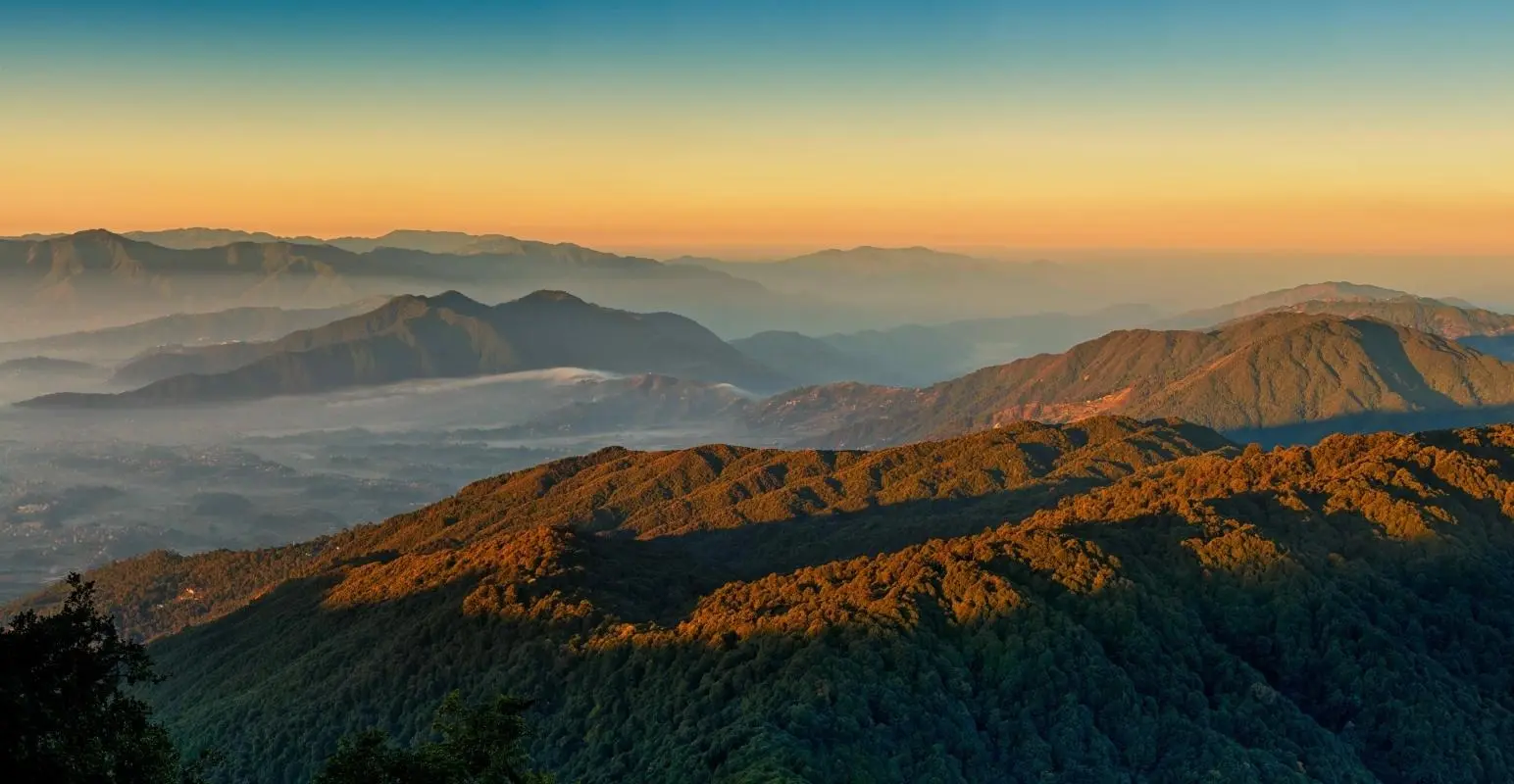
Shivapuri Nagarjun National Park is Kathmandu’s immediate wild frontier—a compact network of ridges and monasteries that deliver Himalayan panoramas, rhododendron forests, and accessible day hikes. It’s the perfect place to swap city noise for birdsong and big-sky views without leaving the valley.
Read the story ↗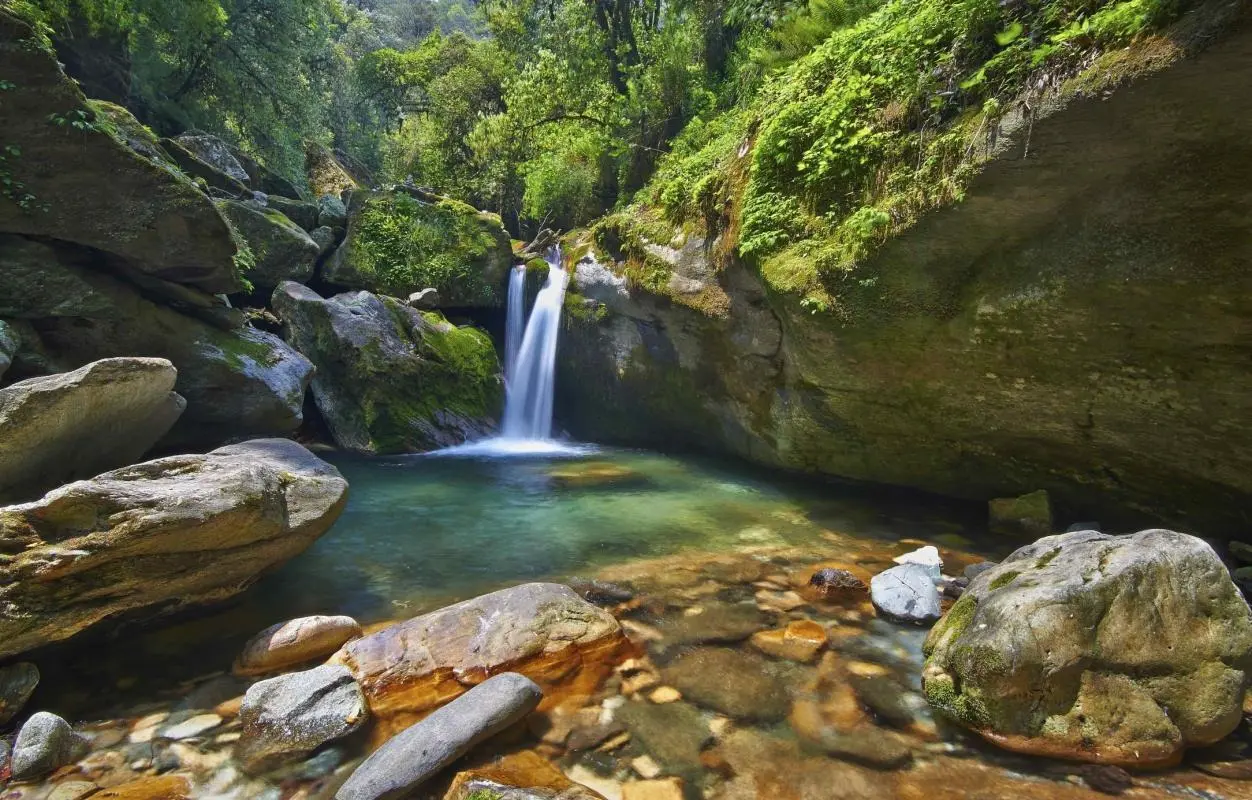
Kathmandu · Nepal
Less than an hour from Thamel, Sundarijal is Kathmandu’s green hinge — a waterfall, a watershed and the gateway to forested ridges that lead to Chisapani and Nagarkot. Hike, bike or canyon: the trails here are short, steep and verdant, and the rewards range from high ridgeline sunrises to intimate village encounters.
Read the story ↗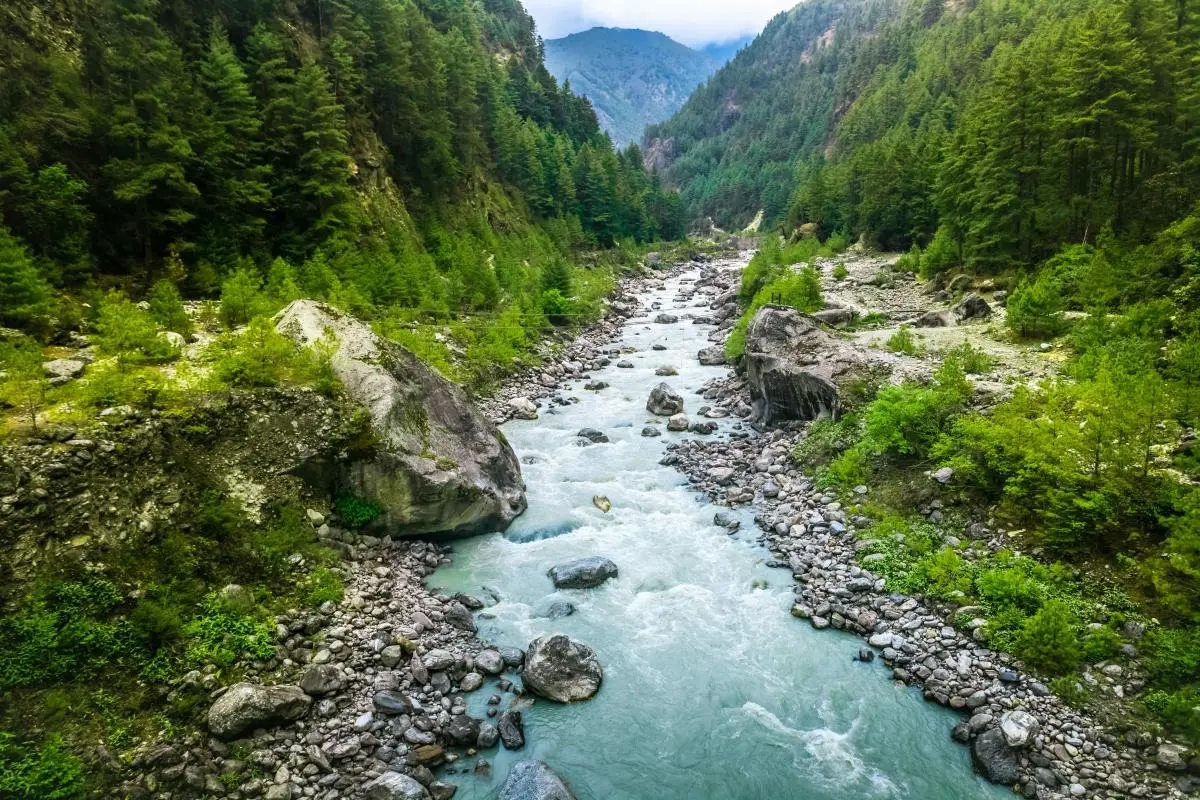
Kathmandu · Nepal
The Dudh Kosi — the river of milk — is the valley spine of the Khumbu, guiding treks to Everest Base Camp, Gokyo, and the Three Passes. This guide blends on-trail storytelling with the logistics and gear you need to make the river your route to the roof of the world.
Read the story ↗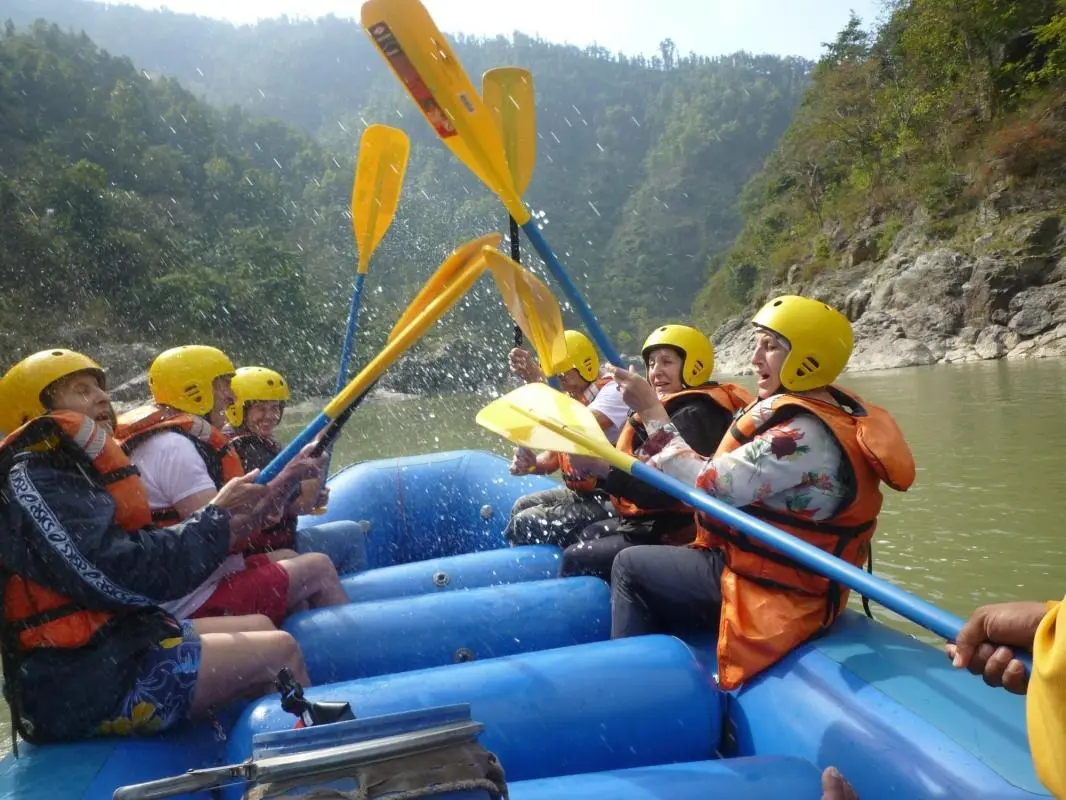
Kathmandu · Nepal
A fast, scenic run through deep gorges and terraced villages, Trisuli River rafting is Nepal’s accessible whitewater classic. Whether you have a day or two, the river delivers big-water thrills with cultural stops and riverside hospitality.
Read the story ↗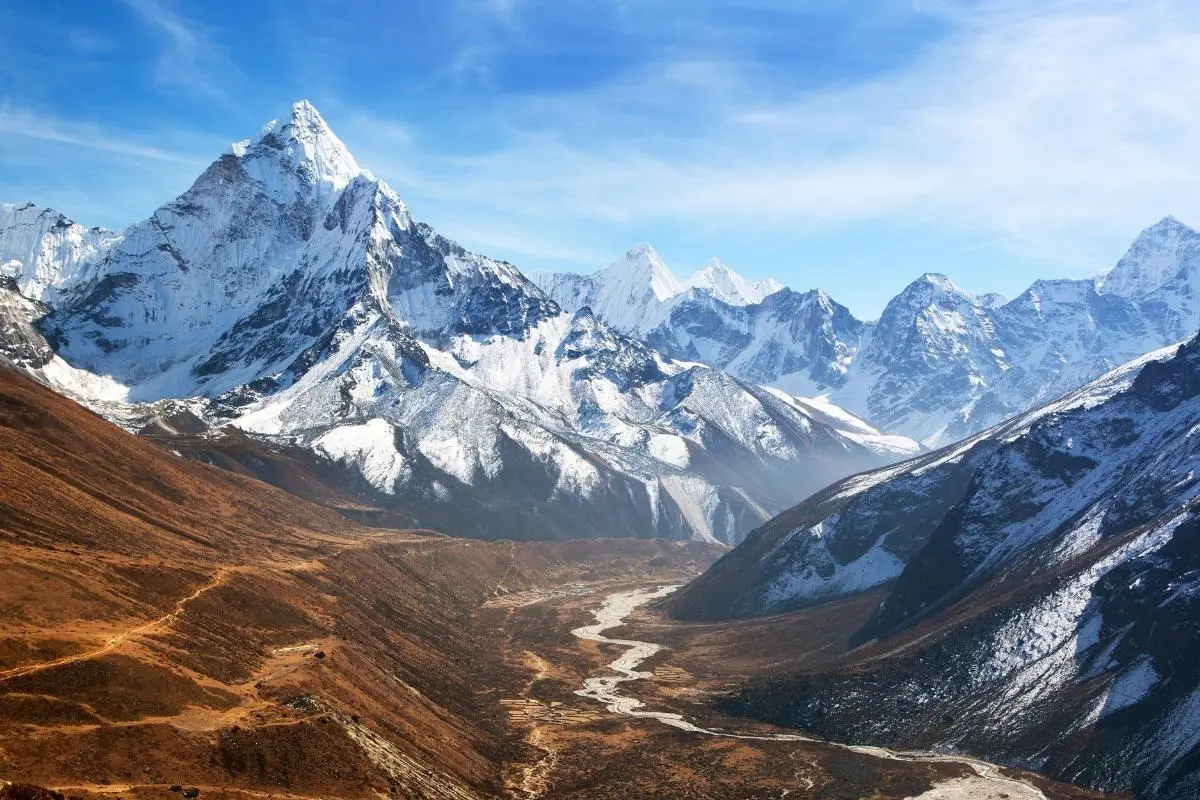
Kathmandu · Nepal
From the flutter of prayer flags in Namche Bazaar to the glassy turquoise of Gokyo Lakes, Sagarmatha National Park is a concentrated high-altitude experience—teahouse trails, glacier views and passes over 5,300 m. Here’s how to prepare, what to expect and which routes deliver the best payoff.
Read the story ↗Kathmandu · Nepal
An immersive guide to experiencing Mt. Everest that balances big-picture wonder with concrete planning: routes, acclimatization, culture and the practical gear and timing you need to make the trip.
Read the story ↗GET TO KNOW THE PLACE
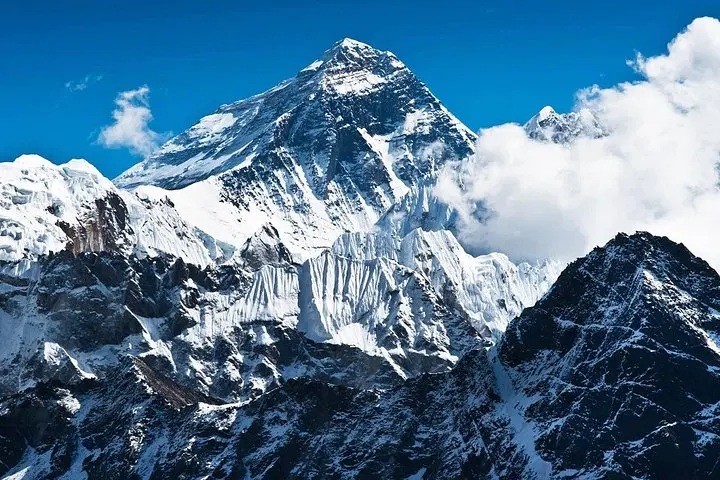
You arrive at the edge of a world that measures itself in verticals. Timbered lower valleys give way to stone, prayer flags anchor ridgelines, and the summit—silent and indifferent—looms above. Everest is less a single activity than a sequence: fly, trek, acclimatize, take a viewpoint, and, if you choose, assemble for a high-altitude expedition. The trip rewards steady planning and respect for altitude.
Begin with place and people. The mountain sits within Sagarmatha National Park, a protected landscape where Sherpa villages rest on ledges and glaciers move like slow rivers. Geologically, Everest is a stacked record of continental collision: marine limestone thrust skyward into ice and cold. Culturally, the Khumbu is shaped by Buddhist monasteries, hospitality-driven teahouse networks, and trail etiquette that values mutual support. Practically, most itineraries begin in Kathmandu with an internal flight to Lukla, then a progressive climb through villages such as Phakding and Namche Bazar. Nights are spent in simple lodgings; days are measured by gradual elevation gain and time to breathe and adjust.
Logistics hinge on seasons and altitude management. Spring and autumn windows offer clearer skies and milder temperatures, while the monsoon months bring cloud, mud, and reduced visibility; winter is quieter but much colder. Route choices and daily mileage should prioritize acclimatization—shorter, steadier days with rest or active-recovery hikes reduce risk of altitude illness. Guided groups balance pace, permitting, and porter support; independent trekkers can do much of the route but should hire local expertise for safety and navigation. Pack layers, plan a buffer day for weather, and expect intermittent cellular service and limited power in mountain teahouses.
For the adventurous who want more than a viewpoint, Everest becomes a platform for staged experiences: short helicopter hops for dramatic aerial views, basic ice-craft courses on lower glaciers, or full expedition logistics for those attempting technical climbs. Each added component increases permit, guide, and equipment needs. From a travel-agent perspective, the trip stacks: a few days in Kathmandu for culture and gear, a week-plus for trekking to vantage points like Kala Patthar, and additional time for any technical training or summit attempts. Good planning turns the mountain’s scale from intimidating to actionable.
PLAN YOUR VISIT
March, April, May, September, October, November
Spring and autumn bring the clearest skies and stable trekking weather; monsoon months are wetter and cloudier with more mud, and winter is much colder with shorter daylight and possible trail closures at higher elevations.
The busiest period is spring (April–May) when summit attempts and guided groups concentrate on the mountain; book flights, permits, and guides well in advance and expect fuller teahouses.
Visiting in late autumn or winter can mean fewer crowds and lower prices for logistics, but be ready for colder temperatures and limited services; choose routes carefully when snow and ice increase.
PACK WITH PURPOSE
FIND YOUR PACE
Technical, expedition-style activities that require specialized skills, permits, and support teams.
Accessible experiences for first-time visitors that prioritize acclimatization, short days, and cultural immersion.
Multi-day trekking with steady elevation gain and basic navigation skills, suitable for fit travelers who can manage several hours of walking daily.
BEFORE YOU GO
A guide is not strictly mandatory for basic trekking but hiring a licensed guide and porter is strongly recommended for navigation, safety, acclimatization advice, and permit handling.
Most common itineraries allocate one to two weeks for a trek to high viewpoints with proper acclimatization; add extra buffer days for weather or flight delays.
Travel typically involves a short domestic flight to Lukla followed by multi-day trekking into the Khumbu; alternatives include road travel to lower access points combined with longer approaches.
High-altitude illness, sudden weather changes, and basic remote-area medical access are the primary concerns; proper acclimatization, a conservative schedule, and travel insurance with evacuation coverage are essential.
Yes; scenic flights from Kathmandu offer dramatic aerial views of Everest and the range for travelers who want a shorter option without trekking, though flights are weather-dependent.
Basic Wi‑Fi and charging services exist at many teahouses for a fee, but coverage is intermittent and slower at higher elevations, so plan for limited connectivity.