
Loading the next place…
Gathering stories, stays, and experiences for you.
Loading the next place…
Gathering stories, stays, and experiences for you.
VAYCAI · ATTRACTION GUIDE
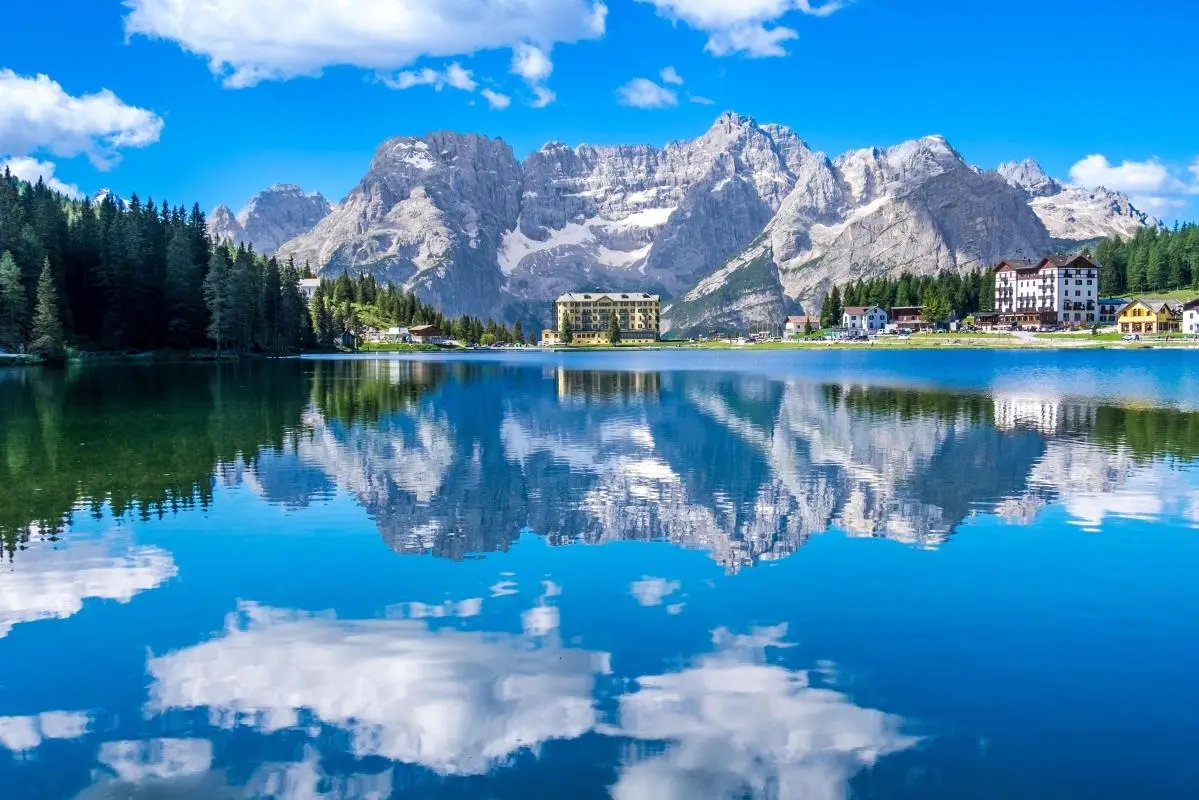
Cortina d'Ampezzo sits at the heart of the Dolomites, where limestone towers, alpine meadows, and crystal lakes stack into a landscape made for movement. Build an itinerary of steep day hikes and via ferrata, add scenic high-pass drives and morning mountain-biking, and finish with a calm lakeside evening for balance and recovery.
Explore experiences ↓Your guide to places, experiences, and adventures.
THE GOOD STUFF STARTS HERE

Cortina d'Ampezzo, Italy
Cortina d'Ampezzo, Italy

Cortina d'Ampezzo, Italy
Cortina d'Ampezzo, Italy

Cortina d'Ampezzo, Italy
Listed starting prices may vary by option, travel date and group size. Confirm the final total and availability on Viator. Sponsored links: we may earn a commission from qualifying bookings.
STORIES WORTH GOING FOR

Venice · Italy
Rise with the tide and let the lagoon set the pace. From Murano’s furnaces to Burano’s candy façades and Torcello’s mosaics, the Venetian Lagoon is best understood by boat—quiet, tactile, and weather-made.
Read the story ↗
Venice · Italy
Visit the modest doorway that anchors Marco Polo’s legendary travels and find a quieter, more thoughtful side of Venice. This small stop links the city’s mercantile rhythms with a global story that reshaped Europe’s view of Asia.
Read the story ↗Cortina d'Ampezzo · Italy
Jagged limestone towers, turquoise alpine lakes, and rifugio culture: the Dolomites demand exploration by foot, by e‑bike, and from the air. This guide pairs the feeling of the range with practical steps to plan a multi-mode day in Italy’s UNESCO‑listed highlands.
Read the story ↗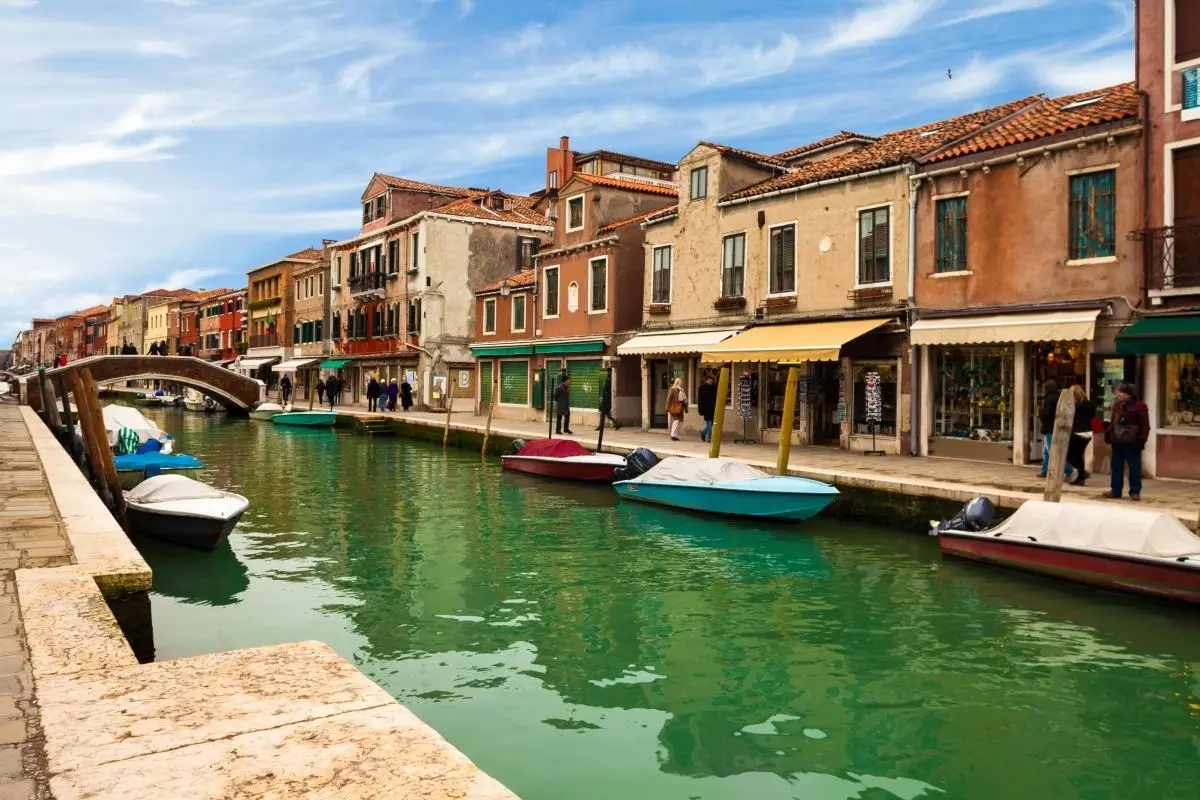
Venice · Italy
Murano is where molten color and Venetian history meet. Step off a vaporetto, feel the furnace heat, and watch centuries-old glassmaking still practiced with precision — then wander canals, museums and quiet cafés for a full picture of island life.
Read the story ↗
Venice · Italy
Just a short hop from Venice, Mazzorbo is a tiny island where vineyards, wooden footbridges and lagoon life take center stage. Swap crowds for quiet osterias, salt-scented terroir and easy island walks.
Read the story ↗
Venice · Italy
Dorsoduro is Venice’s art district—low on spectacle, high on lived-in beauty. From the Peggy Guggenheim to hidden shipyards and slow Zattere sunsets, it’s a neighborhood that rewards curious walkers.
Read the story ↗GET TO KNOW THE PLACE
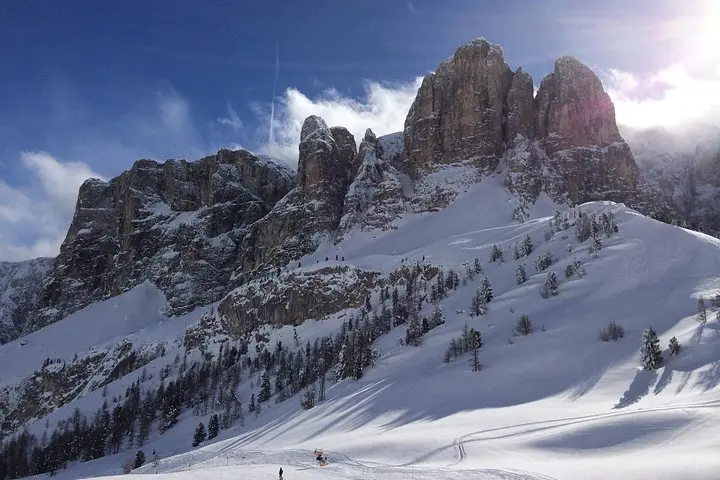
Walk into Cortina and the mountains assert themselves: flat town streets give way to spires that hold snow late into summer and cast long shadows across meadows. The town is a practical base—services, lifts, and rifugi—so you can tailor each day from easy lake walks to exposed via ferrata and multi-day traverses.
The Dolomites are geologic theater. Ancient reefs lifted and fractured into the pale, fluted towers you see from Cortina; wind and winter continue to carve gullies and ledges. That geology shapes the activities: limestone offers friction for climbers, vertical faces for via ferrata, and broad ridges for hikers. Culture here blends Ladin mountain traditions with Italian alpine hospitality. Dorf cafés and rifugi serve hearty polenta and mountain cheeses, while local guides keep knowledge of weather windows and safe lines. Roads and lifts make access efficient, but trailheads can still be remote; plan transport and expect some short service-road pedaling or shuttle rides.
Practical timing matters. Summer brings long daylight and the best conditions for the higher passes, yet afternoon storms can roll in with little warning—start early and plan flexibility. Shoulder seasons offer quieter trails and clearer air, but overnight rifugi and some lifts reduce service, so book ahead if you rely on huts. Winter converts these spines into ski terrain and ice-climbs; route choices differ entirely. For day planning, stack a challenging ridge or via ferrata with a gentler second day—use the valley for recovery and logistics, then take a high alpine day when the forecast is stable.
Local logistics are straightforward but worth pre-arranging. Cortina is reachable by regional airports and rail hubs plus a final road transfer; consider a rental car or organized shuttle for flexibility. Rifugi and mountain huts accept reservations and their availability shapes multi-day itineraries. If you plan technical via ferrata, hire a guide or verify equipment rental options. Above all, respect alpine etiquette—yield on narrow trails, avoid disturbing pastureland, carry out waste, and be prepared to change plans when weather moves from benign to volatile. The mountains will test timing and patience, and they reward those who come prepared.
PLAN YOUR VISIT
June, July, August, September, October
Summer offers long days and the most stable conditions for high-alpine hikes and via ferrata, though afternoon storms are common; shoulder months bring cooler air and clearer visibility with carrying risk of late snow at higher elevations.
July and August are the busiest months with the most visitors and full lift schedules; book accommodations and guided activities well in advance and start hikes early to avoid crowds and afternoon storms.
Late spring and October provide quieter trails, dramatic light, and lower prices, but some lifts and rifugi may be closed; winter offers excellent skiing and ice climbing but requires different logistics and technical skills.
PACK WITH PURPOSE
FIND YOUR PACE
Advanced adventures are multi-day traverses, technical climbs, and winter ski-mountaineering requiring route-finding, alpine skills, and often ropework.
Beginner routes focus on gentle elevation gains, well-marked trails, and lift-assisted viewpoints that require little technical gear.
Intermediate outings include sustained day hikes, assisted via ferrata, and graded mountain-bike routes that demand fitness and comfort on exposed terrain.
BEFORE YOU GO
Beginners and those unfamiliar with alpine ropework should hire a certified guide; guided trips also save time on logistics and gear. Experienced climbers can self-guide with proper equipment and route knowledge.
Plan at least three to five days to mix a hard alpine day, a relaxed lake or village day, and a shorter via ferrata or bike ride; a week lets you add a multi-day traverse or deeper explorations.
Fly into Venice or Innsbruck and arrange a rental car or scheduled shuttle; public transit plus a final bus is possible but slower and less flexible for early starts.
Many rifugi operate seasonally; summer months see the most openings, while shoulder and winter seasons have reduced service—reserve spots if your plan depends on hut stays.
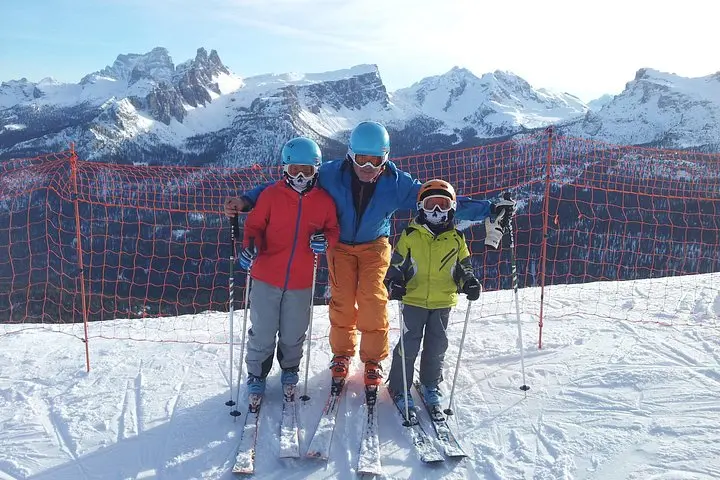
Yes; there are lakeside walks, cable car-accessible viewpoints, and easy meadow trails suitable for families, but monitor weather and choose routes with minimal exposure.
Start early, check multiple forecasts, carry warm and waterproof layers, and have a turnaround plan; local guides monitor conditions and can advise on safe alternatives.