
VAYCAI · ATTRACTION GUIDE
Pyrenees Mountains Visitor Guide
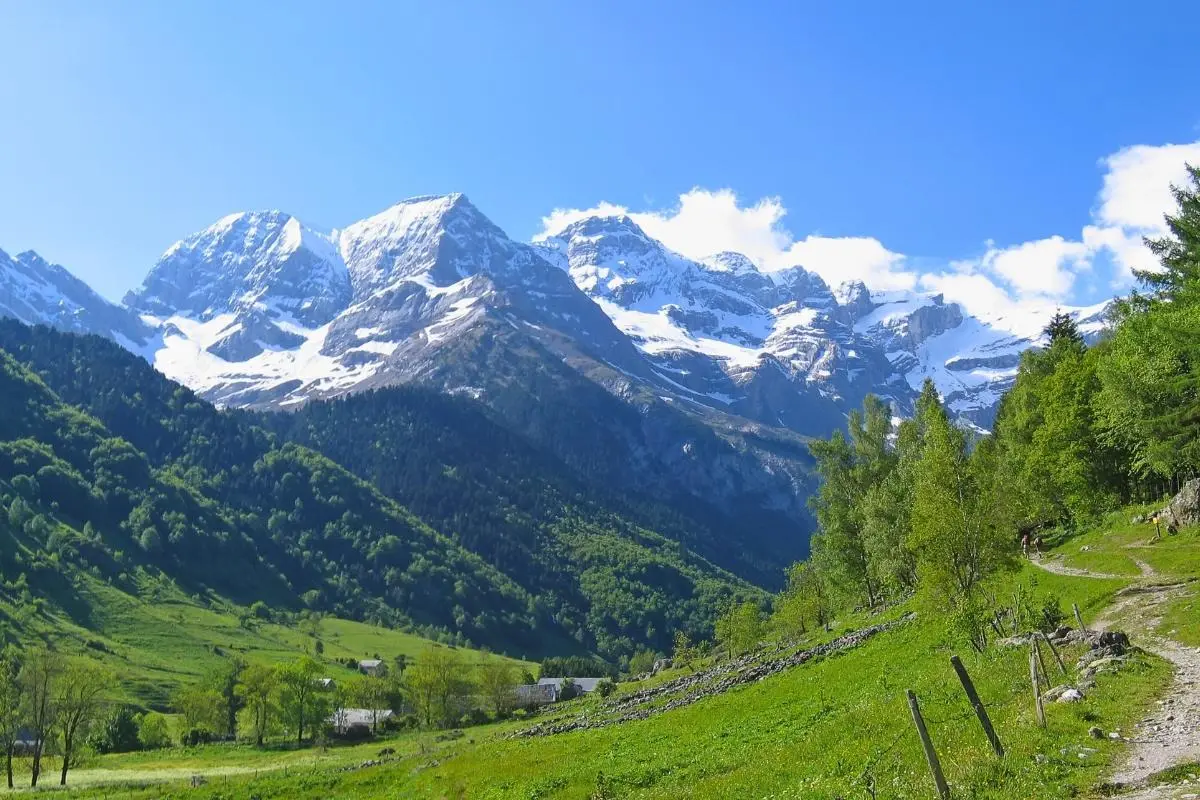
The Pyrenees near Barcelona stack sharp ridgelines, woodland passes and high mountain lakes for a compact alpine experience. You can combine day hikes, river runs and scenic drives into a single trip—think ridge walks in the morning, a canyoning or paddling option in the afternoon, and a village cafe by dusk.
Explore experiences ↓Your guide to places, experiences, and adventures.
Nearby experiences in Barcelona. Check each itinerary for a visit to Pyrenees Mountains, Barcelona, Catalonia, Spain.
THE GOOD STUFF STARTS HERE
Experiences around Pyrenees Mountains, Barcelona, Catalonia, Spain
Barcelona, Spain
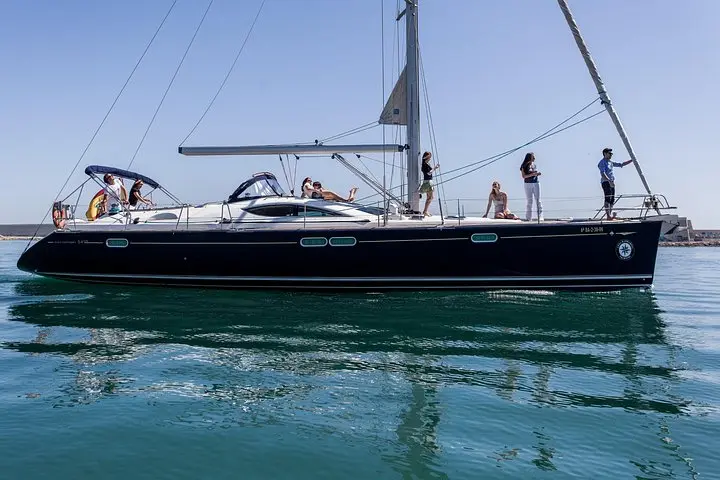
Barcelona Private Luxury Sailing Tour: Small-Group Yacht Cruise & Swim
from $419.86USD

Barcelona, Spain
Barcelona Night Tour by Sidecar Motorcycle — Sagrada, Montjuïc & Seafront After Dark
from $191.93USD

Barcelona, Spain
Private Sailing Tour in Barcelona: Port Olímpic Cruise, Swim & Dolphin Watching
from $359.88USD

Barcelona, Spain
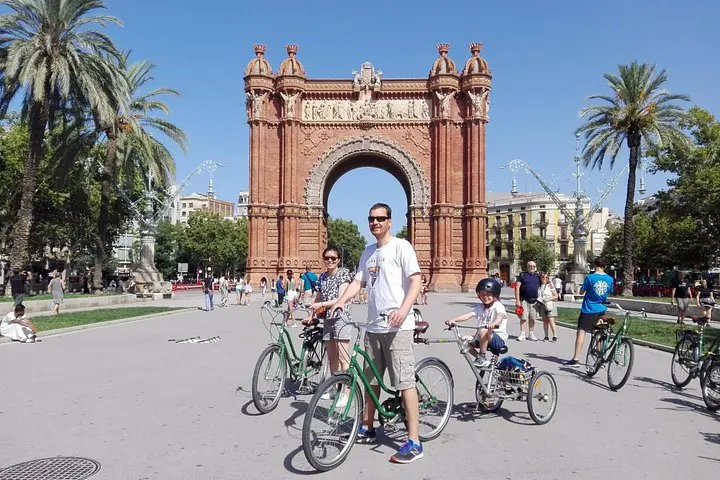
Barcelona E-Bike City Tour: Ride from Arc de Triomf to Sagrada Familia
from $22.79USD

Barcelona, Spain
Private Bike Tours in Barcelona: Custom Routes Through Gaudí and Hidden Neighborhoods
from $40.79USD

Barcelona, Spain
Barcelona Dragon Tour for Families: Private Scavenger Hunt in the Gothic Quarter
from $200.43USD


Barcelona, Spain
Chocolate Walking Tour in Barcelona’s Gothic Quarter — 9 Tastings & Pastry Secrets
from $88.95USD


Barcelona, Spain
Barcelona Coastal Sail: Luxury Private Sailboat Experience from Port Olímpic
from $58.78USD


Barcelona, Spain
Old Heart of Barcelona Photo Tour: Guided Walk, Rooftop Views & Portraits
from $142.32USD


Barcelona, Spain
Barcelona Sailing Experience: 2-Hour Mediterranean Cruise with Snacks & Drinks
from $65.98USD

Barcelona, Spain
10km Barcelona Running Tour — Sagrada Família, Gothic Quarter & Beach Route
from $47.98USD


Barcelona, Spain
Sunset Luxury Sailboat Cruise from Port Olímpic — Barcelona Skyline by Sea
from $58.78USD

Barcelona, Spain
Private Luxury Sailing Cruise in Barcelona: 2-Hour Open-Bar Yacht Experience
from $359.88USD


Listed starting prices may vary by option, travel date and group size. Confirm the final total and availability on Viator. Sponsored links: we may earn a commission from qualifying bookings.
STORIES WORTH GOING FOR
Stories from Barcelona
GET TO KNOW THE PLACE
Why Go: The Pyrenees Near Barcelona
Step out of the city and into a landscape that still feels raw. Limestone ridges hold wind and light differently here; rivers nudge through gorges and high lakes reflect the sky. The Pyrenees shape a practical adventure playground—accessible from Barcelona but far enough to feel remote when you want it.
The Catalan Pyrenees are a mosaic of geology and culture. Ice and water carved the valleys; limestone and granite rise into sharp ridgelines that reward early starts with wide panoramas. Historically these mountains marked boundaries and trade routes between Spain and France, and many small villages still practice pastoral traditions. Language and food change as you climb: Catalan menus, folded cheeses and resilient breads are as much part of the day as the trail. Knowing when and where to go matters—low valleys warm fast, while higher corridors can keep snow late into spring.
Practical access is straightforward. Drive times from Barcelona vary by route, but a first-day logistics plan—arrive, kit check, short warm-up hike—keeps the trip in rhythm. Prioritize altitude acclimation on multi-day plans and check water levels before any paddling or canyoning—rivers can swing after heavy rains. Trails range from grassy valley walks to exposed ridge lines that demand solid footwear and a head for heights. Local refuges and small mountain hotels are useful staging points: book ahead in summer, consider a night in a remote hut for a true alpine dawn.
Plan the mix: single-day hikes for scenic variety, a guided canyoning or river session if you want wet-sport thrills, and a bike day on gravel tracks that link villages. Weather can flip quickly; carry layers and a waterproof shell even in summer. If you want technical climbing or winter ascents, hire a guide. The mountains will test you and reward you—steady planning turns that promise into a realistic, safe itinerary.
Get to know the place
Attractions worth a closer look.

ATTRACTION
Barcelona, Catalonia, Spain
Explore this place ↗
ATTRACTION
Port of Barcelona
Explore this place ↗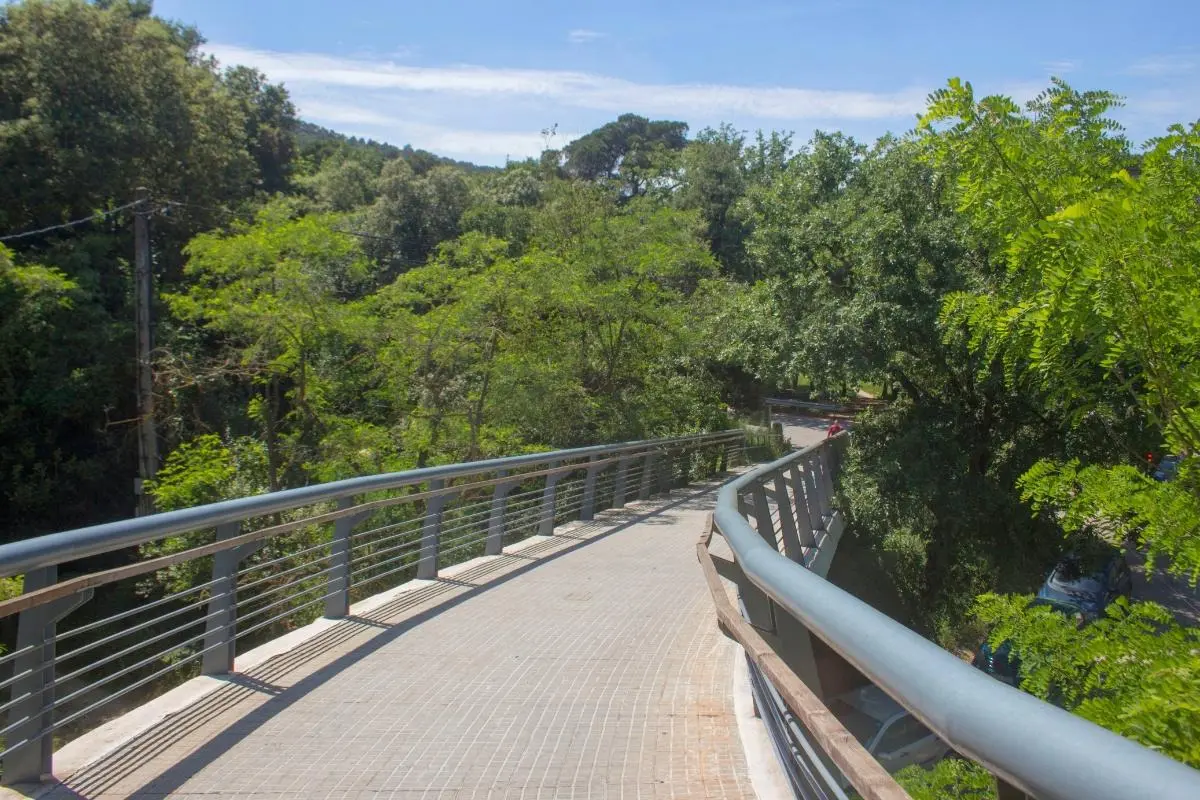
ATTRACTION
Collserola Park (Parc de Collserola)
Explore this place ↗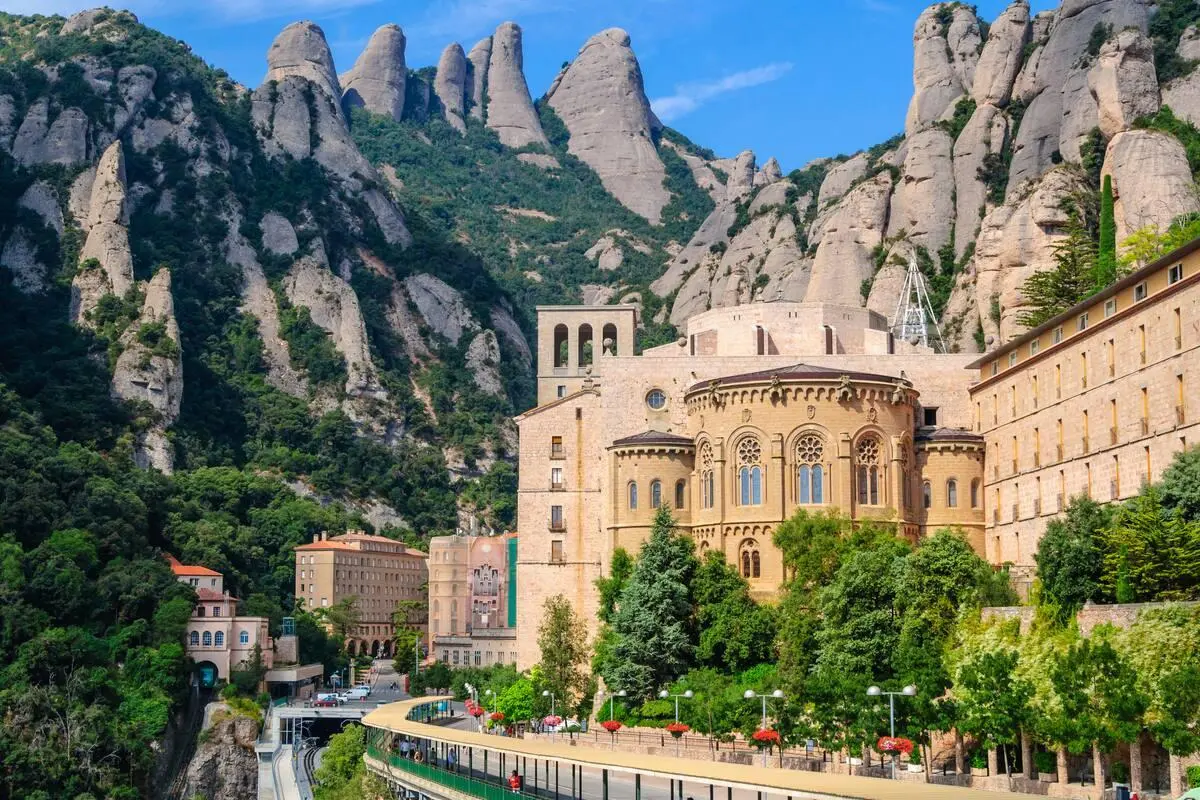
ATTRACTION
Montserrat Mountain
Explore this place ↗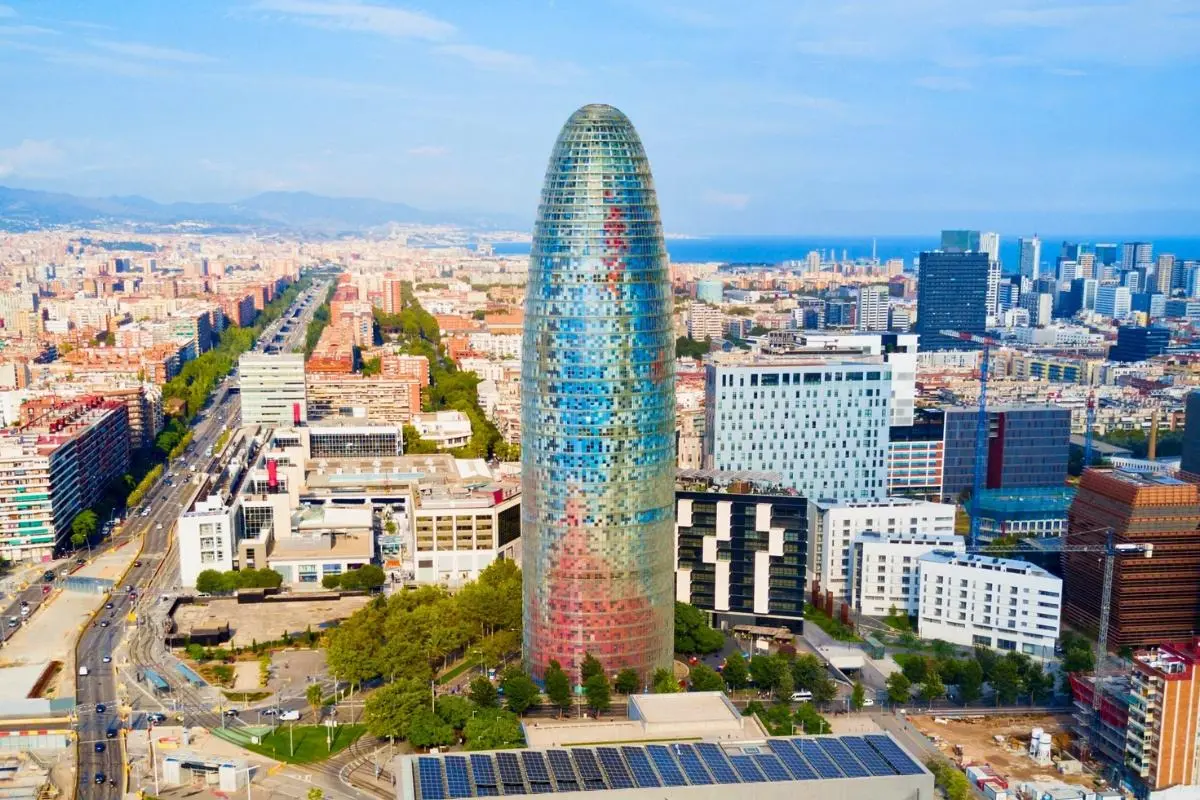
ATTRACTION
Torre Glòries
Explore this place ↗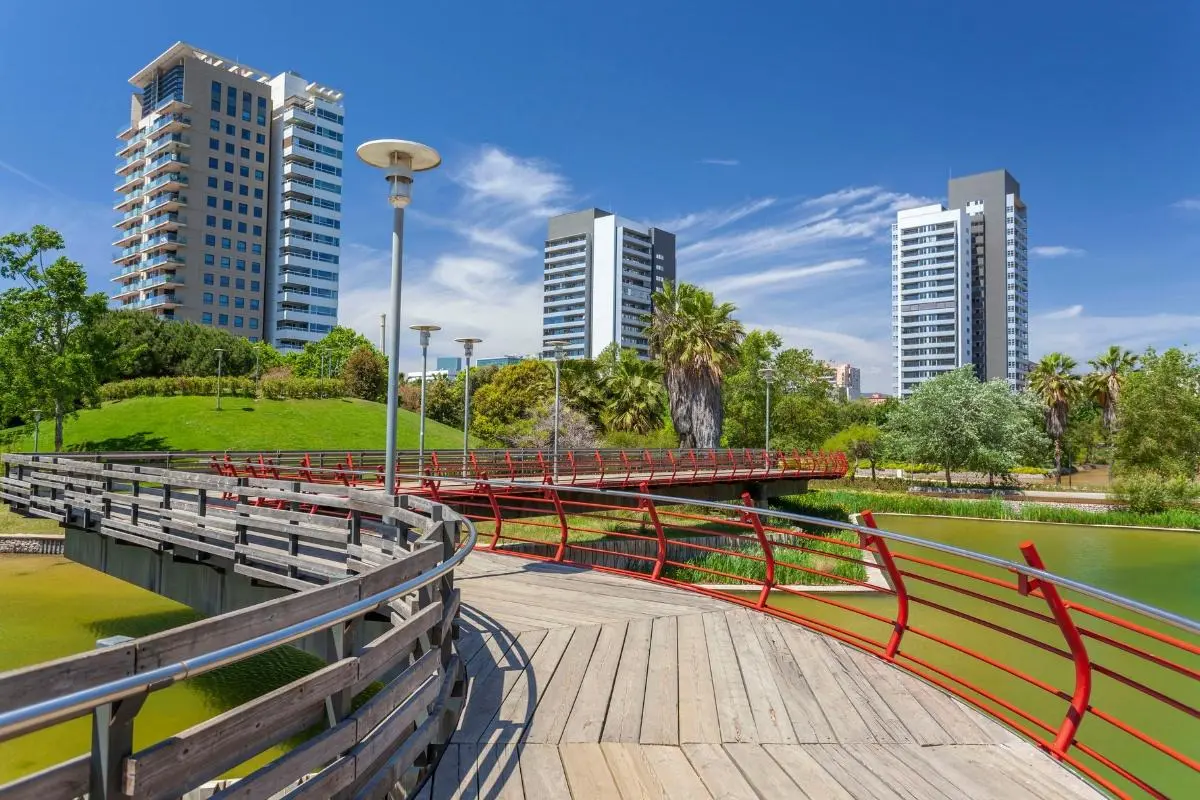
ATTRACTION
Diagonal Mar, Barcelona, Catalonia, Spain
Explore this place ↗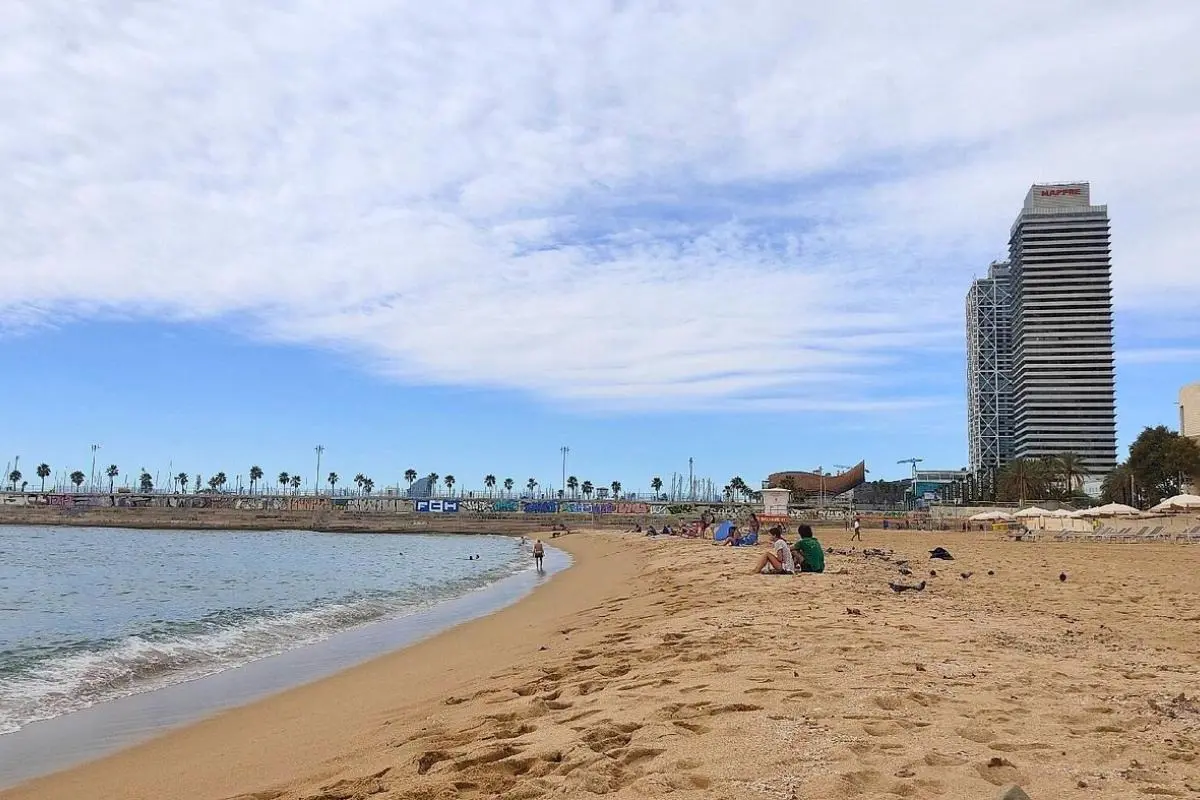
ATTRACTION
Nova Icaria Beach (Platja de la Nova Icaria)
Explore this place ↗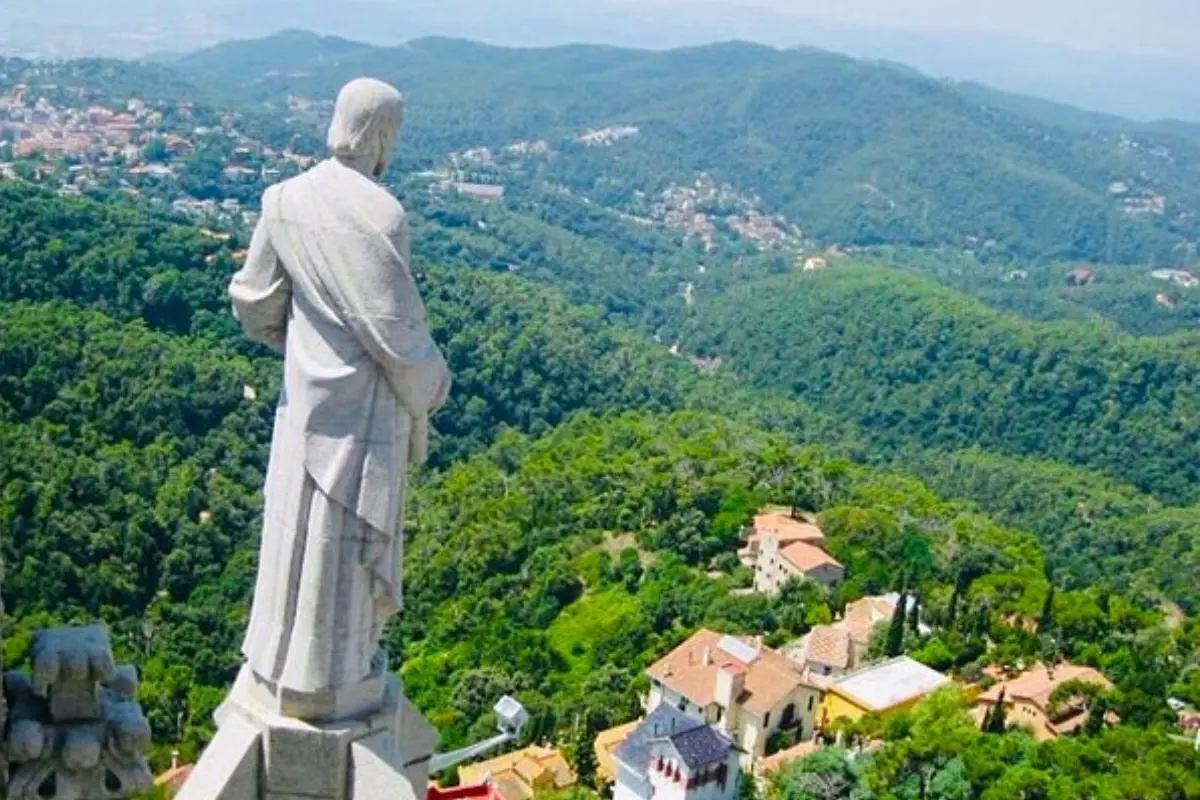
ATTRACTION
Mt. Tibidabo, Barcelona
Explore this place ↗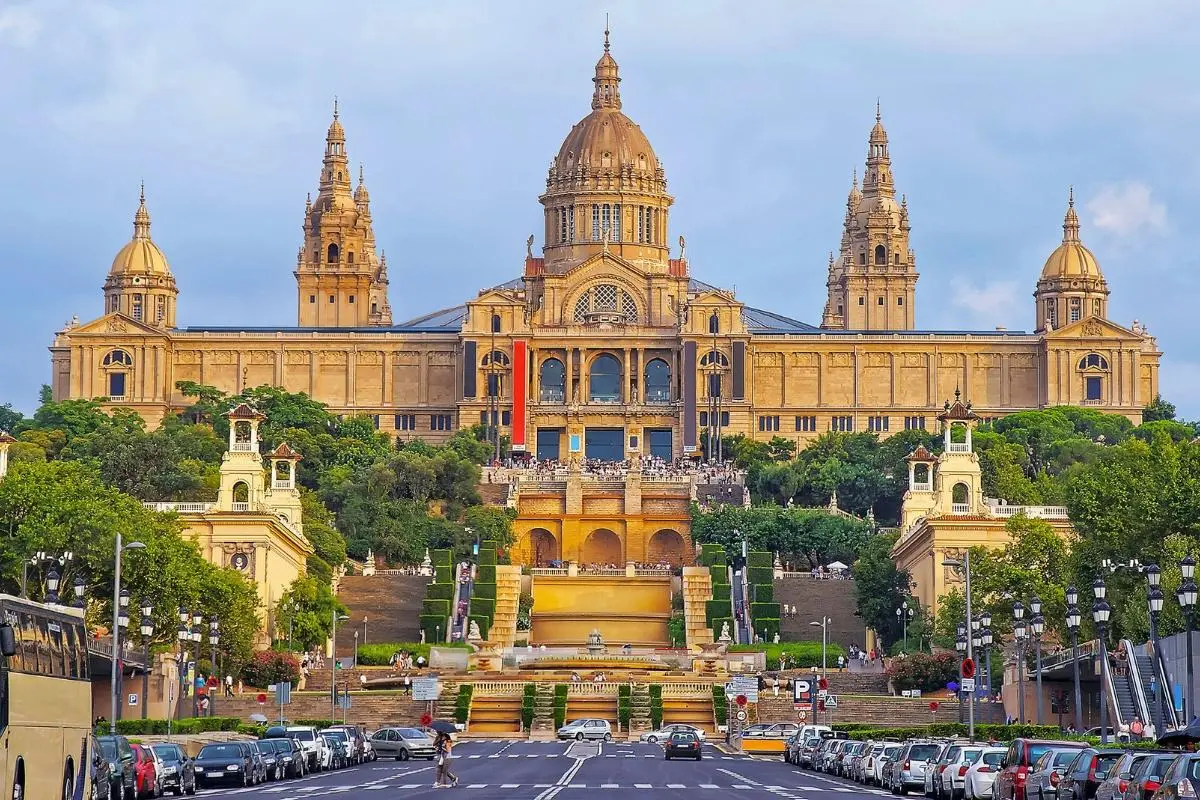
ATTRACTION
Montjuïc Mountain
Explore this place ↗
ATTRACTION
CaixaForum Barcelona
Explore this place ↗
ATTRACTION
Barceloneta Beach
Explore this place ↗PLAN YOUR VISIT
When to go.
Best months
May, June, July, September, October
Weather
Late spring and early summer bring wildflower displays and generally stable conditions on lower routes; summer heats valleys and can produce afternoon thunderstorms. Autumn delivers crisp air and clearer skies but can be cooler at elevation.
Peak season
The busiest period runs through July and August; expect more hikers and limited hut availability—book accommodations and guided activities well in advance.
Beyond the peak
Shoulder seasons offer quieter trails, lower prices and a stronger chance of encountering wildlife; beware muddy approaches and lingering snow at higher elevations and choose routes accordingly.
PACK WITH PURPOSE
What to bring.
optional
- Binoculars for wildlife and ridge watching
- Action camera or compact DSLR
- Picnic kit for summit lunches
essential
- Layered clothing for temperature swings
- Adequate water and a hydration plan
- Sturdy, traction-focused hiking footwear
- Sun protection (hat, sunscreen, sunglasses)
- Offline map or GPS and a route plan
- Basic first-aid kit
recommended
- Waterproof rain shell
- Headlamp with fresh batteries
- Trekking poles for steep descents
- Light dry bag for river activities
FIND YOUR PACE
Choose your kind of adventure.
advanced
Advanced adventures involve exposed alpine ridges, technical rock routes, or winter ascents that demand specialized skills and equipment.
- Alpine mountaineering and route-finding on ridgelines
- Technical rock climbing or multi-pitch routes
- Fastpacking and long-distance ridge traverses
beginner
Beginner options include well-marked valley walks and easy lakeside trails with modest elevation change.
- Gentle valley or lakeshore hikes
- Scenic drives with short trail stops
- Village-to-village cultural walks
intermediate
Intermediate travelers can expect full-day ridge hikes, mixed trail surfaces, and multi-activity days combining hiking with biking or paddling.
- Full-day ridge or cirque hikes
- Gravel and singletrack mountain-biking routes
- Guided canyoning or moderate river paddling
BEFORE YOU GO
Your questions, answered.
Do I need a guide for hiking in the Pyrenees?
Not for straightforward valley or marked trails; hire a certified guide for technical routes, winter travel, high-alpine terrain, or any activity involving ropes or river canyoning.
How long should I plan for a meaningful visit from Barcelona?
A 4–7 day trip lets you combine a couple of day hikes with a bike or river activity and one night near higher routes; shorter trips can still include a memorable day hike plus a scenic drive.
What are transportation options from Barcelona?
Renting a car gives the most flexibility for mountain access; trains and buses reach some valley towns but schedules can be limited—use transfers or local shuttles for remote trailheads.
Is canyoning or paddling safe here?
Yes, when done with reputable operators who check water levels and use proper safety systems; always verify conditions and book guided trips if you lack experience.
How do I handle weather changes in the mountains?
Start early, carry layers and a waterproof shell, check forecasts before setting out, and have a backup plan for lower-elevation activities if storms are likely.
Are huts and refuges open year-round?
Many refuges operate seasonally; some stay open with limited services in shoulder months—confirm openings and book ahead during summer.