
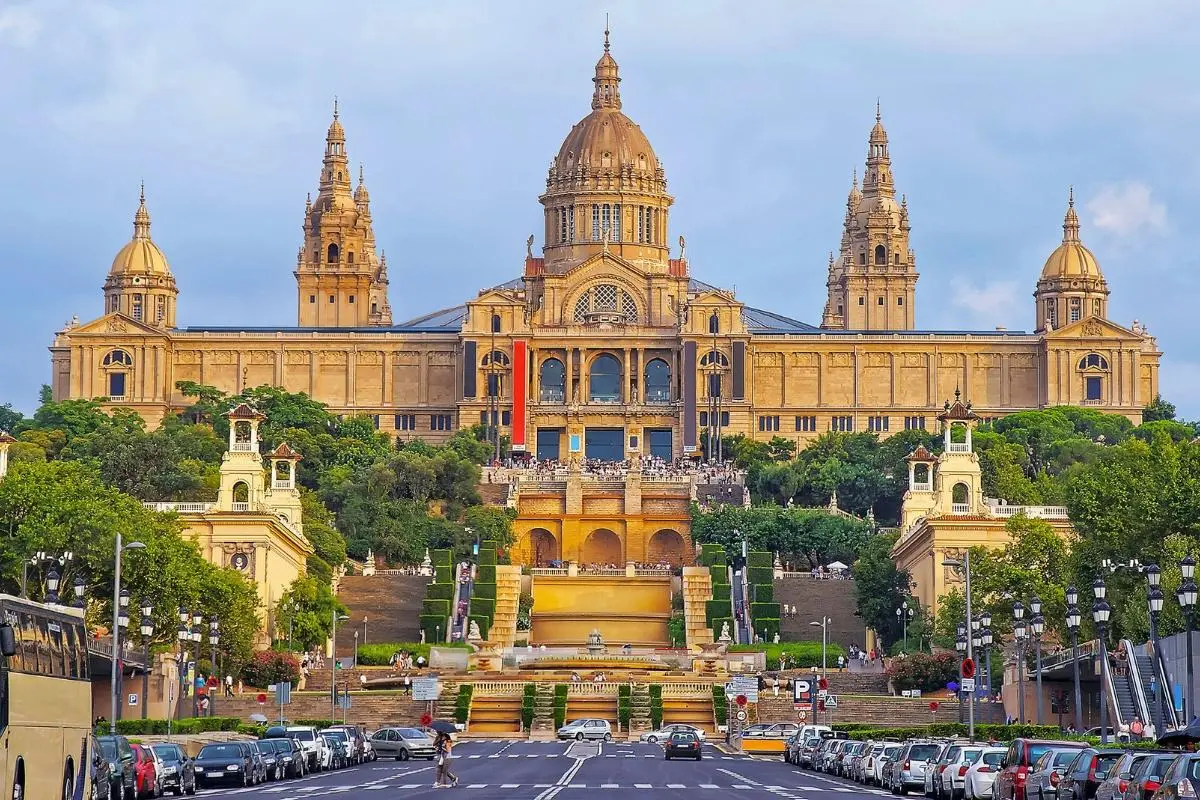
VAYCAI · ATTRACTION GUIDE
Montjuïc Mountain Visitor Guide
Montjuïc Mountain crowns Barcelona’s southwest edge with short hikes, gardens, and dramatic harbor views that stack neatly into a half-day or full-day urban adventure. Mix stepped trails and paved promenades with cultural stops—museums, terraces, and a 17th-century fortress—to combine easy exercise, scenery, and local history without leaving the city.
Explore experiences ↓Your guide to places, experiences, and adventures.
THE GOOD STUFF STARTS HERE
Experiences around Montjuïc Mountain

Barcelona, Spain
Private Montjuïc Photo Tour — Capture Barcelona’s Hilltop Gardens & Views
from $120.86USD

Barcelona, Spain
Barcelona Panoramic Tuk Tuk Tour: Sagrada, Seafront & Montjuïc in 3 Hours
from $26.99USD

Barcelona, Spain
Montjuïc Sunset eBike Tour: Sunset Views & Magic Fountain in Barcelona
from $83.97USD
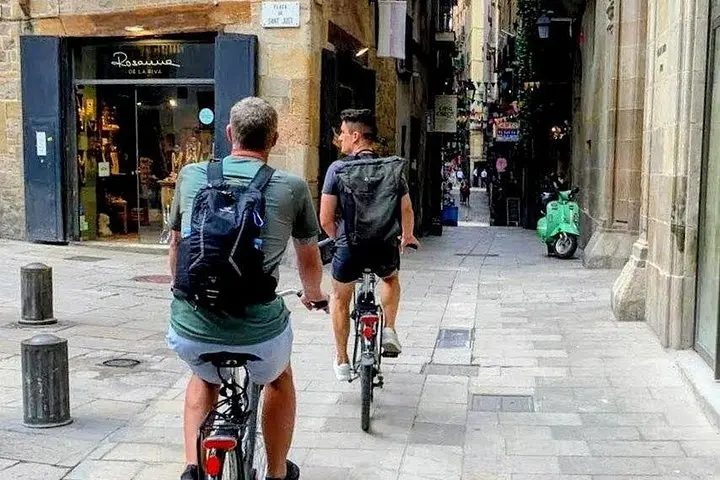


Barcelona, Spain
Montjuïc Hill Panoramic Segway Tour — Glide Barcelona’s Olympic Heights
from $82.77USD


Barcelona, Spain
Montjuïc Electric Bike and Sail: Barcelona Views from La Barceloneta to the Sea
from $179.94USD


Barcelona, Spain
Barcelona Photo Highlights eBike Tour — Sagrada Família to Montjuïc in 4 Hours
from $58.78USD
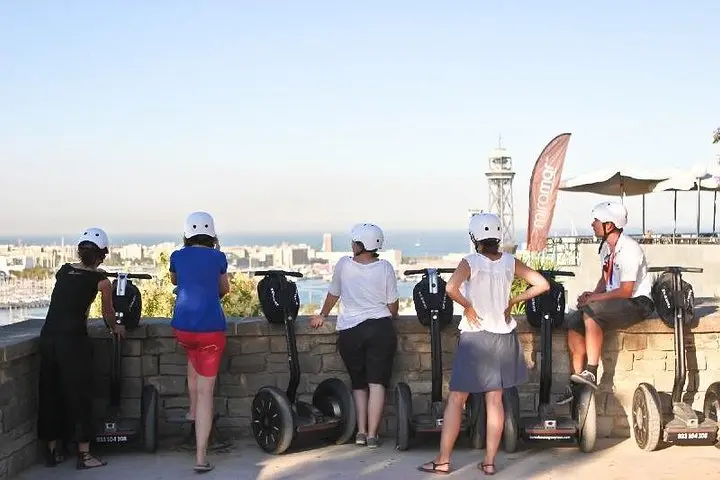
Barcelona, Spain
Montjuïc Panoramic Segway & e‑Bike Tour — Barcelona's Olympic Hill Views
from $53.98USD

Barcelona, Spain
Montjuïc Electric Bike Tour: Panoramic Views of Barcelona & Olympic Ring
from $53.98USD

Barcelona, Spain
Montjuïc Mountain Private Walking Tour: Castle, Cable Car & Olympic Ring
from $216.59USD

Barcelona, Spain
Electric Tuk-Tuk Welcome Tour of Barcelona: Private Photo-Friendly City Drive
from $28.43USD
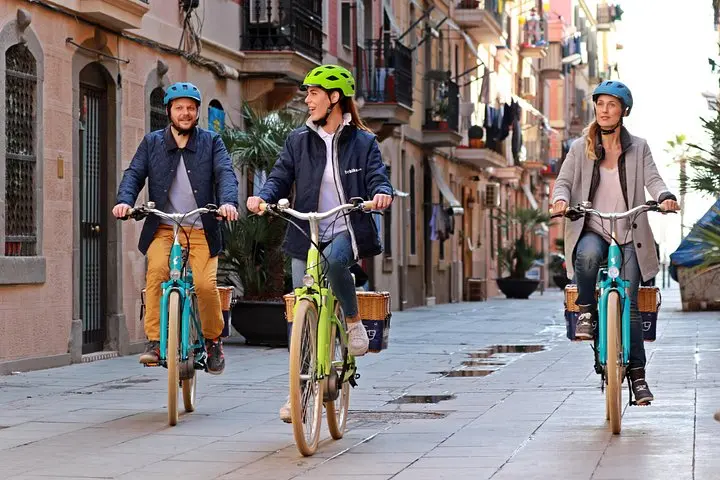

Barcelona, Spain
Barcelona E-Bike, Cable Car & Sailing Tour — Montjuïc to the Mediterranean
from $143.94USD

Barcelona, Spain
Ride Montjuïc and Tour Camp Nou: Private E‑Bike Experience in Barcelona
from $143.95USD

Barcelona, Spain
Eco Tuk Tuk Tour of Historic Barcelona — Private 1–4 Hour Electric City Tour
from $28.43USD

Barcelona, Spain
Barcelona E‑Bike, Cable Car & Sailing: City-to-Sea Half-Day Adventure
from $106.76USD


Barcelona, Spain
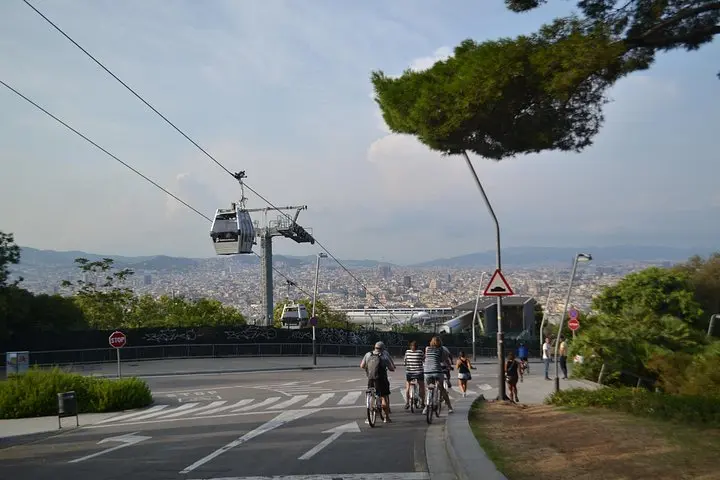
Montjuïc E‑Bike Experience: 3‑Hour Guided Electric Bike Tour in Barcelona
from $53.98USD
Listed starting prices may vary by option, travel date and group size. Confirm the final total and availability on Viator. Sponsored links: we may earn a commission from qualifying bookings.
STORIES WORTH GOING FOR
Stories from Barcelona
GET TO KNOW THE PLACE
Why Visit Montjuïc Mountain
You arrive by metro, and the city tilts beneath you. Stone steps and shaded alleys lead into terraces where pines lean toward the sea and the fortress watches over the harbor. It is a short, concentrated mountain—an urban ridge that invites walking, quick climbs, and views that reward modest effort.
Montjuïc is a geological knoll where human history and green space have layered over an old volcanic rise. Fortifications, gardens and 20th-century exhibition buildings squat on slopes that were once agricultural terraces; now palms and pine groves stitch together formal botanical plots and open grasslands. The mountain’s geology is gentle: short ascents and switchback roads rather than long alpine climbs, which makes it ideal for travelers who want elevation and panorama without a full day of wilderness travel. The air here often leans toward the harbor, nudging walkers into the sunlit lookout points in the late afternoon.
Culturally the mountain is stitched into Barcelona’s civic life. Museums and Olympic facilities sit alongside small community gardens and working athletic fields. The Castell de Montjuïc anchors the top—an austere stone presence and historical vantage that rewards a careful visit with wide views of the port and the city grid. A cable car and a pair of funiculars make access simple, but the best experiences still happen on foot: stair-lined lanes, paved trails, and hidden terraces ready for a picnic or a short nature break. Timing matters; early mornings are cool and quiet while late afternoons bring photographers and locals out to catch the light.
For practical planning, stack experiences: a morning uphill walk through the Jardins de Mossèn Cinto, a museum stop or two, and a fortress visit timed for sunset. Bring layers—winds from the sea can cool quickly—and plan transport back into town if you’ve timed a late evening. The mountain is compact enough to combine with coastal paddling or a city bike tour, so think in half-day modules: hike, culture, cable car, and harbor activities. That modularity makes Montjuïc an efficient addition to any Barcelona itinerary.
Get to know the place
Attractions worth a closer look.

ATTRACTION
Barcelona, Catalonia, Spain
Explore this place ↗
ATTRACTION
Port of Barcelona
Explore this place ↗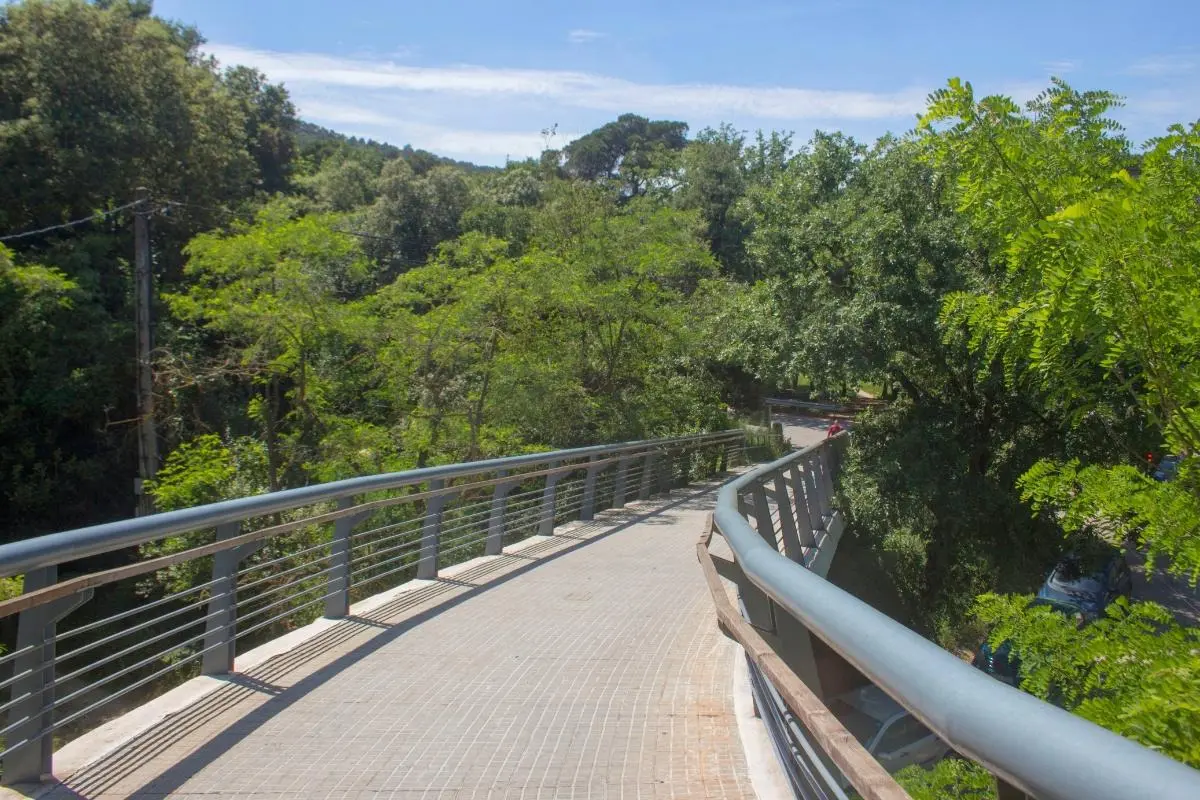
ATTRACTION
Collserola Park (Parc de Collserola)
Explore this place ↗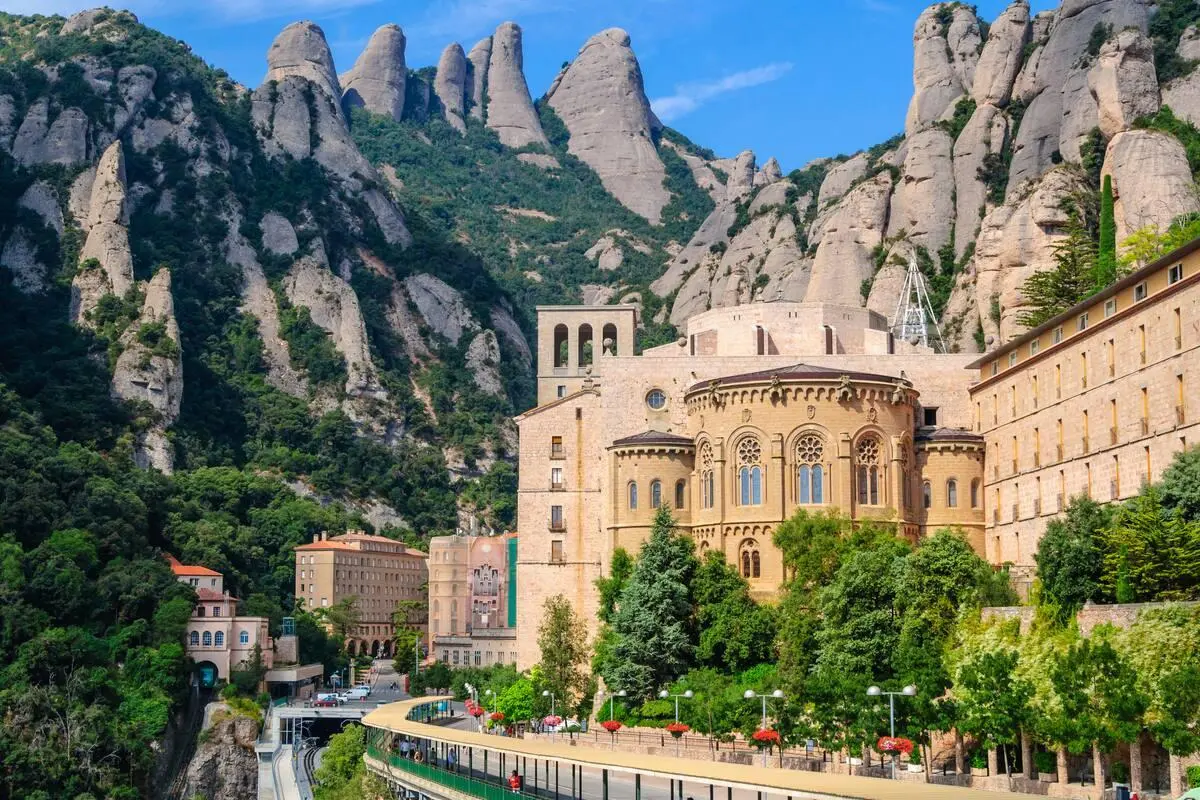
ATTRACTION
Montserrat Mountain
Explore this place ↗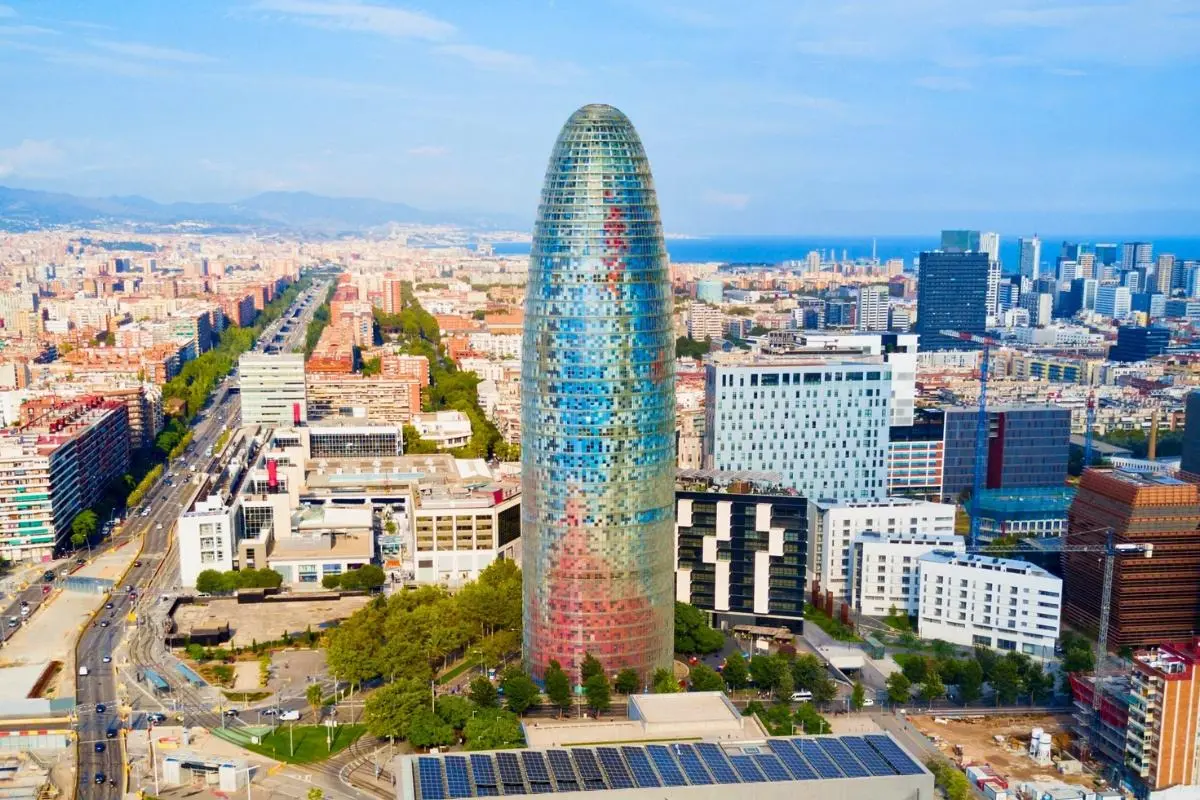
ATTRACTION
Torre Glòries
Explore this place ↗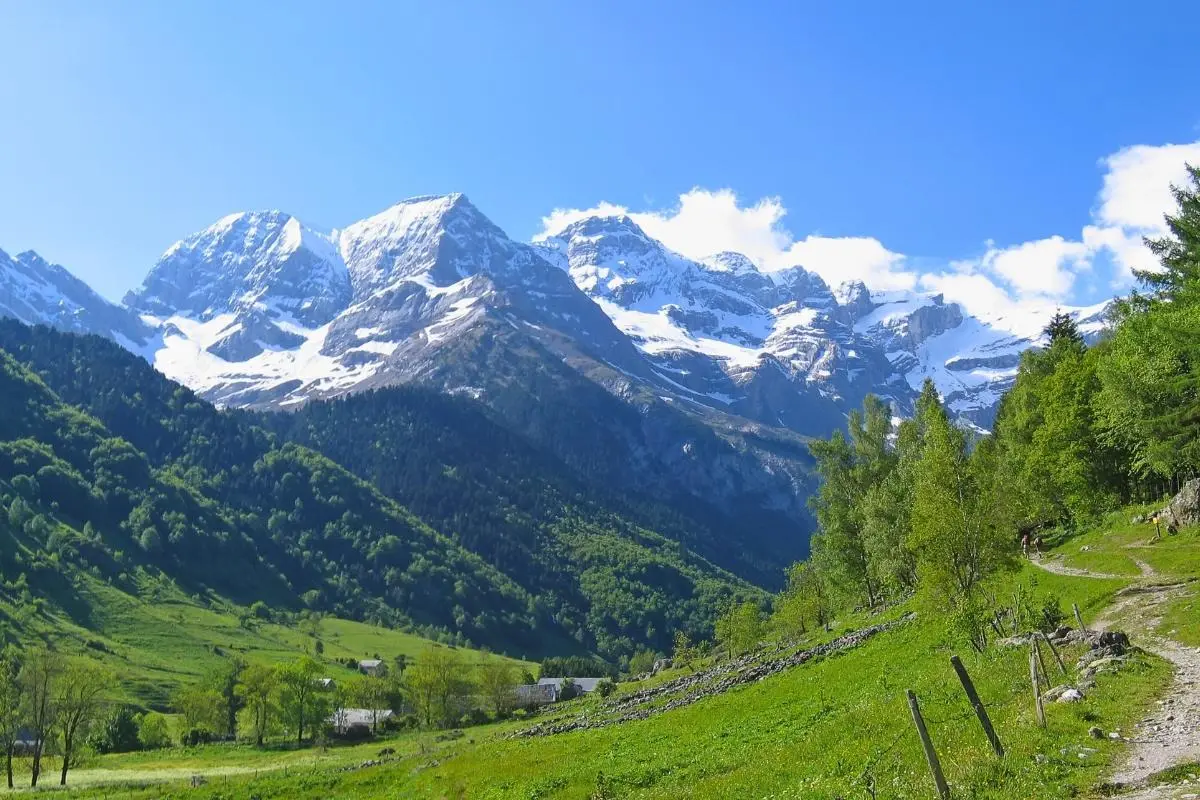
ATTRACTION
Pyrenees Mountains, Barcelona, Catalonia, Spain
Explore this place ↗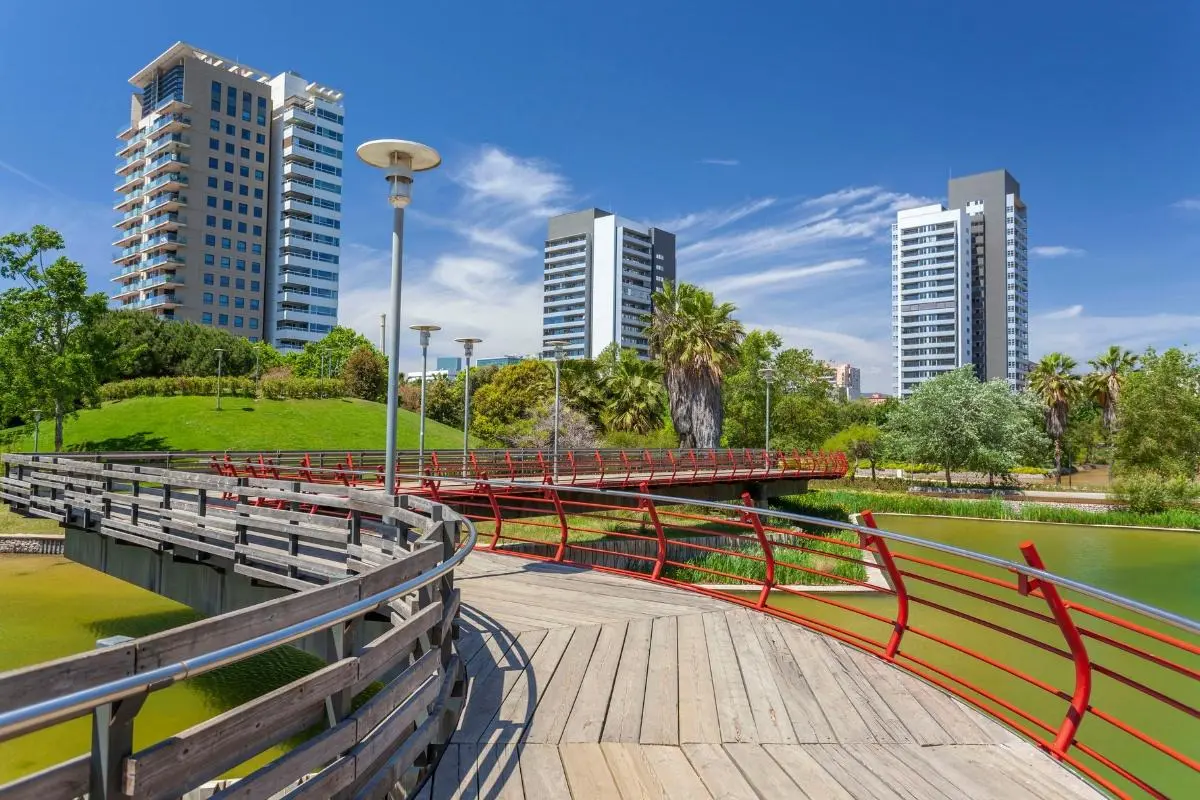
ATTRACTION
Diagonal Mar, Barcelona, Catalonia, Spain
Explore this place ↗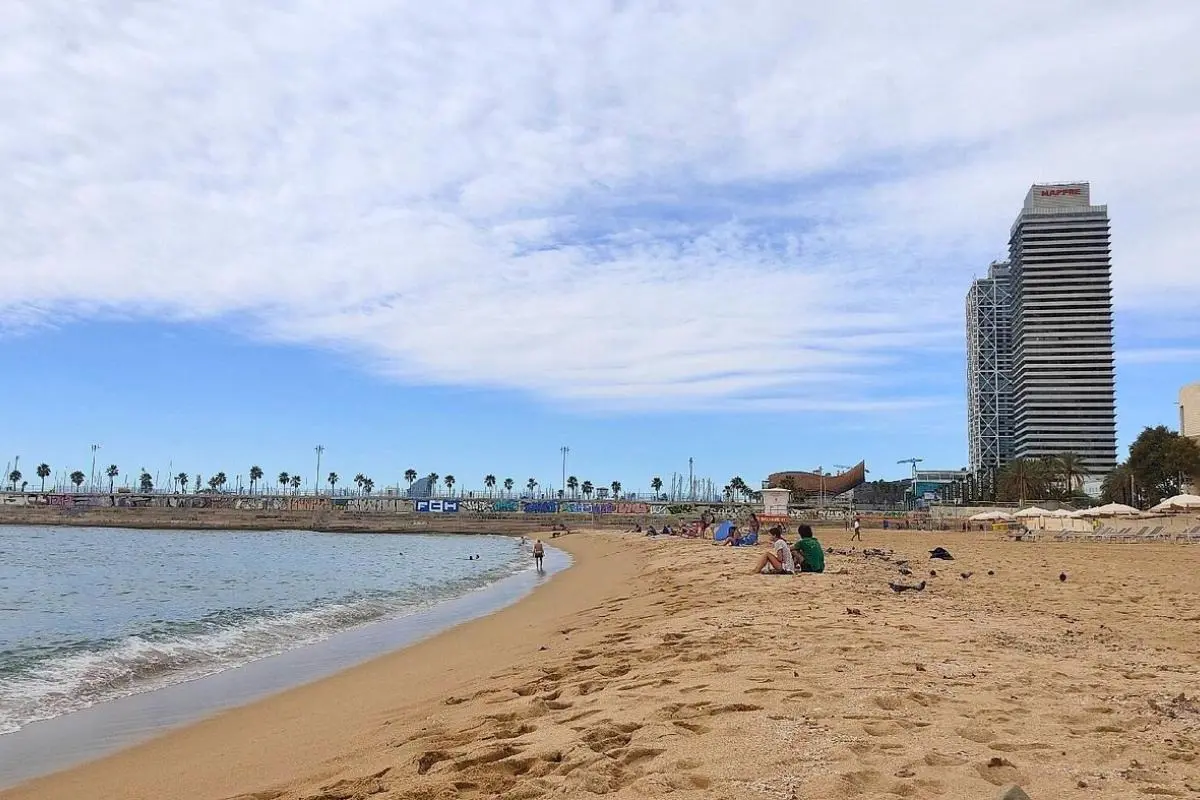
ATTRACTION
Nova Icaria Beach (Platja de la Nova Icaria)
Explore this place ↗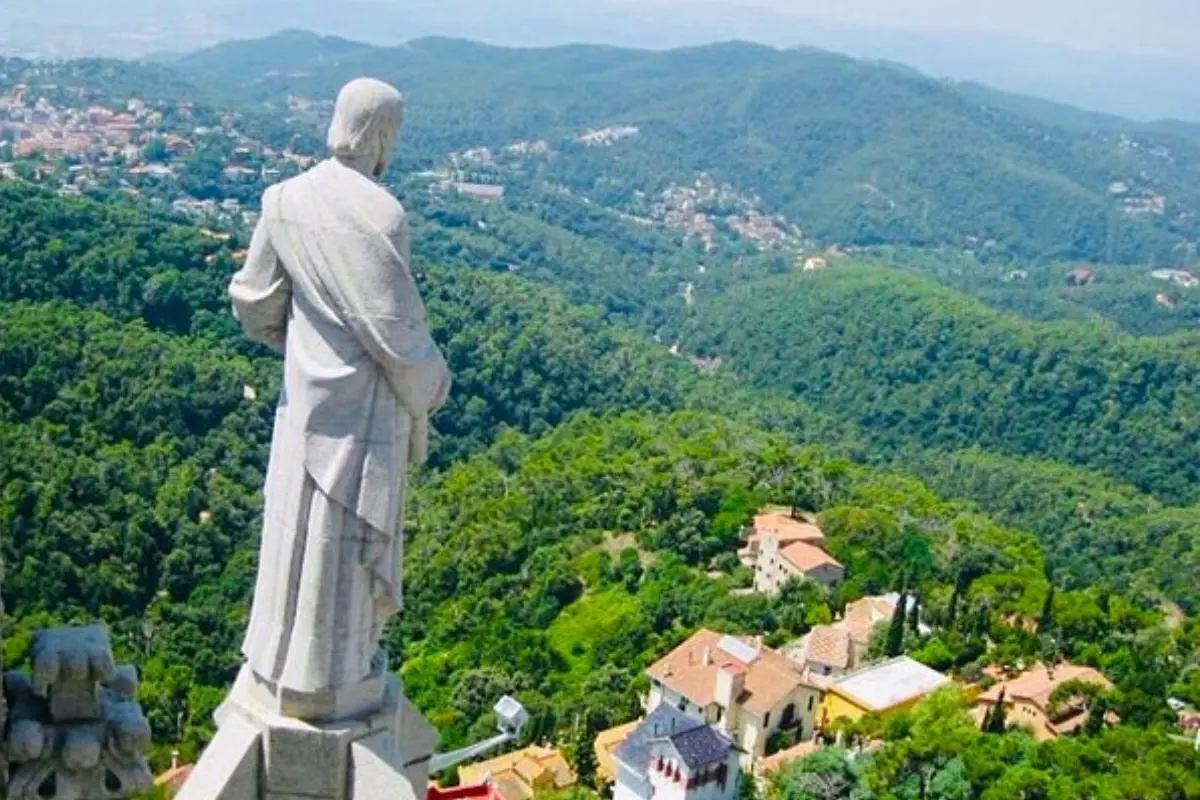
ATTRACTION
Mt. Tibidabo, Barcelona
Explore this place ↗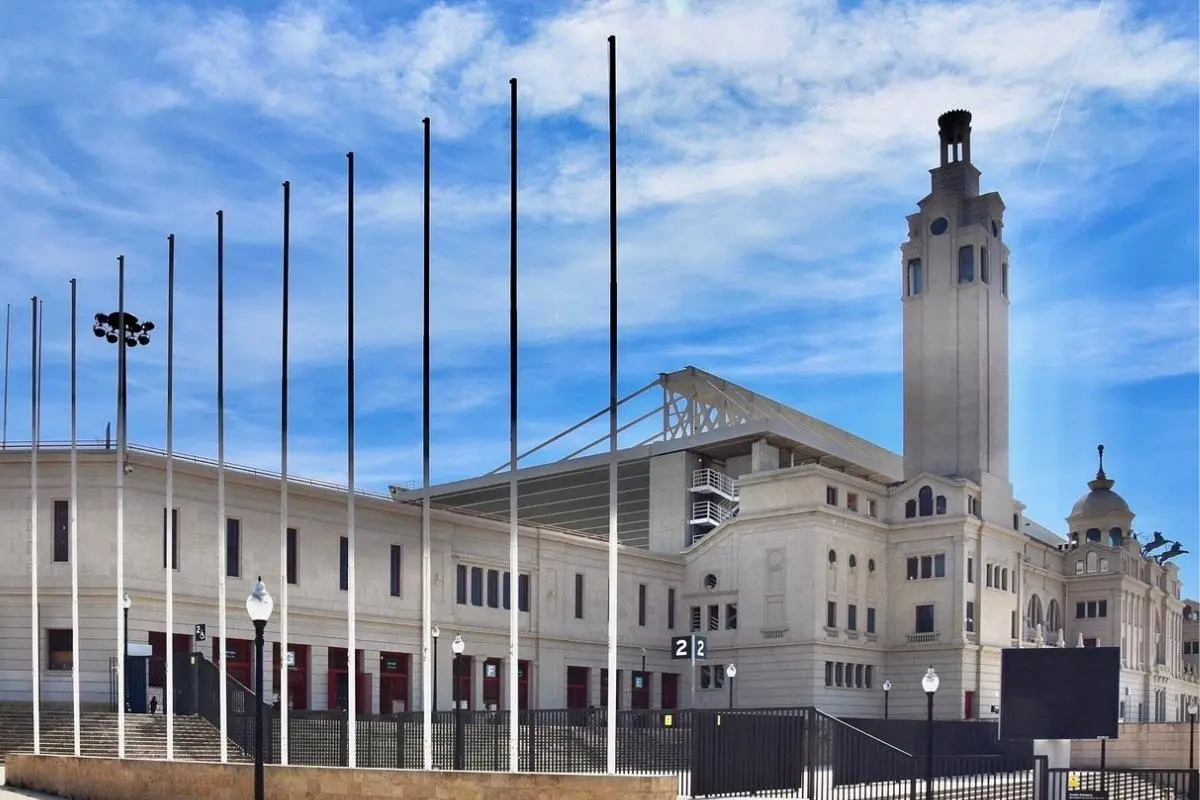
ATTRACTION
CaixaForum Barcelona
Explore this place ↗
ATTRACTION
Barceloneta Beach
Explore this place ↗PLAN YOUR VISIT
When to go.
Best months
May, June, September, October
Weather
Spring and fall offer the most comfortable temperatures and clear skies for walking and viewpoints; summers are warm with strong sun exposure while winters are mild but can be windy.
Peak season
The busiest period is summer (June–August), when daytime crowds and late sunsets make early starts and advance planning necessary; book guided visits or time-sensitive tickets ahead.
Beyond the peak
In winter and early spring you’ll find quieter spaces and better lodging rates; be mindful of wet or muddy patches on dirt paths and choose paved routes if conditions are sloppy.
PACK WITH PURPOSE
What to bring.
optional
- Binoculars for harbor and birdwatching
- Compact picnic kit
- Action camera
essential
- Light layers and windproof jacket
- Sturdy walking shoes or trail sneakers
- Water bottle or hydration system
- Sun protection (hat, sunglasses, SPF)
- Offline map or cached route on your phone
recommended
- Small daypack
- Rain shell (weather can change near the sea)
- Headlamp for early starts or late returns
- Hiking poles for extra stability on steps
FIND YOUR PACE
Choose your kind of adventure.
advanced
Advanced adventurers can push pace with interval hill training, technical urban runs, and long linked routes across city hills and the coastline.
- Fast uphill hill repeats on service roads
- Long urban trail runs linking Montjuïc to nearby ridges
- Multi-discipline days combining mountain ascent and harbor paddling
beginner
Short, paved promenades and gentle terraces make Montjuïc ideal for beginner walkers looking for views without technical terrain.
- Stroll through botanical and ornamental gardens
- Ride the cable car for panoramic views
- Visit the fortress and take easy viewpoint walks
intermediate
Intermediate visitors can stack steeper stair routes, longer perimeter walks and combine cultural stops with moderate cardio efforts.
- Run or hike mixed stone steps and paved trails
- Cycle the access road and explore service lanes
- Link the mountain with a coastal bike or walking route
BEFORE YOU GO
Your questions, answered.
Do I need a guide to visit Montjuïc?
No—Montjuïc is easy to explore independently, but a guide adds historical context, efficient routing and can arrange timed entries for museums or the fortress.
How long should I plan to visit?
Allow a half-day to hit the highlights (gardens, cable car, fortress); a full day lets you add museums, relaxed picnics, and a harbor activity.
Is Montjuïc suitable for mountain biking?
Some roads and wider paths are bike-friendly; narrow, stepped trails and formal gardens are not—choose a bike route that stays on roads and paved paths.
What’s the best way to get up the mountain?
Combine public transit (metro + funicular) with a cable car for views, or take a short scenic drive up the access road; walking from Poble-sec is straightforward and pleasant.
Are there safety concerns or closures to watch for?
Check for temporary closures around events, scheduled maintenance, and weather advisories; sections can close for festivals or restoration work.
Can I combine Montjuïc with water activities?
Yes—Montjuïc overlooks the harbor, and many travelers pair a mountain visit with paddling or coastal boat tours in Barcelona’s nearby waterfront.