
Loading the next place…
Gathering stories, stays, and experiences for you.
Loading the next place…
Gathering stories, stays, and experiences for you.

VAYCAI · ATTRACTION GUIDE
Tunnel Mountain is a compact, accessible summit that stacks perfectly with townside activities: a brisk hike up, coffee in Banff, then a scenic drive along the Bow Valley. Hikers pair the walk with river paddling, gondola rides, or an easy lakeside stroll to maximize a short day in the mountains without long transfers.
Explore experiences ↓Your guide to places, experiences, and adventures.
THE GOOD STUFF STARTS HERE

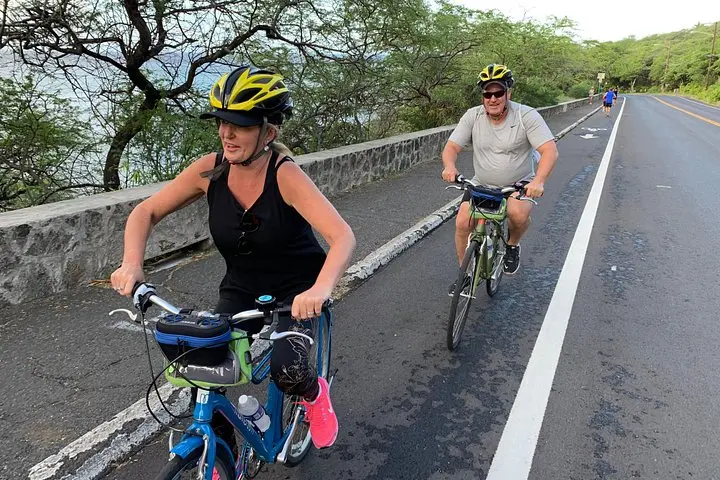
Honolulu, USA

Wellington, New Zealand

Featherston, New Zealand
Featherston, New Zealand
Wellington, New Zealand
Listed starting prices may vary by option, travel date and group size. Confirm the final total and availability on Viator. Sponsored links: we may earn a commission from qualifying bookings.
STORIES WORTH GOING FOR

Banff · Canada
Stretching along a glacial valley, Lake Minnewanka is Banff’s largest lake and a versatile playground for hikers, paddlers, anglers and photographers. Here’s how to read the landscape, plan your visit, and experience the lake like a local.
Read the story ↗
Banff · Canada
Step onto an ancient slab of compressed snow and meet a landscape in motion. The Columbia Icefield is a lesson in glacial power—accessible by Ice Explorer, Skywalk, and guided hikes—and a place where practical planning meets raw alpine theatre.
Read the story ↗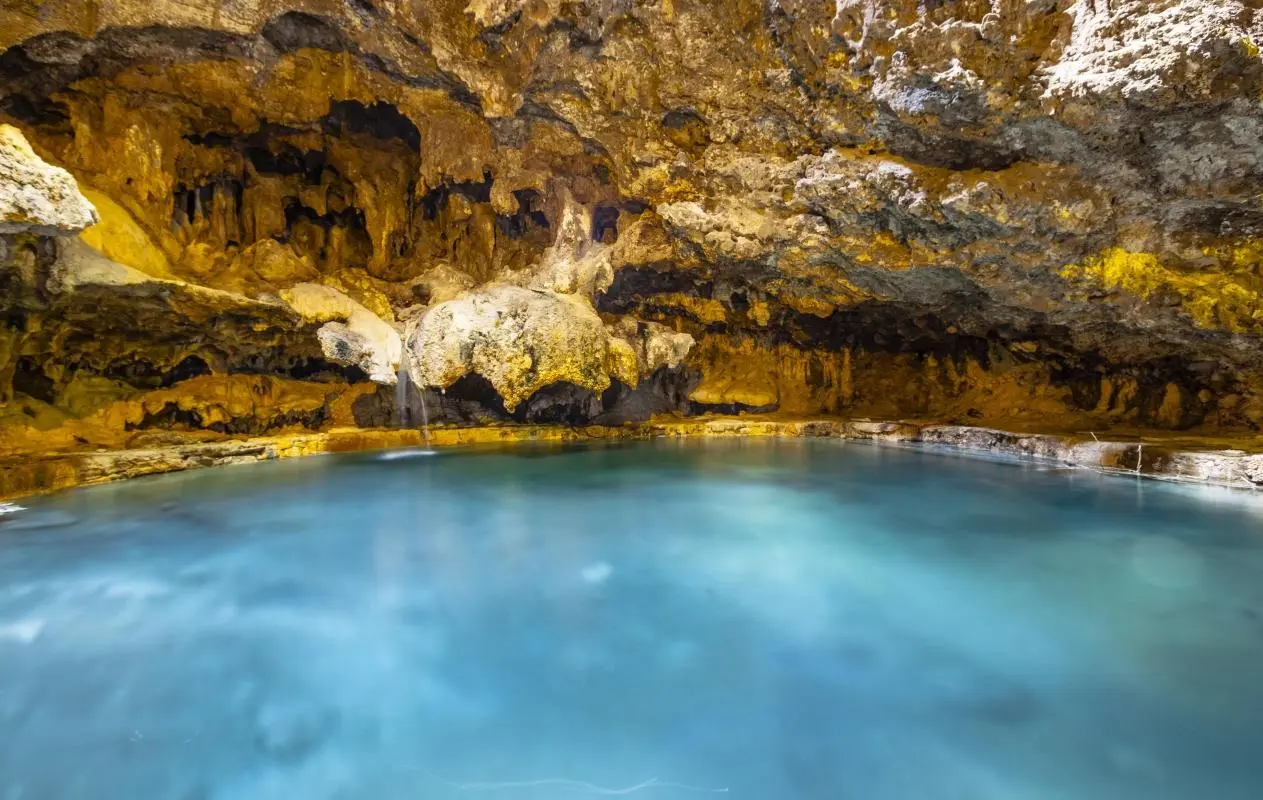
Banff · Canada
A compact, steamy oasis at the edge of Banff, Cave and Basin National Historic Site is where thermal springs met settlers’ curiosity and sparked Canada’s national parks movement. Walk the boardwalks, read the layered history, and learn how to see the landscape as both living science and cultural story.
Read the story ↗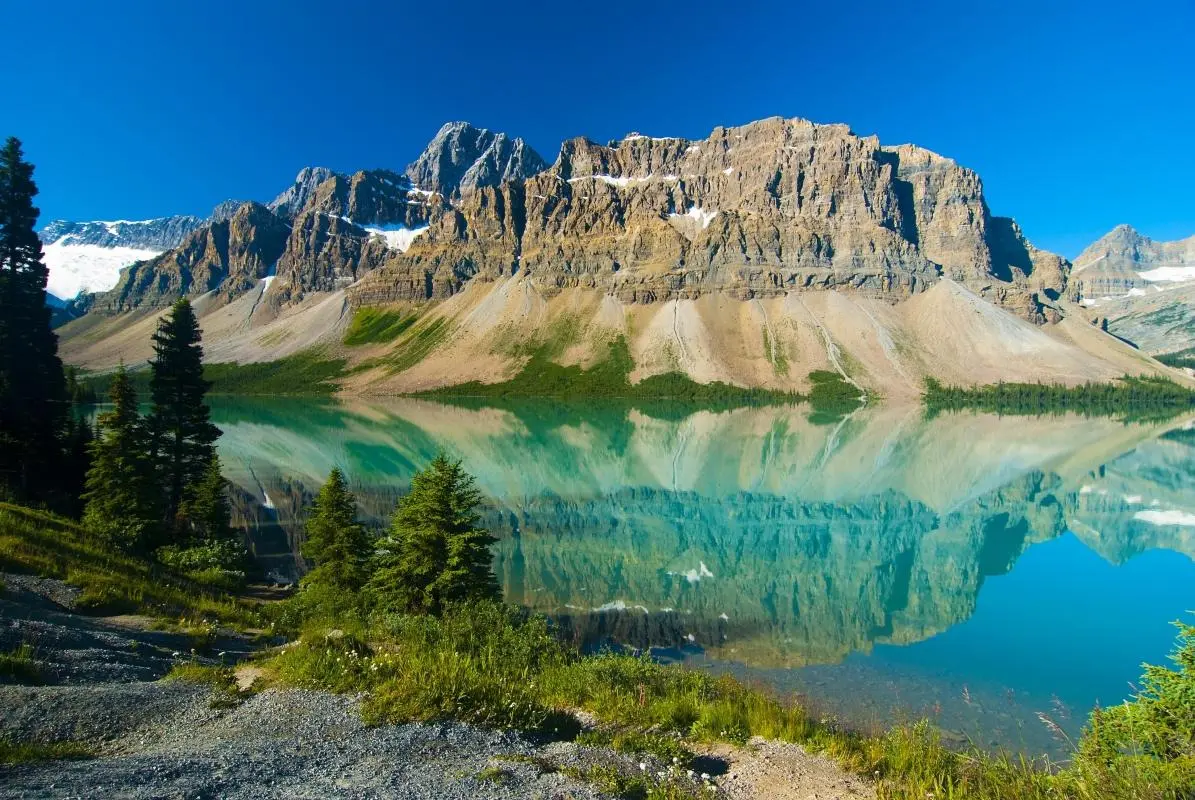
Banff · Canada
Bow Lake is a compact, glacier-fed jewel on the Icefields Parkway that delivers dramatic alpine scenery with short hikes, clear photographic light, and access to longer mountain routes — an ideal day trip from Banff.
Read the story ↗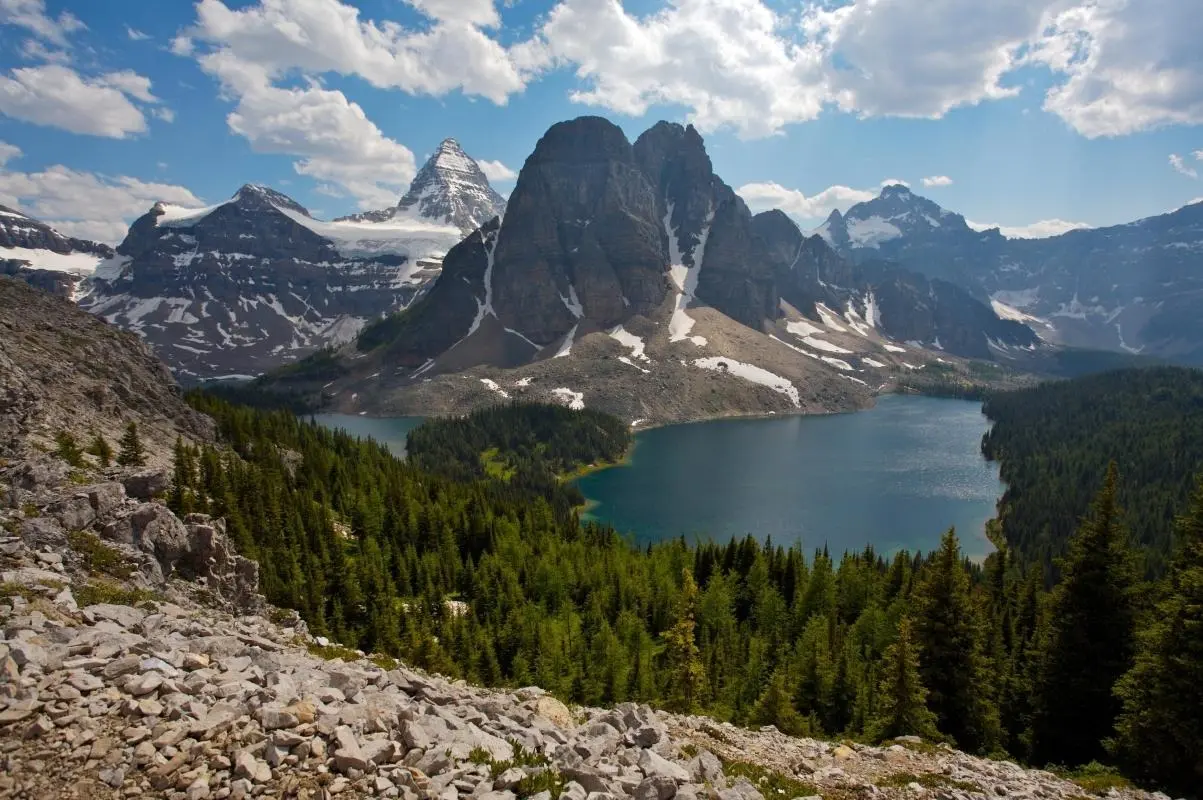
Banff · Canada
A compact, pyramidal titan at the edge of the Canadian Rockies, Mt. Assiniboine demands commitment but repays it with raw alpine panoramas, wildflower-strewn meadows and a backcountry experience that feels rare in today’s world.
Read the story ↗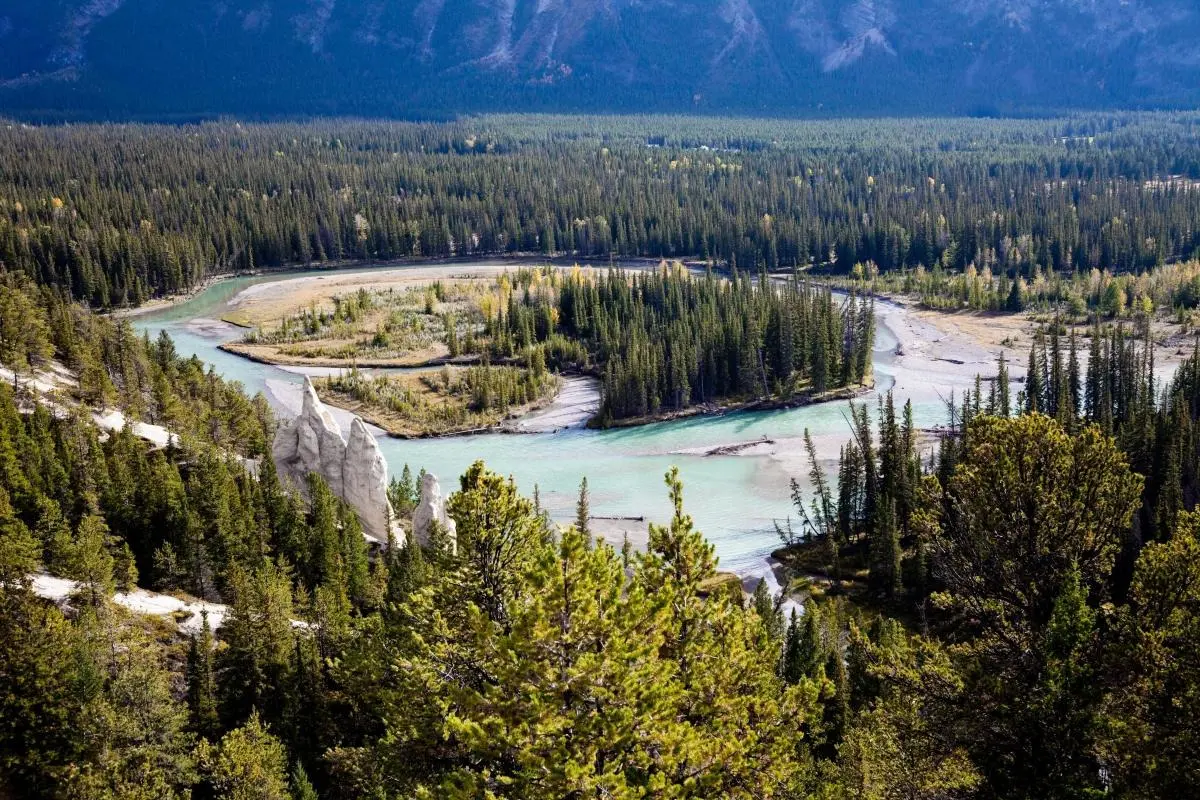
Banff · Canada
A short ridge above Banff that rewards small effort with sweeping valley views, close wildlife encounters, and easy access by foot or e-bike. Tunnel Mountain Drive is a compact introduction to the Canadian Rockies with big returns for minimal exertion.
Read the story ↗GET TO KNOW THE PLACE
The trail begins like a promise: trees leaning in to shade the first switchbacks, the town below slowly shrinking as the ridgeline holds you higher. It’s a short, energized climb that rewards hikers with a compact summit and a broad panorama of peaks, river bends, and the grid of Banff. For travelers with limited time, Tunnel Mountain is a coin of experience—small in effort, large in payoff.
Tunnel Mountain sits on the doorstep of Banff National Park and carries a straightforward history tied to early railway and park development. Its name nods to an early railway survey that once considered tunneling through the rock; the tunnel never happened, but the route became a natural landmark. The mountain is limestone and shale, shaped by ice and time, and the ridge offers a readable cross-section of the Bow Valley’s glacial past. Trees here are patient—lodged on slopes and nudging hikers through cool shade on sunny days.
The trail itself is deceptively simple: well-trodden switchbacks through subalpine forest lead to an exposed crest and a modest rock summit. That accessibility is part of its cultural value—locals and visitors alike use Tunnel Mountain as a quick fitness loop, a sunrise vantage point, or a gentle introduction to mountain hiking for families. Timing matters: early morning light softens the peaks and eases crowds, while late afternoon can bring sudden summer storms rolling up the valley. Because the hike sits mere minutes from Banff’s main street, it stacks easily with other experiences—grab a coffee after the descent, paddle on the Bow River, or head to a nearby picnic spot.
Planning practicalities are simple but important. Park vehicle zones and shuttle options in Banff affect where you start; a short walk from town gets most people onto the trailhead. Footwear with modest traction, layers for wind on the summit, and an offline map or park brochure are all you need for a safe outing. For photographers and families, the summit’s compact footprint makes social distancing easier than on longer routes, and the ridgeline’s exposure gives wide-angle views without technical scrambling. If you’re stacking the day—hike, lunch, scenic drive—allow for flexibility: weather and wildlife sightings often alter the best-laid plans in the mountains.
PLAN YOUR VISIT
May, June, July, August, September
Late spring through early fall provides the most consistent hiking conditions, though afternoons can bring thunderstorms in summer and snow can linger into spring. Winters are cold and snowy, turning the route into a snowshoe or winter-hike experience for prepared visitors.
Mid-June through August is busiest, with the heaviest visitor numbers on summer weekends; plan to start early, book nearby lodging ahead, and expect limited parking close to trailheads.
Shoulder seasons offer quieter trails, softer light, and lower rates; be mindful of muddy trails in spring and icy patches after freeze-thaw cycles—microspikes or poles may be needed.
PACK WITH PURPOSE
FIND YOUR PACE
While the route itself is not technical, advanced users can link it into longer mountain traverses or use it as a fast-access viewpoint for alpine photography.
A short, well-marked trail with modest elevation gain that’s accessible to most active beginners.
A quick, punchy climb that intermediate hikers use to warm up for longer outings or to stack multiple activities in a day.
BEFORE YOU GO
Plan 45 minutes to 1.5 hours round trip depending on pace, stops, and fitness; allow more time for photos or lingering at the summit.
Most visitors hike it self-guided—trail is well-marked—but guided options add history, wildlife safety briefing, and local insights if you prefer structured interpretation.
Families with older kids manage the hike well; dogs are common but must follow park regulations and be under control—check current park rules for leash requirements.
Keep distance, make noise when visibility is limited, carry bear-aware supplies if venturing farther into the park, and follow park guidance for sightings.
Many trailheads are a short walk from Banff’s main streets; driving is possible but parking can be limited at peak times—consider walking or a local shuttle if available.
Yes—its proximity to town makes it easy to combine with canoeing, a gondola ride, scenic drives, or a lakeside picnic without long transfers.