Vancouver, Canada
Vancouver Family Tour for Kids: Stanley Park, Granville Island & Science World
from $274.50USD
VAYCAI · ATTRACTION GUIDE
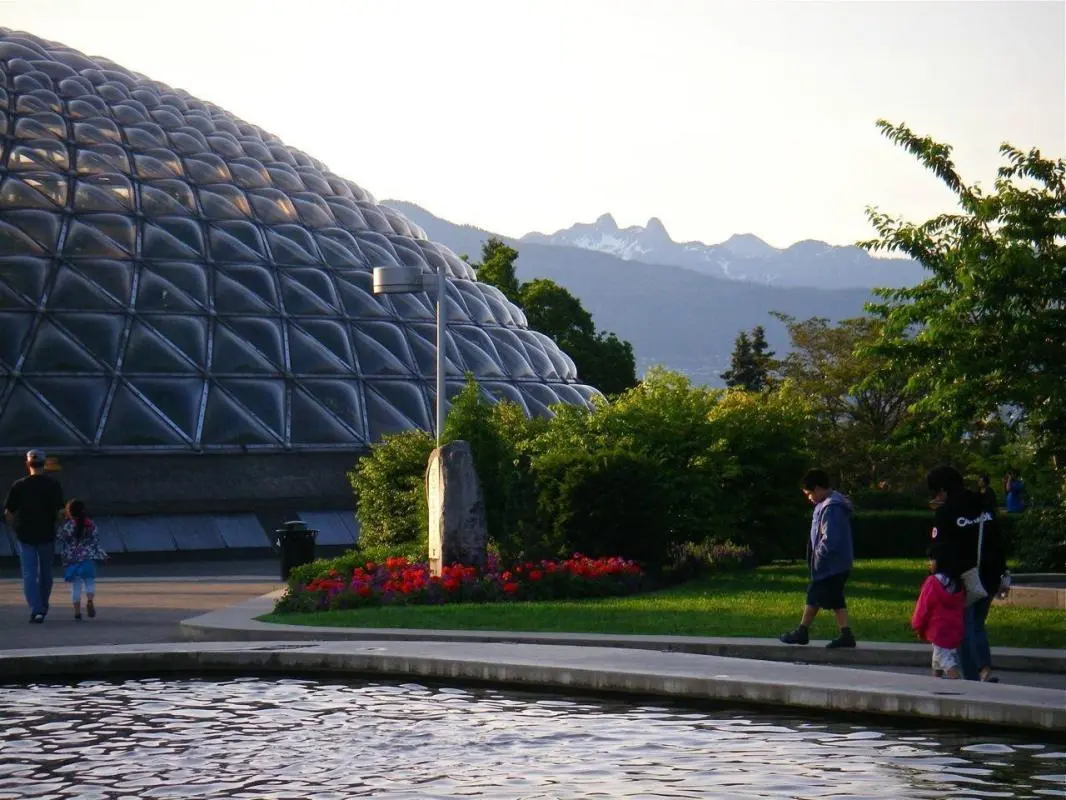
Step inside Bloedel Conservatory to trade Pacific Northwest rain for humid, plant-thick air and a dozen species of free-flying birds. Stack a short conservatory visit with hilltop views at Queen Elizabeth Park, a spin along the nearby Arbutus Greenway, and a waterfront stretch on the Seawall for a layered urban-nature day.
Explore experiences ↓Your guide to places, experiences, and adventures.
THE GOOD STUFF STARTS HERE
Vancouver, Canada

Vancouver, Canada


Vancouver, Canada

Vancouver, Canada

Listed starting prices may vary by option, travel date and group size. Confirm the final total and availability on Viator. Sponsored links: we may earn a commission from qualifying bookings.
STORIES WORTH GOING FOR
GET TO KNOW THE PLACE
Tucked on the crown of Queen Elizabeth Park, Bloedel Conservatory feels like a tropical pocket in the middle of the city. The dome shelters a curated collection of palms, orchids, and hummingbirds, and the surrounding park delivers elevated views and easy walking loops. It’s a compact nature fix that fits between flights, meetings, or longer West Coast adventures.
Walk through the conservatory and you’ll notice the air change—the humidity wraps around you, and plants that usually live in distant climates seem at home. The dome was built to be both educational and restorative; it’s the sort of place where birds dart like punctuation marks and bromeliads hold a miniature ecosystem of their own. Nearby, the park’s terraces and quarry garden give you an immediate contrast: manicured lawns, sculptural viewpoints, and rockwork that anchors the site to Vancouver’s glacially scoured topography. Together the dome and park offer a short-form nature immersion that’s easy to schedule into a half-day itinerary.
Historically, Queen Elizabeth Park sits on what was once a quarry—stone cut from these slopes helped build parts of the city—and the conservatory is the modern, living capstone. Geologically the region is shaped by coastal mountains and the ocean’s steady negotiation, so even casual walks expose you to changing plant communities and sweeping skyline sightlines. Culturally, the site is popular with both locals and visitors for its accessibility and photo-ready vistas. Timing matters: mornings are quieter and light is cleaner for photography, while late afternoons carry a warm glow on the lawns. If you’re stacking this stop with outdoor activity, plan short route transitions—conservatory visit, park loop, then a bike or paddling session on the Seawall or False Creek.
From a logistics standpoint, the conservatory makes a practical anchor for urban nature days. It’s a short visit that pairs well with transit, rental bikes, or a quick rideshare; you can combine it with other Vancouver highlights without committing to long travel times. For families and less-mobile travelers it’s especially friendly: defined paths, benches, and nearby amenities make the outing low-stress. For active travelers, use the conservatory as a warm, humid counterpoint to the cooler, wind-exposed Seawall or the sweat of a longer hike north of the city. Pack layers and plan to pivot if weather changes; Vancouver’s skies can shift and the city’s outdoor options respond well to simple timing adjustments.
Get to know the place




PLAN YOUR VISIT
May, June, July, August, September
Spring through early fall offers the mildest and driest conditions for combined outdoor activities; expect cooler, wetter weather in late fall and winter. The conservatory itself is warm and humid year-round.
Summer months (June–August) are busiest; plan to arrive early in the day, book nearby activities in advance, and expect more families and tour groups.
Winter and shoulder seasons bring quieter parks and lower rates for accommodations; be mindful of muddy paths and heavier rain—choose paved routes and park-proximate activities.
PACK WITH PURPOSE
FIND YOUR PACE
Longer, more demanding outdoor days that use the conservatory as an urban anchor between full wilderness outings.
Short, low-effort activities ideal for families, casual travelers, and anyone looking for an easy nature stop within the city.
A mix of active and cultural experiences that require moderate fitness and basic gear.
BEFORE YOU GO
Most visitors spend 30–60 minutes inside the dome; allow extra time to explore Queen Elizabeth Park and viewpoints if stacking experiences.
The conservatory and major park paths are designed to be accessible, but check specific facility accessibility details if you have mobility concerns.
Yes—combine a short conservatory visit with a bike ride on the Arbutus Greenway or a Seawall route; paddling on False Creek is also a convenient afternoon option.
No—self-guided visits work well, but a local guide can add depth for birdwatching, horticulture, or multi-activity logistics.
The conservatory is a perfect rain pivot; otherwise bring a rain shell and favor paved or sheltered routes like the Seawall or urban greenways.
Queen Elizabeth Park and the conservatory are served by bus routes and have nearby parking, but transit or a short rideshare is often easiest from the city center.