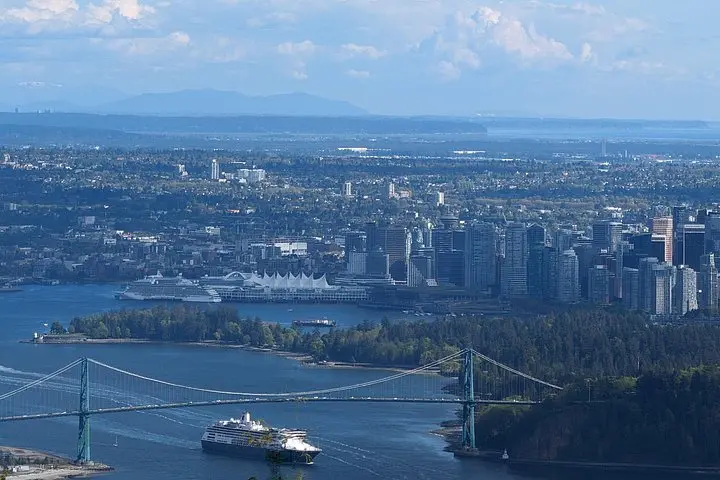
Vancouver, Canada
Private Vancouver City Tour — Stanley Park, Gastown & Grouse Mountain
from $240.42USD

VAYCAI · ATTRACTION GUIDE
Perched above the city, Grouse Mountain stacks fast alpine access, short-but-steep fitness hikes, and a year-round lift that turns a Vancouver day into a summit escape. Pair a morning ridge hike with an afternoon gondola ride, wildlife viewing, and an evening skyline watch to make a full-day loop without long transfers.
Explore experiences ↓Your guide to places, experiences, and adventures.
THE GOOD STUFF STARTS HERE
Vancouver, Canada

Vancouver, Canada

Vancouver, Canada

Vancouver, Canada

Vancouver, Canada


Vancouver, Canada

Vancouver, Canada
Vancouver, Canada

Vancouver, Canada

Vancouver, Canada
Vancouver, Canada

Vancouver, Canada

Vancouver, Canada

Vancouver, Canada

Vancouver, Canada

Vancouver, Canada
Vancouver, Canada


Vancouver, Canada
Vancouver, Canada

Vancouver, Canada

Vancouver, Canada
Listed starting prices may vary by option, travel date and group size. Confirm the final total and availability on Viator. Sponsored links: we may earn a commission from qualifying bookings.
STORIES WORTH GOING FOR
GET TO KNOW THE PLACE
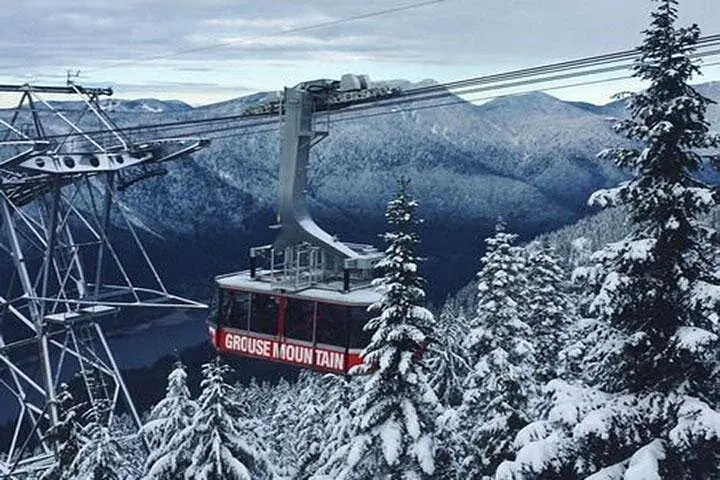
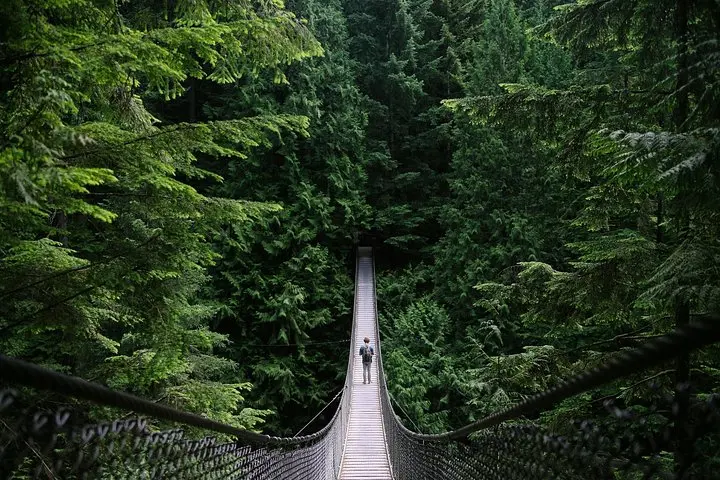
Stand on a ridgeline that watches the city breathe below; the air is cooler up top and the views demand a pause. Grouse Mountain condenses mountain time—steep trails, accessible lift service, and seasonal alpine activities—making it an ideal day-trip for travelers based in Vancouver who want big scenery without long drives.
You arrive by quick road or public transit and the landscape changes: the forest tightens, the conifers lean toward the ridge, and the wind seems to nudge you forward. Geologically the mountain is part of the North Shore range, a mix of ancient bedrock and glacially carved slopes that hold the high-country pocket above Burrard Inlet. Historically the area has long been a gathering place for local communities and a practical recreation site for the city; today the mountain balances recreational infrastructure with patches of raw alpine terrain. The ground here can be forgiving in summer and sharp in winter; read the scene and pick a route to match your comfort.
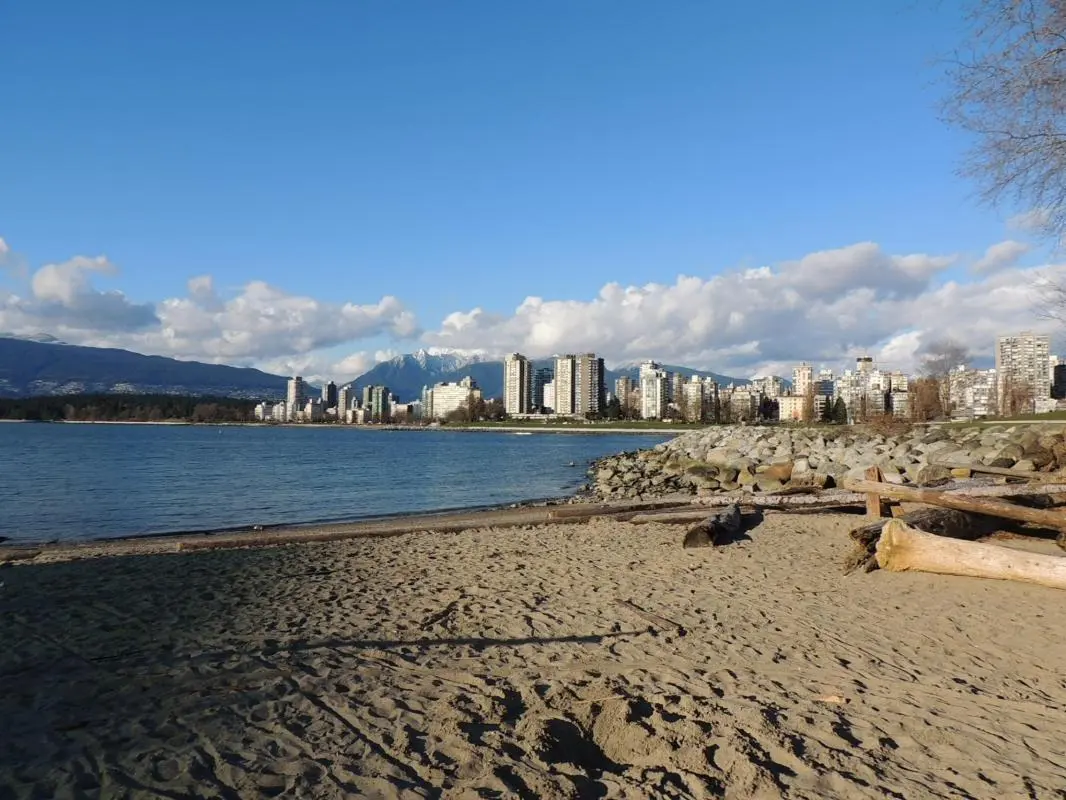
Culture around the mountain is a mix of fitness culture and family recreation. Locals come to test themselves on steep climbs, while visitors take the lift for effortless summit time and sweeping perspectives over downtown Vancouver, the harbor, and distant peaks. Timing matters: early mornings clear the haze and reduce crowds, while late afternoons deliver long light for photos. If you plan to stack experiences—an uphill effort, a gondola descent, and an evening lookout—build in buffer time for queues and changing weather. Carry rain protection even on sunny mornings; storms can roll in quickly from the coast.
From a practical planning perspective, access is straightforward and travel distances are short, which makes single-day itineraries entirely doable. Prioritize based on conditions: on dry summer days consider a strenuous trail for steady elevation gain and a rewarding summit vantage; on wet or snowy days opt for lift access and guided activities like snowshoeing or a skills clinic if available. Keep logistics simple: book lift or guided slots in advance during busy months, plan transit or parking ahead of time, and leave room for spontaneous viewpoints. The mountain offers variety without the need to commit to multi-day travel, which is why it’s a smart addition to a Vancouver-focused adventure itinerary.
Get to know the place




PLAN YOUR VISIT
May, June, July, August, September
Late spring through early fall offers the most stable hiking weather and long daylight; summer brings clearer trails but also occasional afternoon coastal storms. Winter delivers snow at higher elevations and changes the activity mix to skiing and snowshoeing.
Summer months are the busiest for visitors and locals; if you want quieter summit time, plan early morning starts, midweek visits, or shoulder months and book lift or guided activities in advance.
Winter and early spring provide value for snow activities and dramatic low-light vistas, but trails can be icy or muddy; use traction and choose routes that match conditions.
PACK WITH PURPOSE
FIND YOUR PACE
Advanced outings include technical approaches, fast ascents, and winter backcountry travel that demand route-finding and specialized gear.
Beginner-friendly outings focus on short summit access and easy loops with panoramic viewpoints and interpretive exhibits.
Intermediate visitors can expect steeper trails, longer climbs, and mixed-terrain ridge walks that reward effort with broader views.
BEFORE YOU GO
You can visit independently for hiking and viewpoints or book a guide for technical activities and safety instruction; guided options are recommended for winter backcountry or technical climbing.
Plan for a half- to full-day depending on how many experiences you stack—a steep hike plus lift time and viewpoint stops commonly fills a full day with breaks.
Yes, public transit reaches the base area and is a practical option to avoid parking issues; check schedules for return trips if you plan an early start or late finish.
Check weather and trail conditions, bring layers and traction in wet or icy seasons, carry water and an offline map, and respect posted closures and wildlife areas.
Dog policies vary by route and operational zones; many trails allow dogs but some summit facilities have restrictions—confirm rules before you go and keep pets leashed.
Have a plan B such as lift access or indoor attractions, pack waterproof layers, and be prepared to shorten the outing if visibility or footing deteriorates.