Loading the next place…
Gathering stories, stays, and experiences for you.
Loading the next place…
Gathering stories, stays, and experiences for you.
VAYCAI · ATTRACTION GUIDE
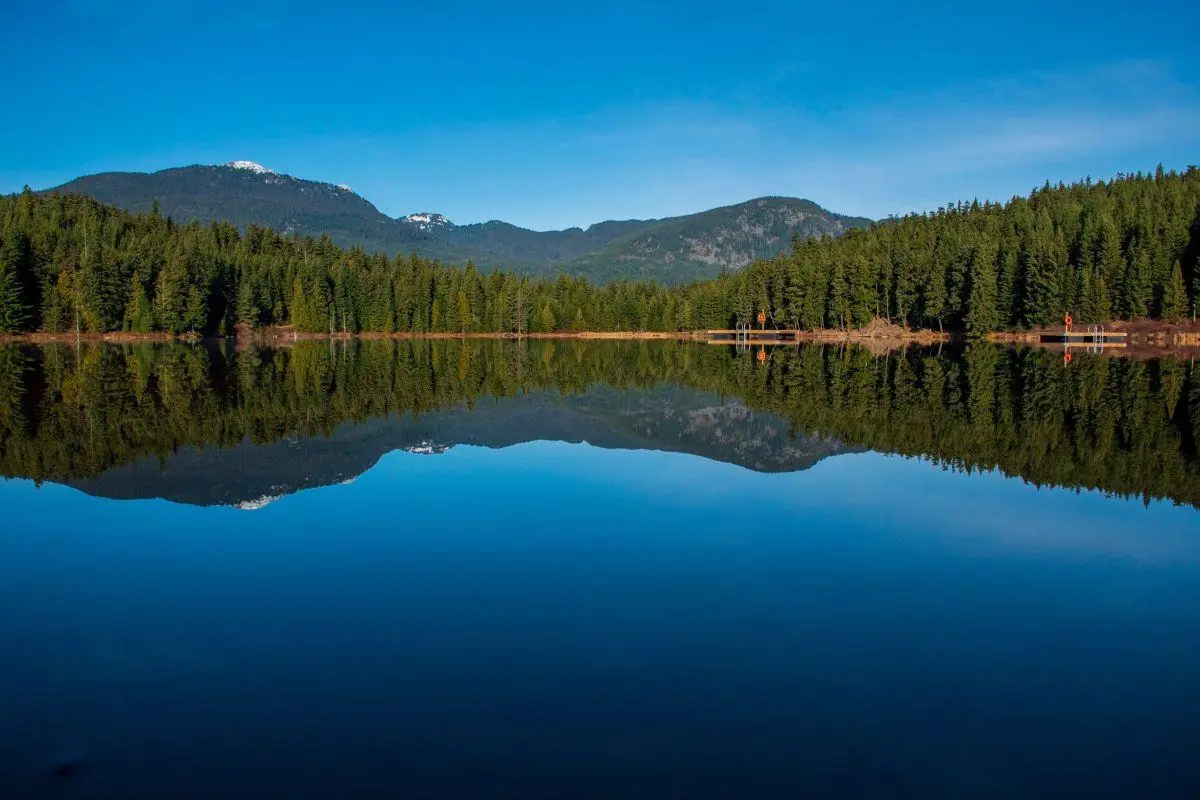
Lost Lake is a compact, year-round outdoor hub where easy forest loops, protected swimming beaches, and beginner-friendly mountain-bike trails stack into a half-day or full-day outing. Pair a morning lap around the lake with an afternoon on nearby singletrack or a scenic gondola ride for alpine views—logistics are simple and most activities are within a short walk or shuttle from Whistler Village.
Explore experiences ↓Your guide to places, experiences, and adventures.
THE GOOD STUFF STARTS HERE

Whistler, Canada

Rabaçal, Portugal

Rotorua, New Zealand

Whistler, Canada

Stepantsminda, Georgia


Whistler, Canada

Listed starting prices may vary by option, travel date and group size. Confirm the final total and availability on Viator. Sponsored links: we may earn a commission from qualifying bookings.
STORIES WORTH GOING FOR
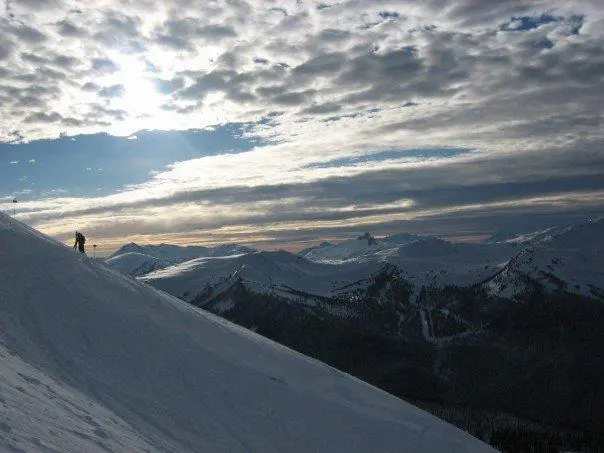
Whistler · Canada
Whistler-Blackcomb compresses an entire mountain range’s worth of experiences into one compact base—gondolas, glaciers, seaplanes and backcountry motor tours. Here’s how to map a short trip that maximizes views, action and local flavor.
Read the story ↗
Whistler · Canada
From cobblestone lanes to gondola-slung ridgelines, Whistler Village is a compact, year-round gateway to alpine adventure. Read on for practical routes, seasonal strategy, and insider tips to make the most of a mountain-stalked village.
Read the story ↗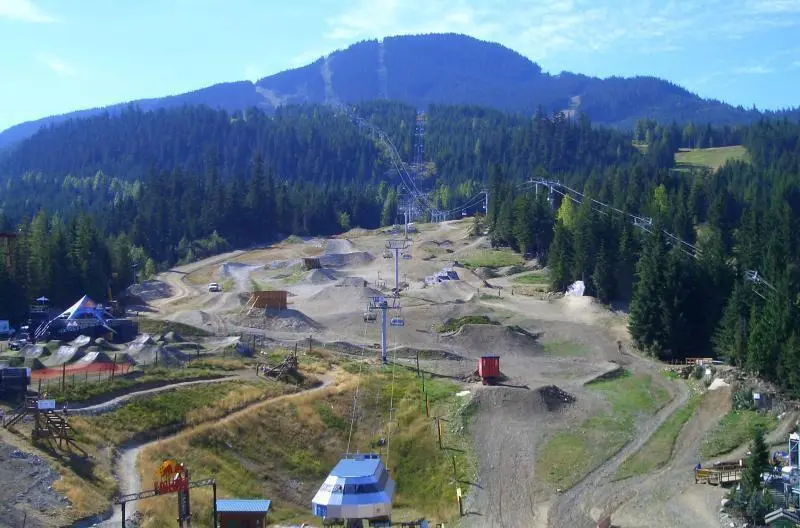
Whistler · Canada
A lift-accessed mountain biking mecca where gravity is the engine and the terrain is the teacher—Whistler Mountain Bike Park condenses experience into every downhill. Read on for what to expect, how to prepare, and where to ride.
Read the story ↗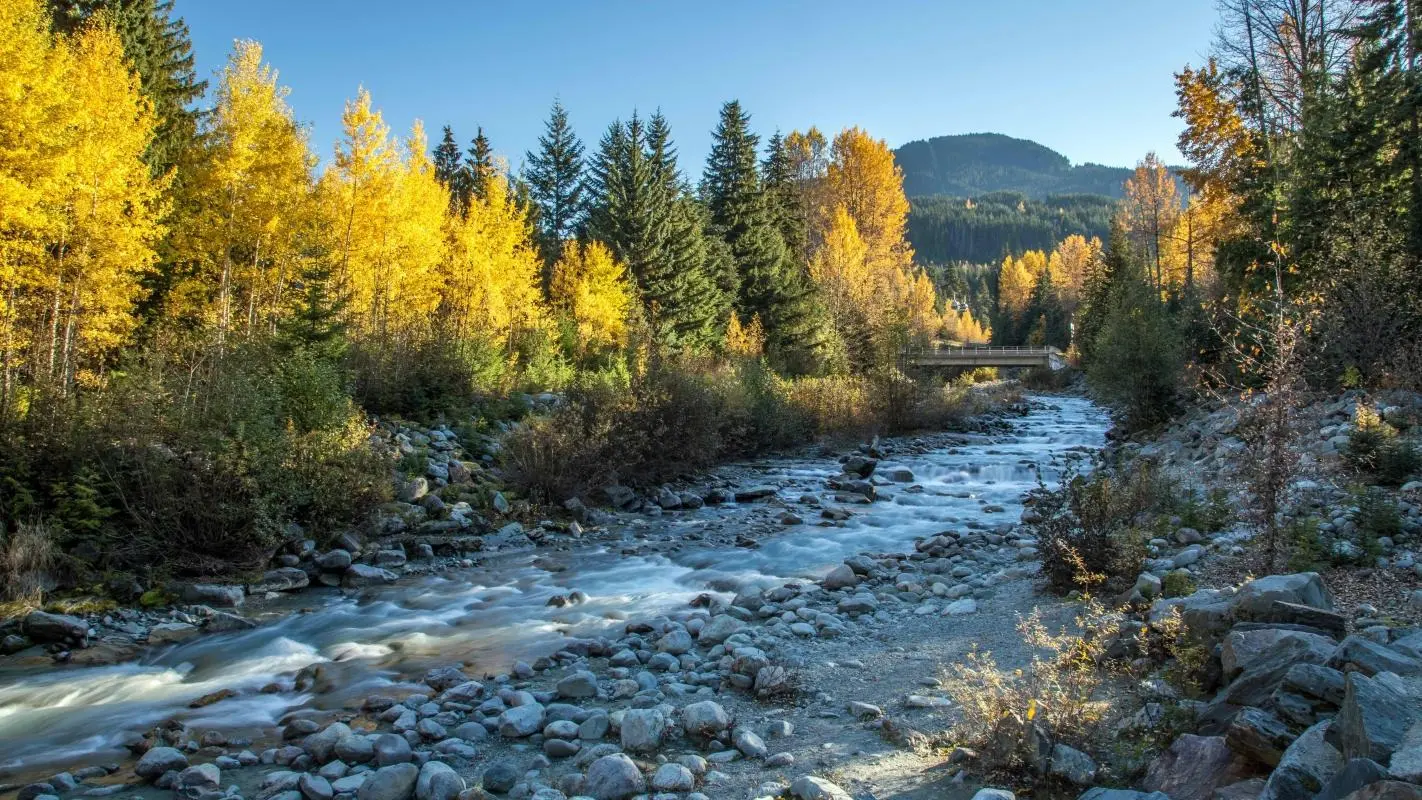
Whistler · Canada
Fitzsimmons Creek threads Whistler Village with fast water and quiet gravel bars. This short, stroller-friendly slice of the Valley Trail gives you glacial geology, Indigenous art, and Olympic history within a single, doable walk.
Read the story ↗
Whistler · Canada
Hover between Whistler and Blackcomb on the record-setting Peak 2 Peak Gondola — a short, scenic crossing that unlocks alpine trails, glacier views, and the Sea-to-Sky corridor. This guide explains why the ride belongs on every Pacific Northwest itinerary and how to plan it practically.
Read the story ↗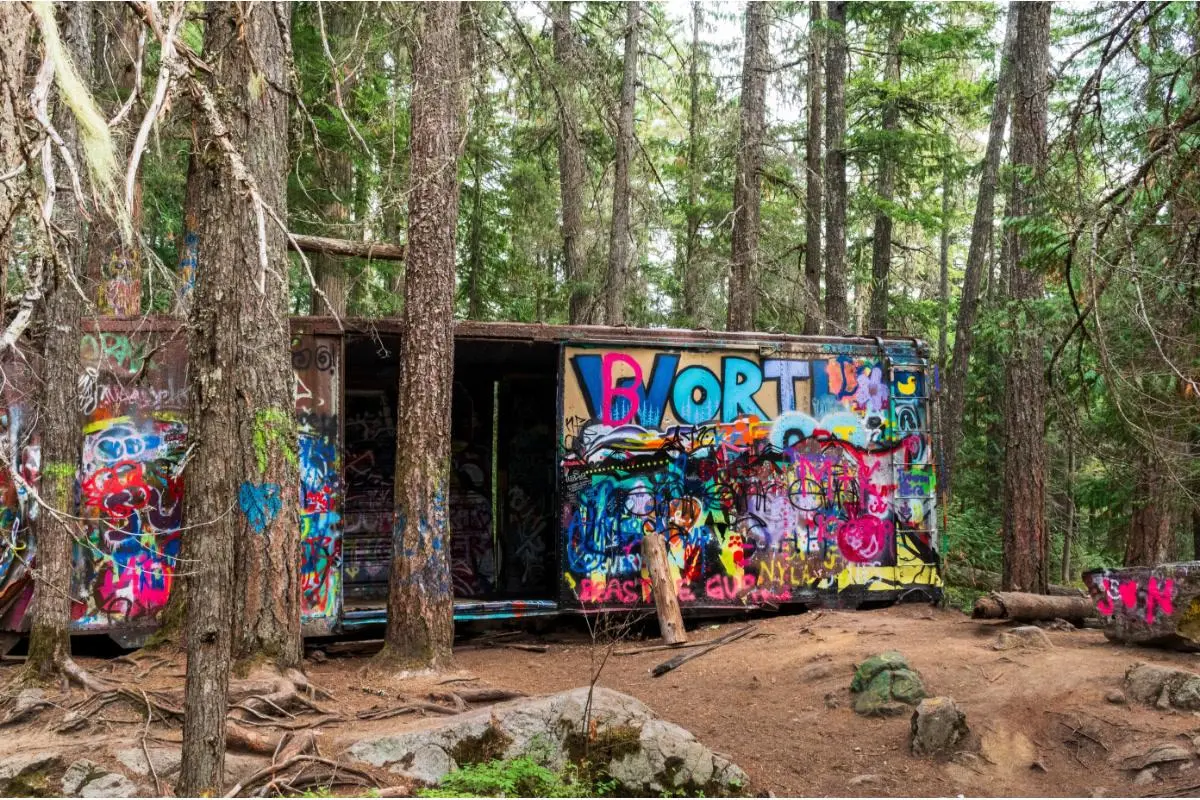
Whistler · Canada
A short, sensory hike into Whistler’s cedar forest leads to a surprising ruin: brightly painted boxcars scattered beside the Cheakamus River. This guide covers what to expect on the trail, how to photograph the scene, and practical tips for visiting year-round.
Read the story ↗GET TO KNOW THE PLACE
Step into a pocket of calm where firs hold the slopes and a small, clear lake nudges you to slow down. Lost Lake is both an accessible gateway for first-time outdoor days and a tidy training ground for riders and runners who value quality minutes without long approaches. The setting is intimate, the opportunities stackable, and the logistics friendly to travelers with limited time.
The trail system at Lost Lake sits like a green ribbon tucked just north of Whistler Village. Underfoot, cedar duff and packed dirt make walking a low-effort pleasure while short climbs open out to lake views that hold your attention without demanding a summit. The shoreline offers sheltered inlets for calm-water paddling and a beach that warms by midday in summer. Nature here moves with intent: winds ruffle the water, ridgelines keep weather rolling through fast, and the forest seems to shepherd visitors along well-worn routes. For a half-day, plan a loop with a swim stop; for a full day, combine an early loop with mountain-biking or a gondola ride into alpine terrain nearby.
Lost Lake's geology and landscape reflect the Coast Mountains’ proximity: glacially scoured basins, mosaic bedrock, and dense conifer stands frame short, varied trails. Historically the area served local Indigenous peoples and later became part of the recreational fabric of Whistler as the village grew. Today the park balances public access with habitat protection; stay on marked trails, respect posted signs, and pack out waste. Timing matters: mornings are cooler and quieter; afternoons bring swimmers and families. If you’re planning multiple activities, keep transitions short—bring a small daypack that converts between paddling, biking, and beaching so the day flows without multiple gear runs.
Access is straightforward from Whistler Village by foot, shuttle, or short bike ride, which makes Lost Lake ideal for travelers who want to minimize driving. Seasons change the playbook—summer is swim-and-ride, shoulder months highlight colorful trails and quieter beaches, and winter converts routes to groomed cross-country and snowshoe corridors. Check local resources for trail grooming and winter closures before you go. Prioritize safety (layers, traction, and water) and be ready to pivot your plan if weather rolls in quickly; coastal mountains can change their mind in an hour, and a flexible itinerary keeps the day enjoyable.
PLAN YOUR VISIT
May, June, July, August, September
Late spring through early fall brings the most stable days for swimming, paddling, and biking, while winter offers crisp, snowy conditions for Nordic skiing and snowshoeing. Coastal weather can change quickly—carry a warm layer and rain protection year-round.
Mid-July through August is the busiest period when sunny days draw day-trippers and families; book lodging and rentals early and arrive early on popular days to secure parking or lakeside space.
Shoulder months and winter provide quieter trails, lower costs, and different terrain—expect muddy sections in spring and groomed snow routes in winter, and choose routes that match seasonal conditions.
PACK WITH PURPOSE
FIND YOUR PACE
Physically demanding or technically involved outings that combine breathless climbs, fast descents, or winter backcountry skills.
Easy, low-exposure routes and activities suitable for families and first-time outdoor participants.
More sustained outings with moderate climbs, technical singletrack, or longer combined-activity days.
BEFORE YOU GO
No—many visitors enjoy self-guided walks, swims, and easy bike loops, but guided options add local insight, skills coaching, and equipment so you can maximize limited time.
The lake is used for swimming in summer; check local advisories and avoid swimming after heavy rains when runoff can affect water quality.
A focused visit can be 2–4 hours; combine activities for a full day if you plan to bike, paddle, and picnic or pair with nearby alpine attractions.
Lost Lake is a short walk, bike ride, or local shuttle from the village—many hotels provide bike rentals and easy access without driving.
Dogs are welcome in many areas but may be restricted on certain beaches or during busy summer hours; follow posted rules and keep dogs under control.
Pivot to a shorter forest loop, visit a covered picnic shelter, or opt for village indoor activities and reactivate your plan when conditions improve.