
Whistler, Canada
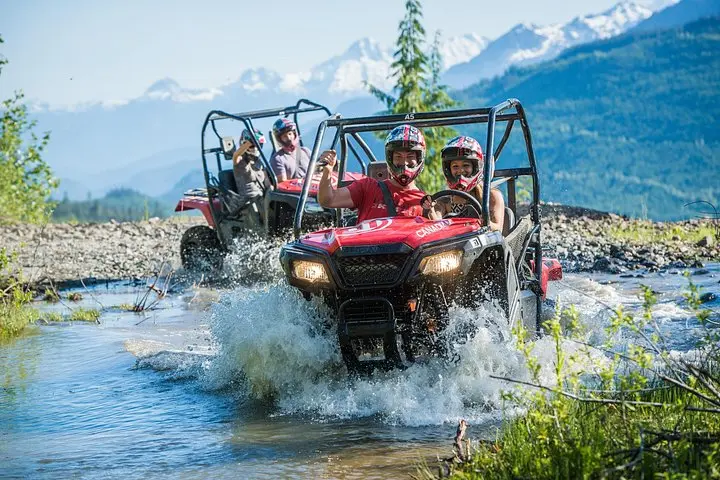
Whistler ATV Bushwhacker Tour: Guided Backcountry ATV Adventure in Callaghan Valley
from $217.11USD
VAYCAI · ATTRACTION GUIDE
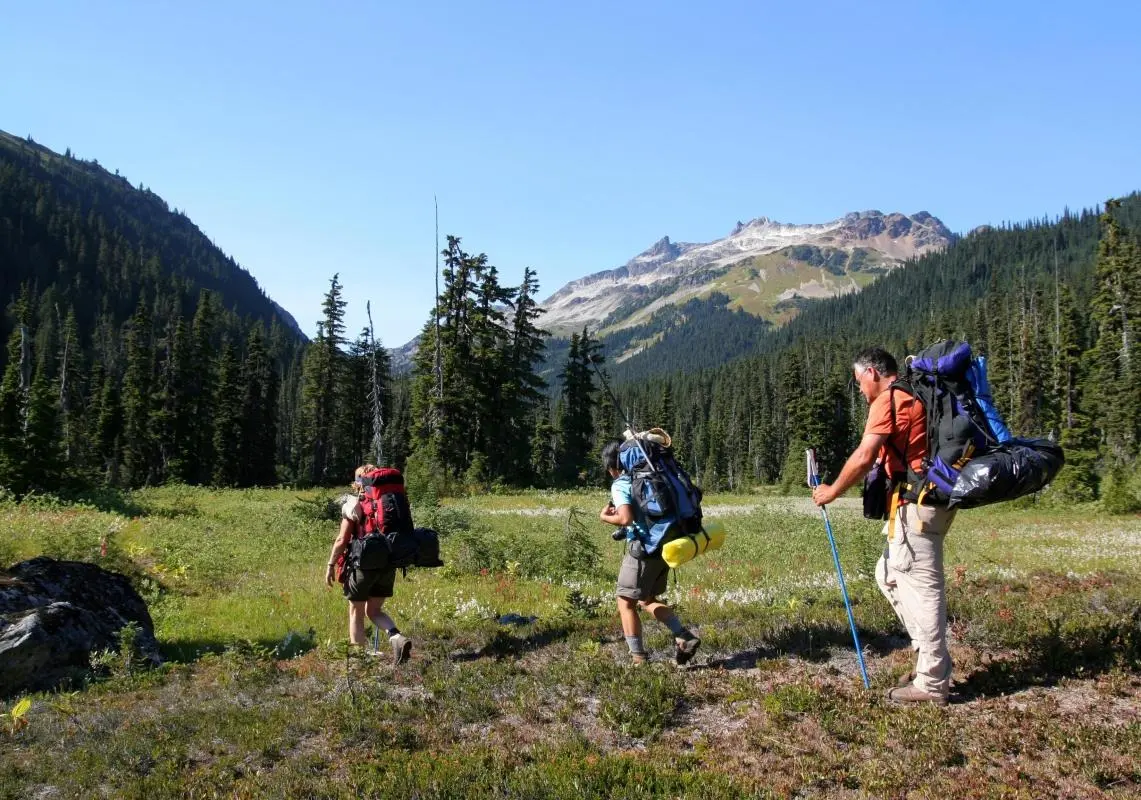
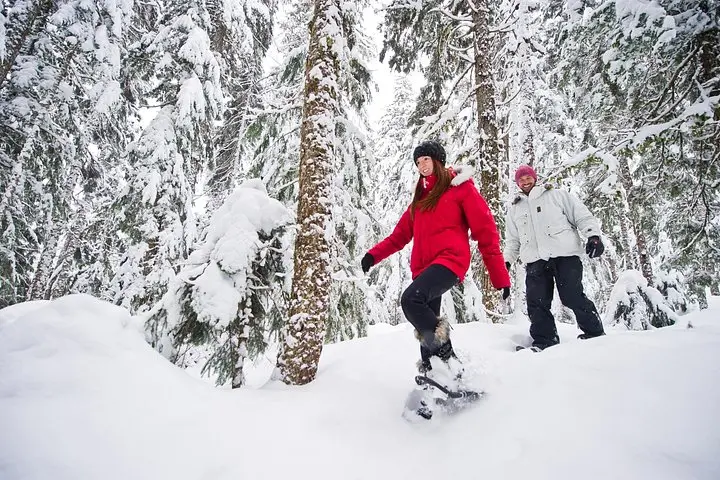
Callaghan Valley pairs serene alpine wetlands and lakes with a network of groomed Nordic trails and backcountry access, letting you stack cross-country skiing, snowshoeing, hiking, and quiet paddle sessions in a single trip. It’s an easy add-on to a Whistler stay: spend a morning on groomed tracks and an afternoon hiking lakeshores or scouting ridgelines for sweeping mountain views.
Explore experiences ↓Your guide to places, experiences, and adventures.
THE GOOD STUFF STARTS HERE
Whistler, Canada
Whistler, Canada

Whistler, Canada
Whistler, Canada

Whistler, Canada

Whistler, Canada

Whistler, Canada

Whistler, Canada

Whistler, Canada

Whistler, Canada


Whistler, Canada
Whistler, Canada
Listed starting prices may vary by option, travel date and group size. Confirm the final total and availability on Viator. Sponsored links: we may earn a commission from qualifying bookings.
STORIES WORTH GOING FOR
GET TO KNOW THE PLACE
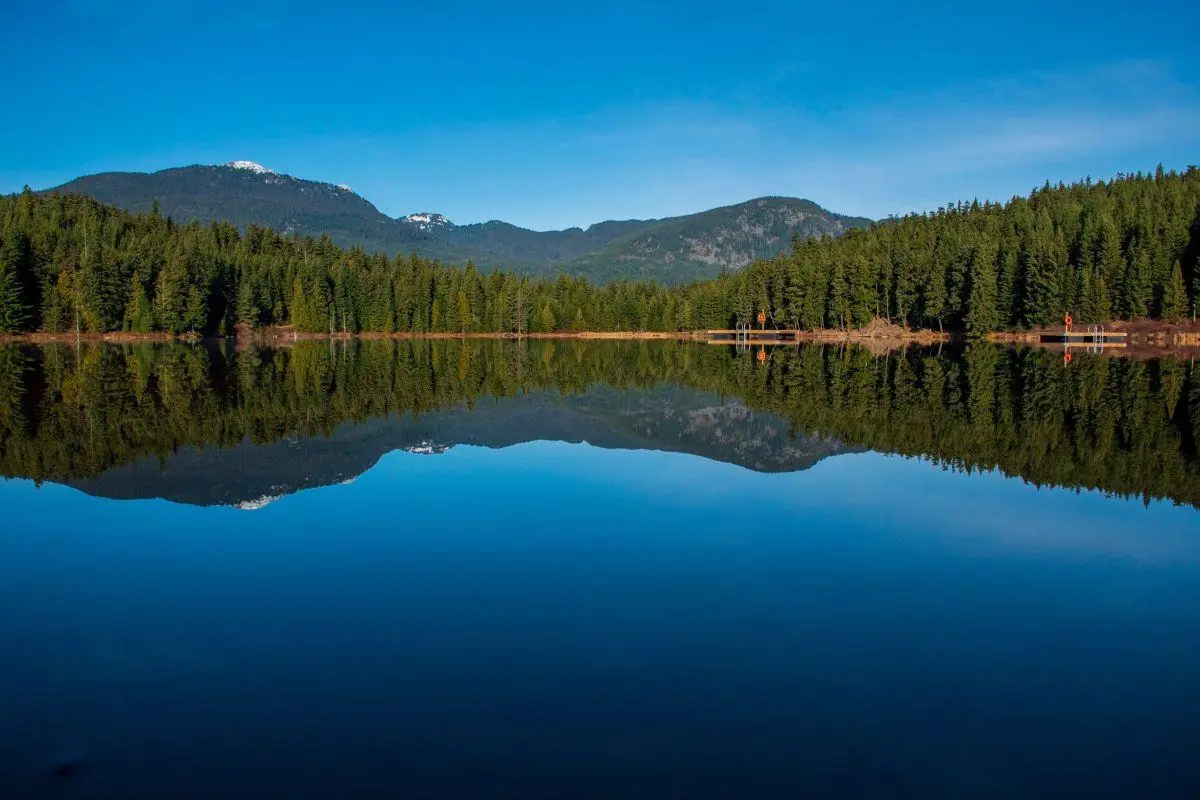
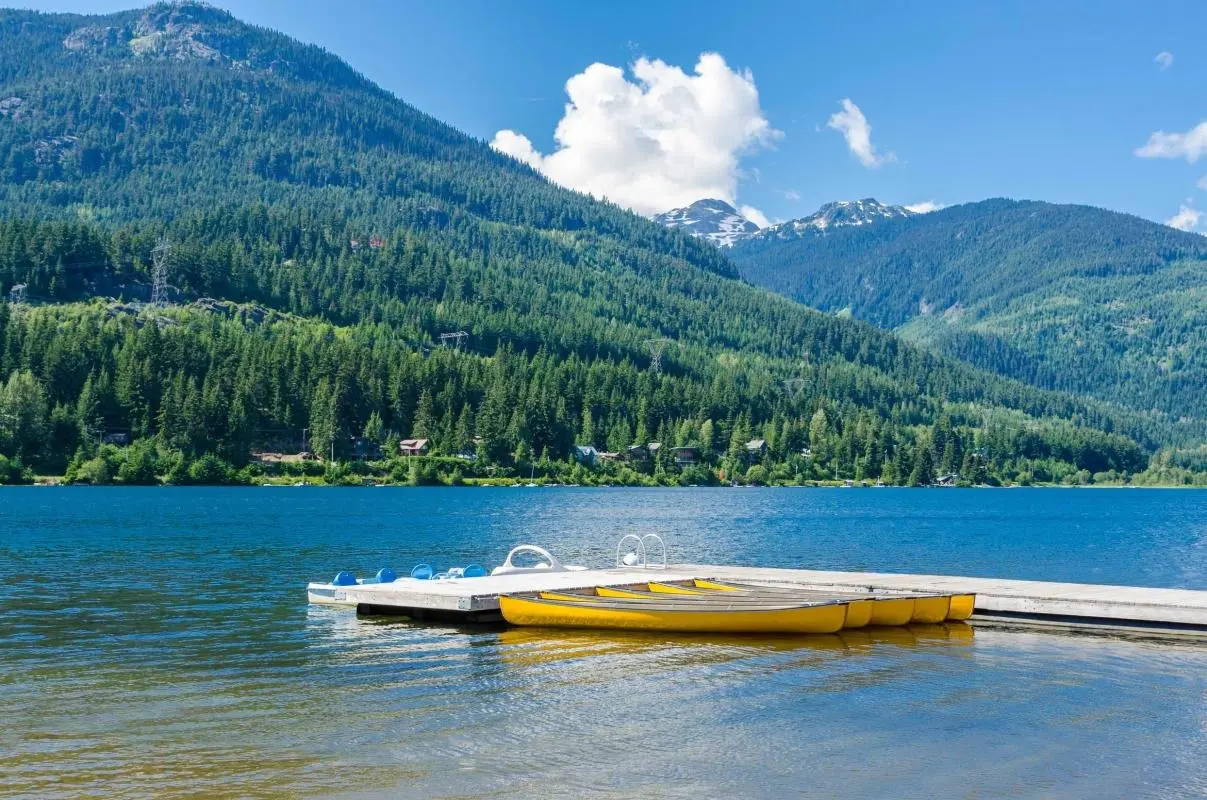
A low-key cradle of wetlands and alpine bowls a short drive from Whistler, Callaghan Valley offers layered access to winter grooming, summer lakeside hiking, and backcountry approaches that feel remote without long road miles. The terrain is generous: open meadows, forested ridges, and a handful of lakes that hold late light and quiet water, inviting both measured exploration and full-on adventure.
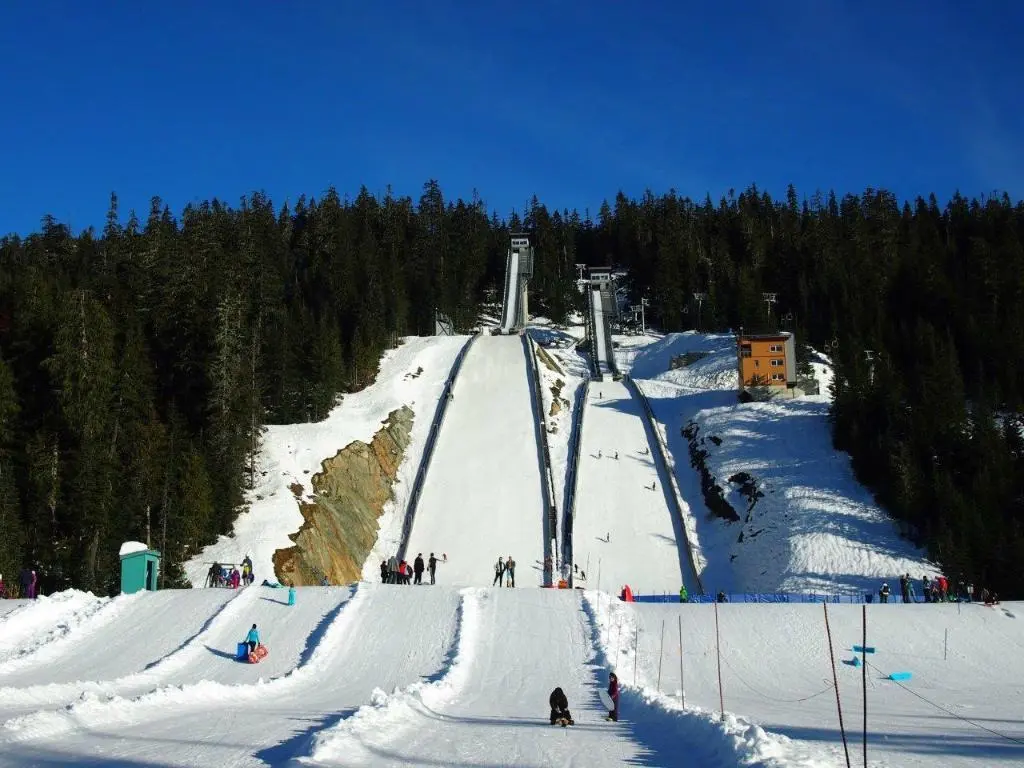
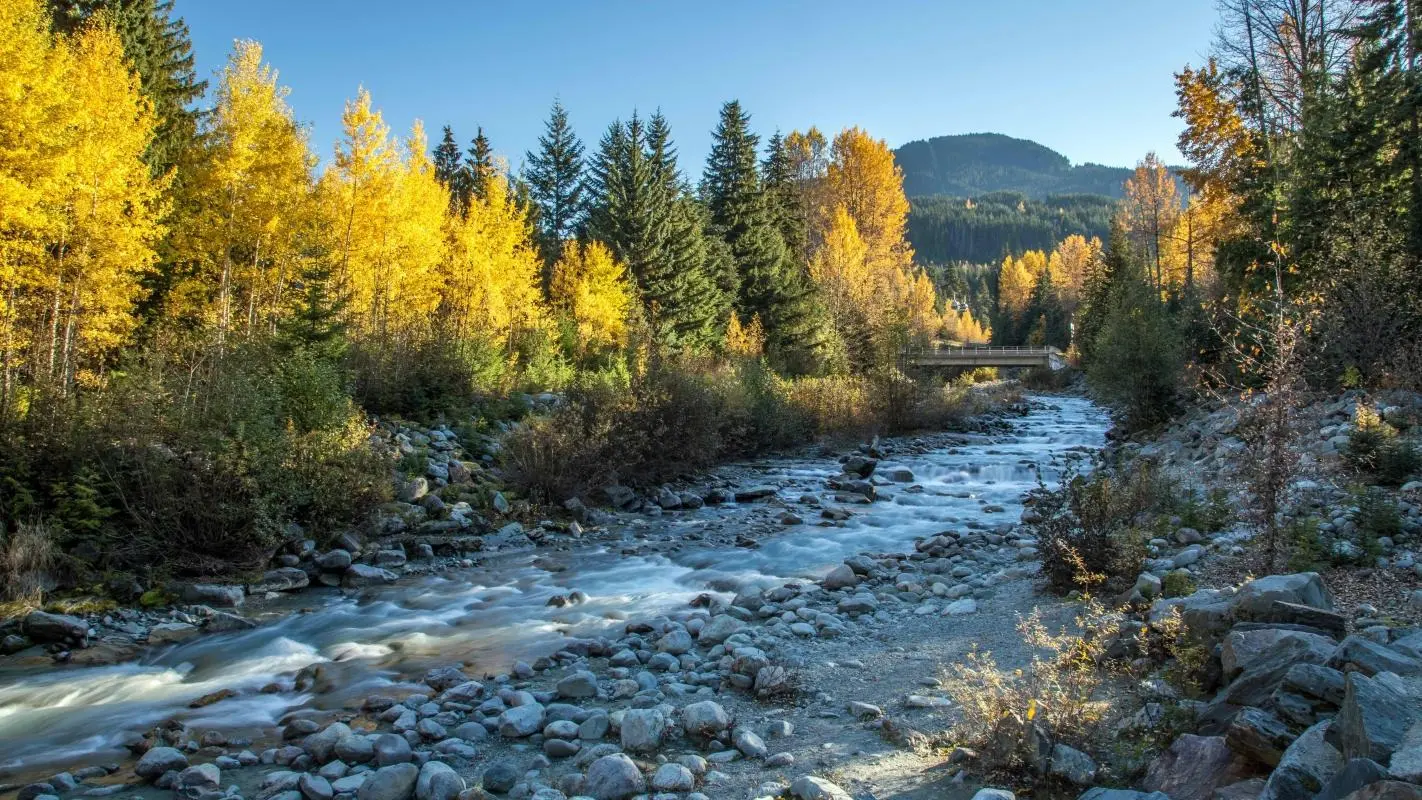
Step into Callaghan Valley and the landscape rearranges your pace. The valley floor holds marshy wetlands that hum with insect life in summer and freeze into glassy expanses in winter; ridgelines collect snow and cradle views back toward the Coast Mountains. Geologically this is a carved basin of glacial and fluvial activity, with rounded summits and moraine-fed lakes that reflect a wide sky. The area gained wider attention after hosting Nordic events in a past winter games, which left an imprint of maintained trails and accessible staging areas. That legacy makes the valley unusually friendly to visitors who want groomed skiing without the lift lines.
Culturally, Callaghan sits on the traditional territories of local First Nations and today feels like a working landscape shaped by seasonal recreation and conservation priorities. Trails and access roads are typically short, so planning often comes down to timing: arrive early in summer to avoid afternoon flies and to catch lakes at their calmest, or hit the nordic tracks at first light in winter when grooming is fresh. Services are limited in the valley itself; Whistler is the logistical hub for food, gear, and medical support. Expect simple parking and trailhead signage, and treat the valley with low-impact discipline—pack out what you pack in.
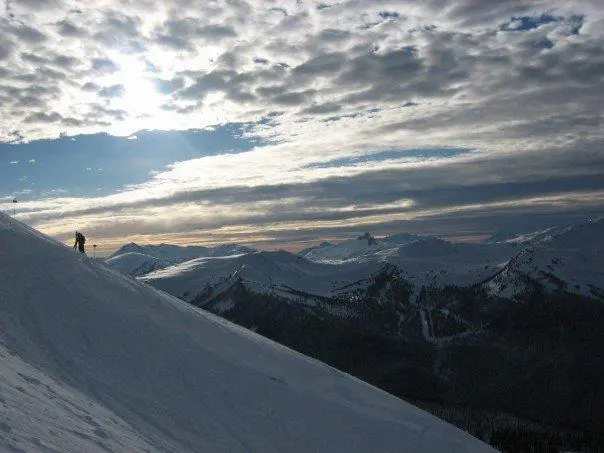
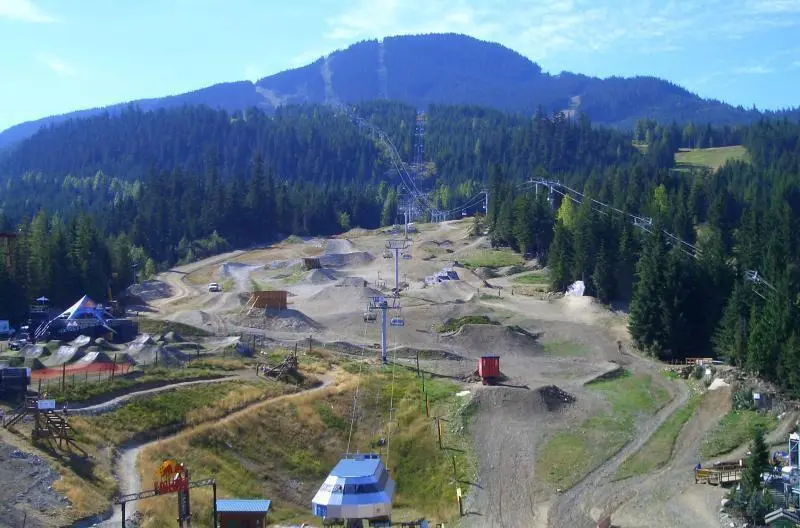
From a planning perspective, Callaghan is flexible. Summer visits stack hiking and paddling (on calm lakes), while winter itineraries pair classic cross-country loops with short backcountry approaches for those chasing powder. Weather can change quickly—storms roll in from the coast—so layer for wet cold and keep navigation tools handy. If you’re building an itinerary from Whistler, allow half to full days for the valley depending on whether you’re moving slowly to photograph and paddle or moving hard to ski and climb.
Get to know the place

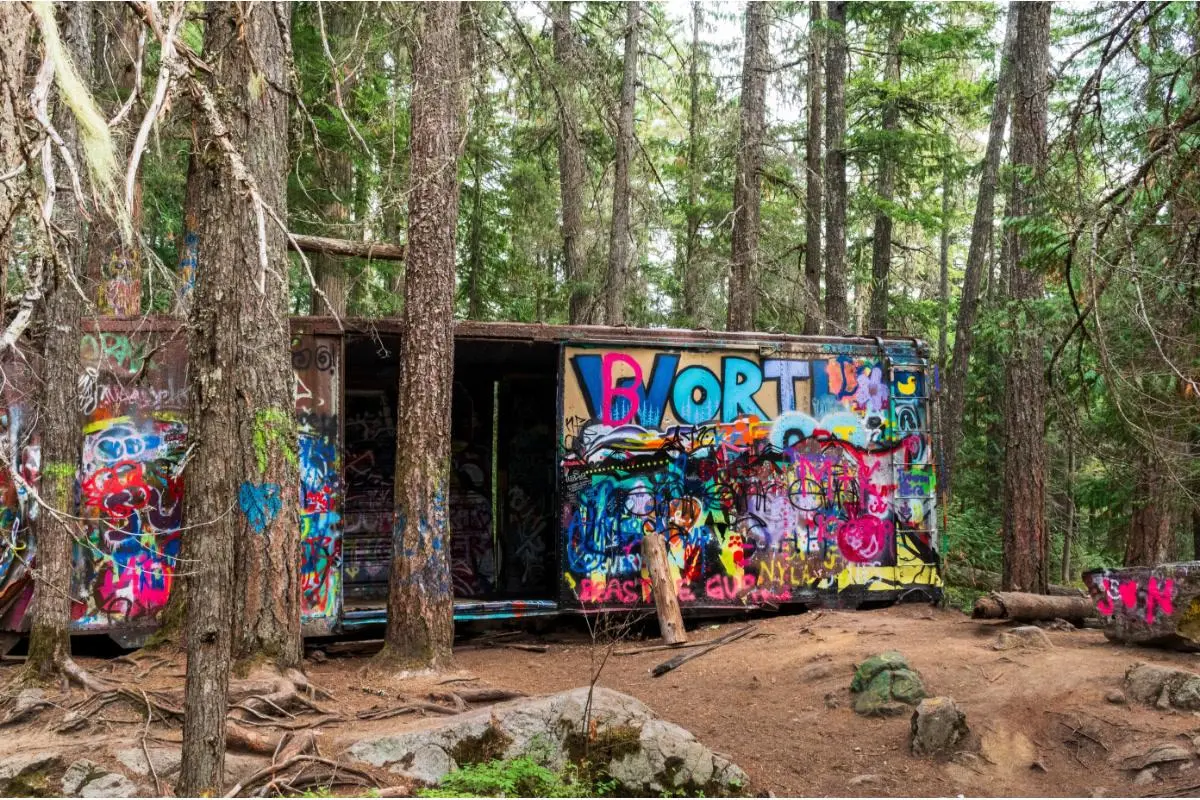

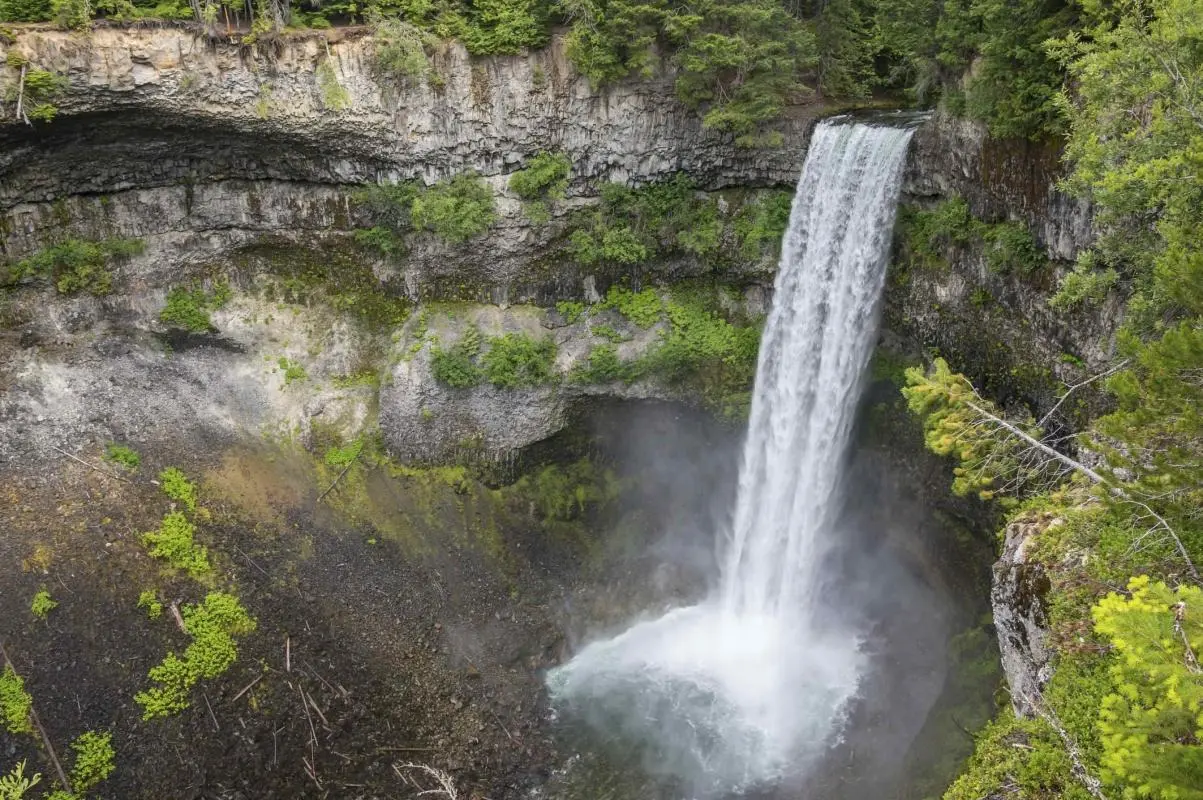
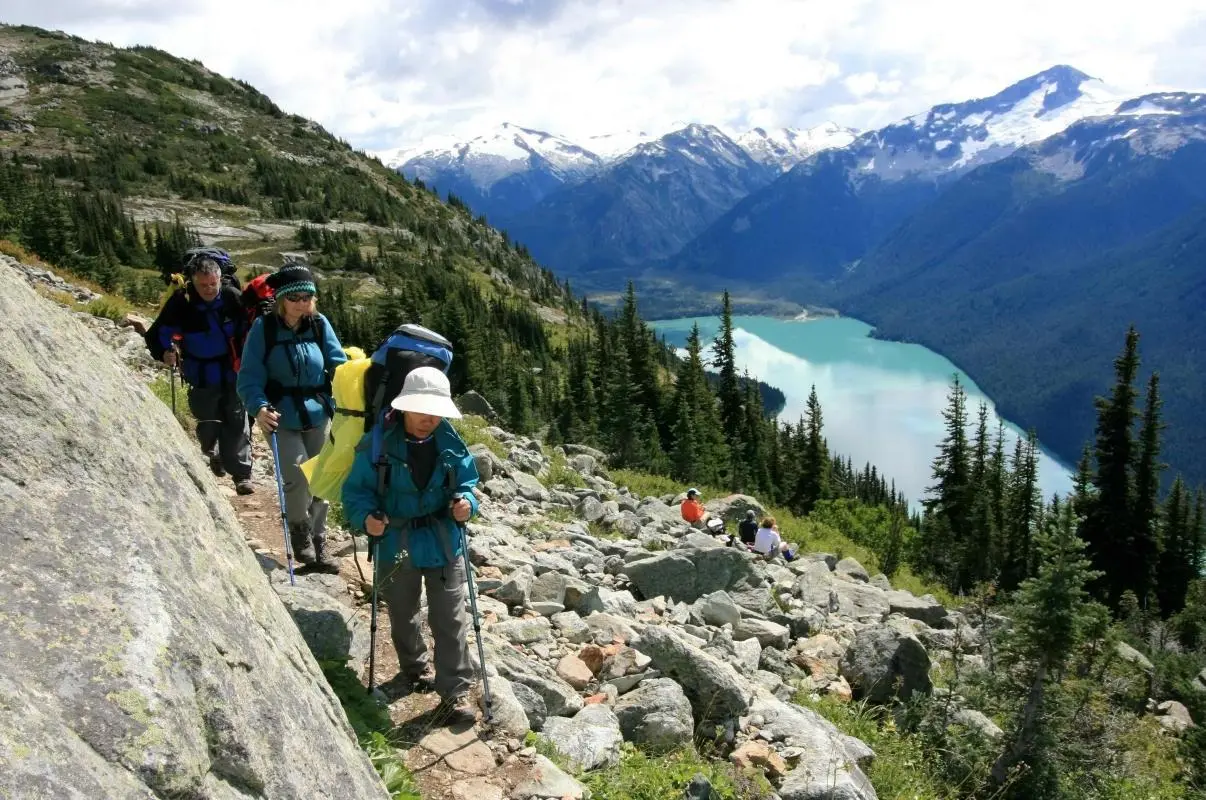
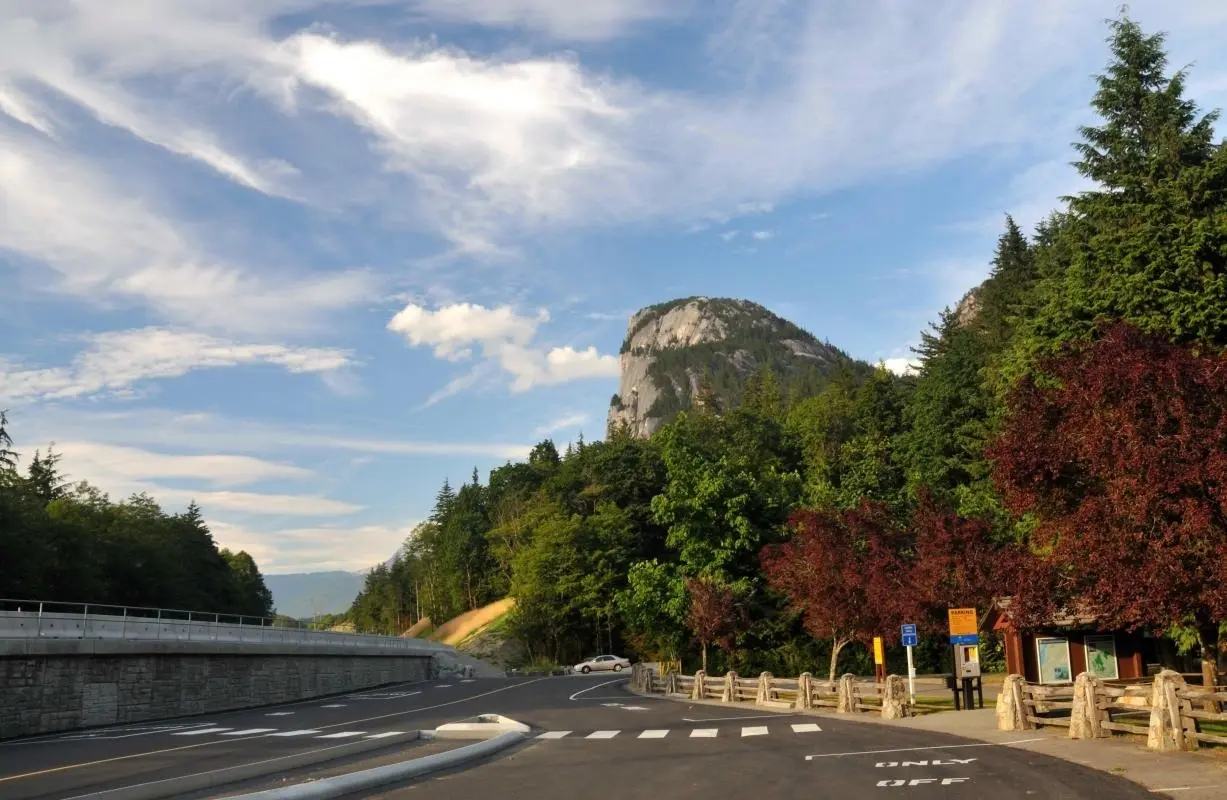
PLAN YOUR VISIT
June, July, August, December, January, February
Summer brings mild temperatures and stable hiking conditions with occasional afternoon showers; winter delivers reliable snowpack for groomed Nordic skiing and snowshoeing but can be windy and cold. Shoulder seasons may be muddy or variable.
The busiest periods are summer holiday weekends and winter holiday weeks when Whistler fills; plan to start activities early, reserve any guided services in advance, and expect limited parking near trailheads.
Shoulder months offer quieter trails and value on lodging, but watch for muddy approaches and limited services; choose routes that drain well and respect seasonal closures for habitat protection.
PACK WITH PURPOSE
FIND YOUR PACE
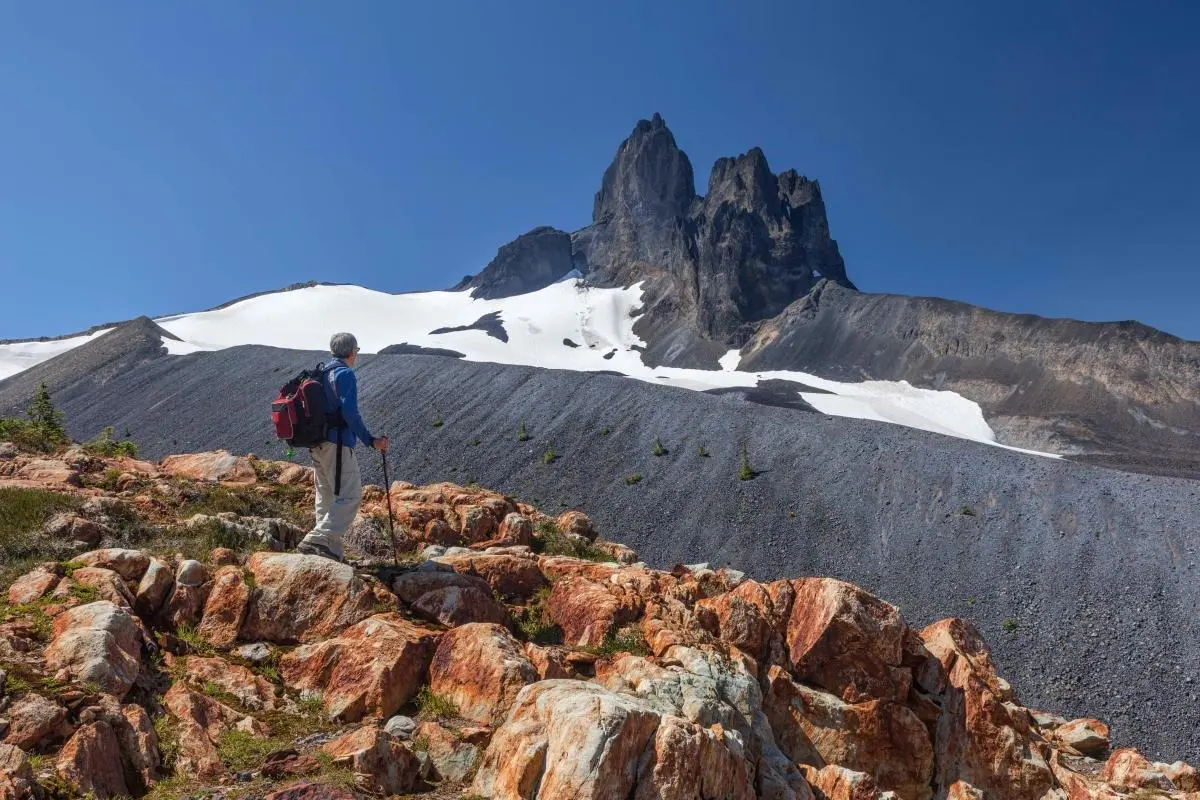
Advanced travelers pursue backcountry ski tours, technical alpine approaches, and multi-day traverses that require strong navigation and avalanche awareness.
Beginner visitors can enjoy short, low-gradient loops, lakeside walks, and unguided snowshoe or groomed-ski introductions with minimal technical skills.
Intermediates combine longer hikes or ski loops with moderate climbs, basic navigation, and multi-sport days that pair hiking with paddling or biking.
BEFORE YOU GO
No—many trails and groomed loops are straight-forward for self-guided visitors, but a guide is valuable for backcountry ski routes, technical navigation, and local natural-history interpretation.
A half-day lets you sample groomed tracks or a short lakeside hike; plan a full day to combine activities like skiing in the morning and a summer paddle or longer hike in the afternoon.
Public transit options are limited; most visitors drive or take a private transfer from Whistler. Your travel agent can arrange shuttles or coordinate car rentals.
Prepare for rapid weather shifts, variable trail conditions, and limited cell service; bring layers, navigation tools, and let someone know your itinerary.
Paddling on calm summer days is common and rewarding; water is cold year-round so treat any swim as bracing and bring a dry bag and quick-dry clothing.
Grooming follows the winter snowpack and local operations; check grooming reports in advance and plan morning sessions when tracks are freshest.