
VAYCAI · ATTRACTION GUIDE
Frogner Park (Frognerparken) Visitor Guide
Frogner Park mixes wide lawns, sculptural drama and tree-lined avenues that stack low-effort outdoor activities into a single day: morning runs or gentle hikes through the park, a sculpture tour at Vigeland, and a sunset stroll toward the Oslofjord. It's an urban outdoor playground you can pair with a bike loop to Bygdøy or a nearby fjord paddle.
Explore experiences ↓Your guide to places, experiences, and adventures.
THE GOOD STUFF STARTS HERE
Experiences around Frogner Park (Frognerparken)


Oslo, Norway
Oslo Private Walking Tour: City Highlights & Hidden Gems (Museums Free)
See current price


Listed starting prices may vary by option, travel date and group size. Confirm the final total and availability on Viator. Sponsored links: we may earn a commission from qualifying bookings.
STORIES WORTH GOING FOR
Stories from Oslo
GET TO KNOW THE PLACE
Why Visit Frogner Park
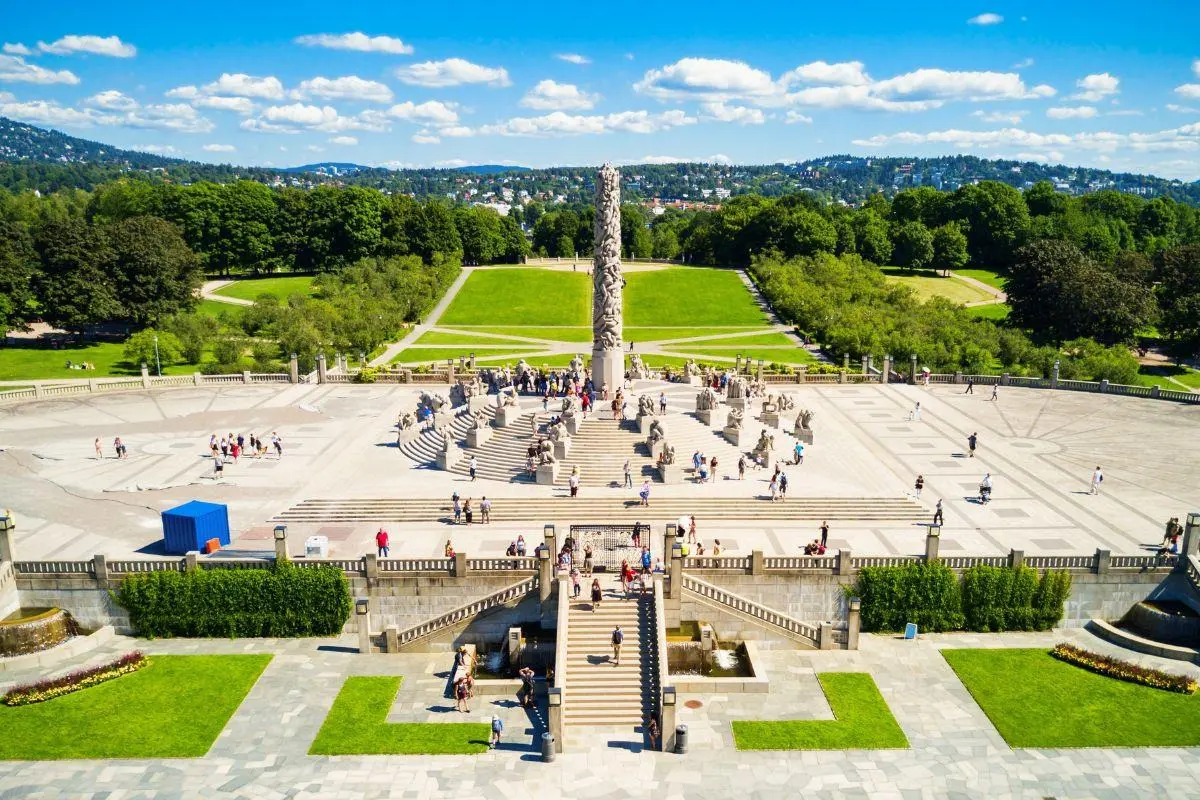
Arrive early and the park feels like the city’s lungs—air moving through avenues of plane trees while the sculptures stand like a neighborhood of sentinels. Frogner Park folds art, green space, and casual outdoor recreation into a single walkable block, making it an ideal first stop for travelers who want accessible nature without leaving Oslo.
Frogner Park was planned as a grand public space in the late 19th and early 20th centuries and became internationally known when Gustav Vigeland’s sculptures were installed. The park’s geology is typical Oslo: glacially smoothed terrain with gentle rises and shallow hollows that direct paths and sightlines. Those modest rises give you brief, usable viewpoints—stand on a knoll and the city and fjord edge broaden like a held-open map. The grass rolls and gathers people; trees lean in and shade benches, making the park comfortable for long spells of daylight and social life.
Culture and practical access live side by side here. The Vigeland installation is the main draw—granite columns, bronze figures, and iron gates that reward a slow walk and some context about Norway’s early-20th-century art scene. Locals come to exercise, sunbathe, skateboard, and walk dogs; tourists come to photograph and learn. For planning: you can combine a morning loop through Frogner Park with a mid-day bike to the beaches of Bygdøy or an afternoon ferry into the Oslofjord. Public transport is frequent and the park’s central location makes it easy to plug into other days of adventure—urban cycling, fjord paddling, or museum circuits.
Timing matters. Weekends and sunny summer afternoons bring crowds; early mornings and weekday late afternoons feel quieter and cleaner for photography or a focused run. The park’s surfaces are mostly gravel and lawn, so footwear that handles mud in the shoulder seasons is smart. If you’re coordinating a group or a guided cultural walk, reserve any formal tours ahead of peak summer weeks. And if you want to move beyond the park, use it as a short, green gateway to longer excursions—bike routes along residential streets, coastal trails on Bygdøy, and paddling access at nearby slips on the fjord.
Get to know the place
Attractions worth a closer look.
PLAN YOUR VISIT
When to go.
Best months
May, June, July, August, September
Weather
Late spring to early autumn delivers the most reliable warm weather and long daylight for walking, running, and picnics; winters are cold with short days and occasional snow that changes the park into a quiet winter landscape. Summer can bring sudden showers, so layer up.
Peak season
The busiest period is generally June through August when locals and visitors crowd lawns and paths; tactical takeaway—start early, book nearby lodgings in advance, and plan museum or ferry trips outside midday windows.
Beyond the peak
In shoulder seasons and winter you’ll find fewer crowds and clearer sightlines for photography plus lower accommodation demand; be cautious of muddy grass in spring and icy patches in winter and choose routes accordingly.
PACK WITH PURPOSE
What to bring.
optional
- Binoculars for birdwatching
- Action camera or tripod for sculpture photography
- Picnic blanket and small kit
essential
- Layered clothing for variable city weather
- Reusable water bottle
- Traction-capable footwear for damp grass
- Sun protection (hat and sunscreen)
- Offline map or transit app with saved routes
recommended
- Light rain shell
- Small daypack
- Portable phone charger
- Dry bag for electronics if you plan fjord activities
FIND YOUR PACE
Choose your kind of adventure.
advanced
For travelers looking to stitch urban fitness with longer excursions beyond the park.
- Extended road-bike tours that combine Frogner with coastal routes and ferry crossings
- Sunrise photography sessions with strict light timing and scouting
- Multi-day Oslo itineraries pairing park runs with fjord paddling or nearby trail running
beginner
Ideal for casual visitors and families seeking low-effort outdoor time in a scenic urban park.
- Leisurely strolls through lawns and sculpture walks
- Picnicking and people-watching on sunlit grass
- Introductory photography of the Vigeland pieces
intermediate
Suited to active travelers who want moderate exercise plus cultural context.
- Morning running loops and interval training on park paths
- Guided sculpture tours to learn art and history
- Bike rides linking Frogner to Bygdøy and waterfront viewpoints
BEFORE YOU GO
Your questions, answered.
Do I need a ticket to enter Frogner Park or the Vigeland installation?
The park is free to enter; some museum spaces or special exhibitions inside nearby buildings may charge admission—check those venues separately before you go.
Can I bring a bike or rent one nearby?
Yes—cycling around Frogner and connecting to Bygdøy is common; bike rentals and city-share options are available nearby and make it easy to extend a park visit into coastal routes.
Is the park family-friendly and accessible for strollers or wheelchairs?
Frogner Park is largely stroller- and wheelchair-friendly with broad paths and open lawns, though some older pathways and steps near sculptures may be less accessible—plan routes in advance if mobility is a concern.
What should I do in bad weather?
Shift to nearby indoor options—museums along the same route or a café run in the Frogner neighborhood; bring a rain shell and choose a shorter loop through covered tree avenues if showers move in.
How long should I plan to spend in the park?
A focused visit can be 1–2 hours to see highlights; allow half a day if you plan a relaxed picnic, photography session, or to combine the park with cycling to local attractions.
Are guided tours recommended or is self-guiding sufficient?
Both work: self-guiding is easy with signage and maps, but a guided tour adds historical and artistic context that deepens appreciation of Vigeland’s sculptures.