
Loading the next place…
Gathering stories, stays, and experiences for you.
Loading the next place…
Gathering stories, stays, and experiences for you.
VAYCAI · ATTRACTION GUIDE
The Oslofjord offers a stackable mix of short coastal hikes, island-hopping by ferry, and calm-water paddling right from the city’s edge. Combine urban museums and seafood with open-water excursions and ridge viewpoints for quick day trips or multi-day island circuits.
Explore experiences ↓Your guide to places, experiences, and adventures.
THE GOOD STUFF STARTS HERE




Oslo, Norway

Oslo, Norway
Listed starting prices may vary by option, travel date and group size. Confirm the final total and availability on Viator. Sponsored links: we may earn a commission from qualifying bookings.
STORIES WORTH GOING FOR

Oslo · Norway
A stroll through Frogner Park is part art museum, part public commons—Vigeland’s sculptures populate a green stage where Norwegians picnic, jog and celebrate. Learn the stories behind the Monolith, practical visiting tips, and the best ways to experience the park.
Read the story ↗Oslo · Norway
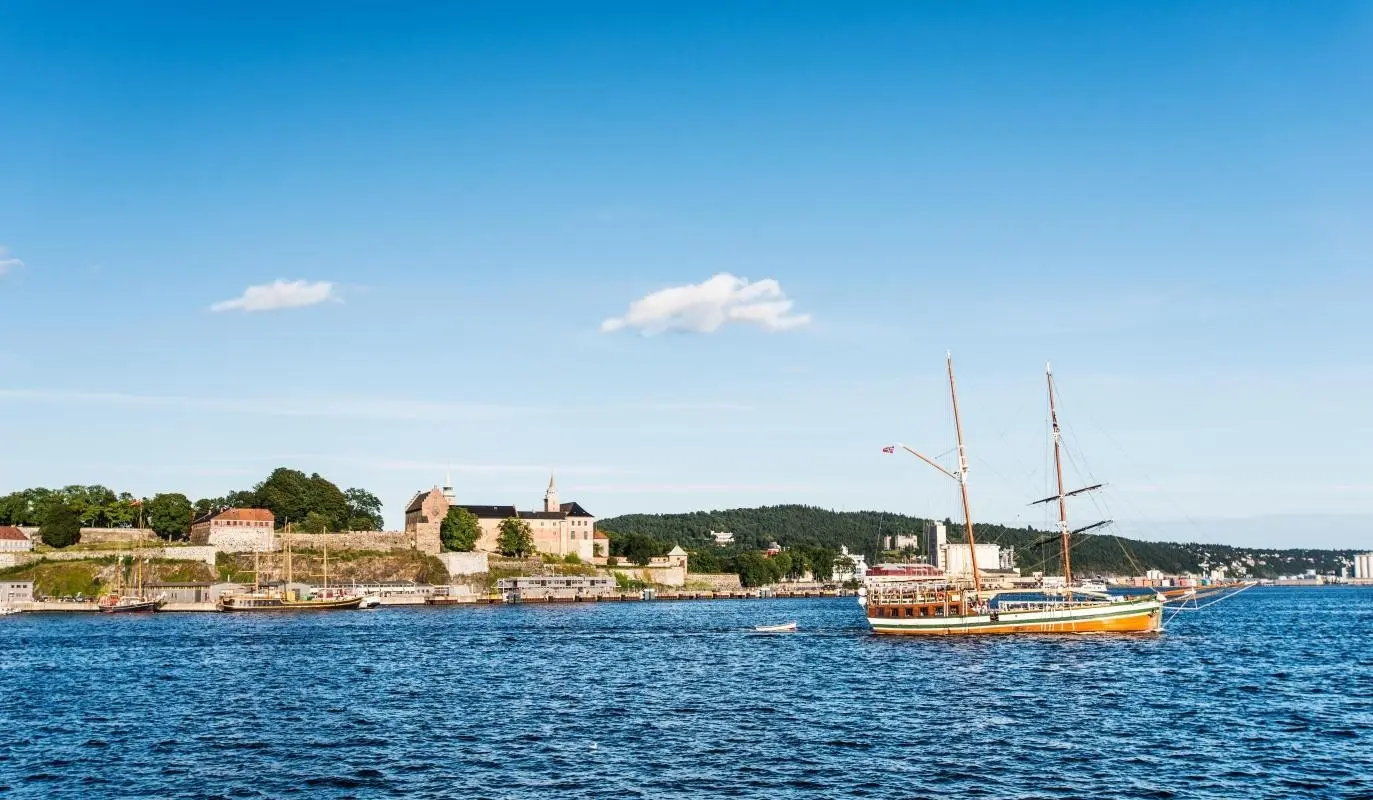
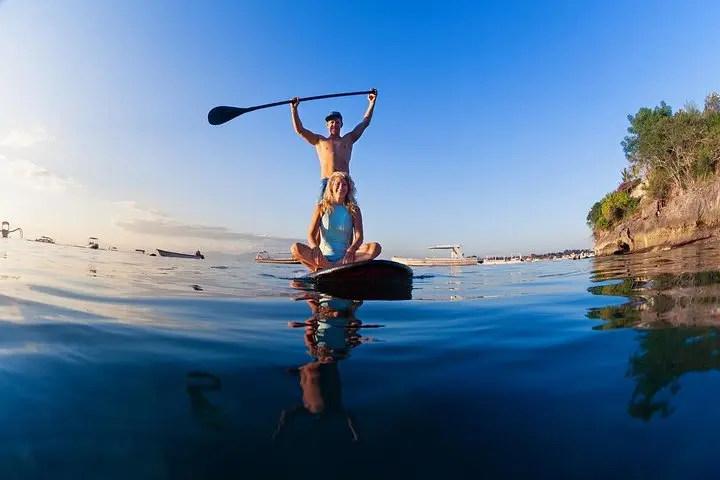
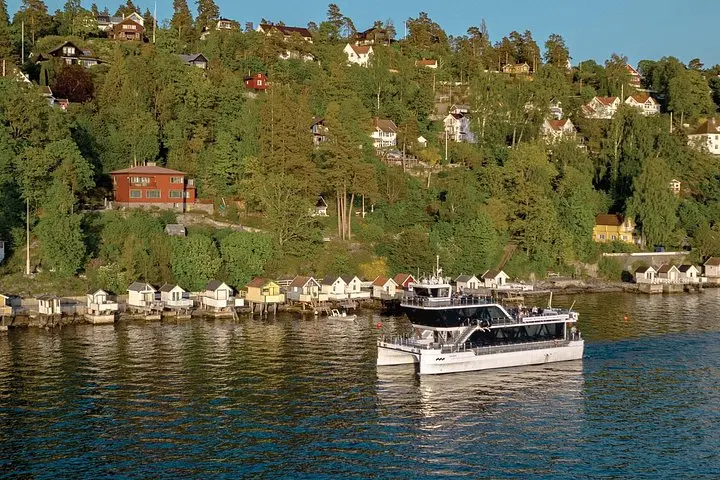
Oslofjord is where Norway’s cityscape meets island wilderness: paddle from Aker Brygge, hike to monastery ruins, or choose a private boat to hunt hidden coves. This guide explains why the fjord works as both an easy urban escape and a proper coastal adventure.
Read the story ↗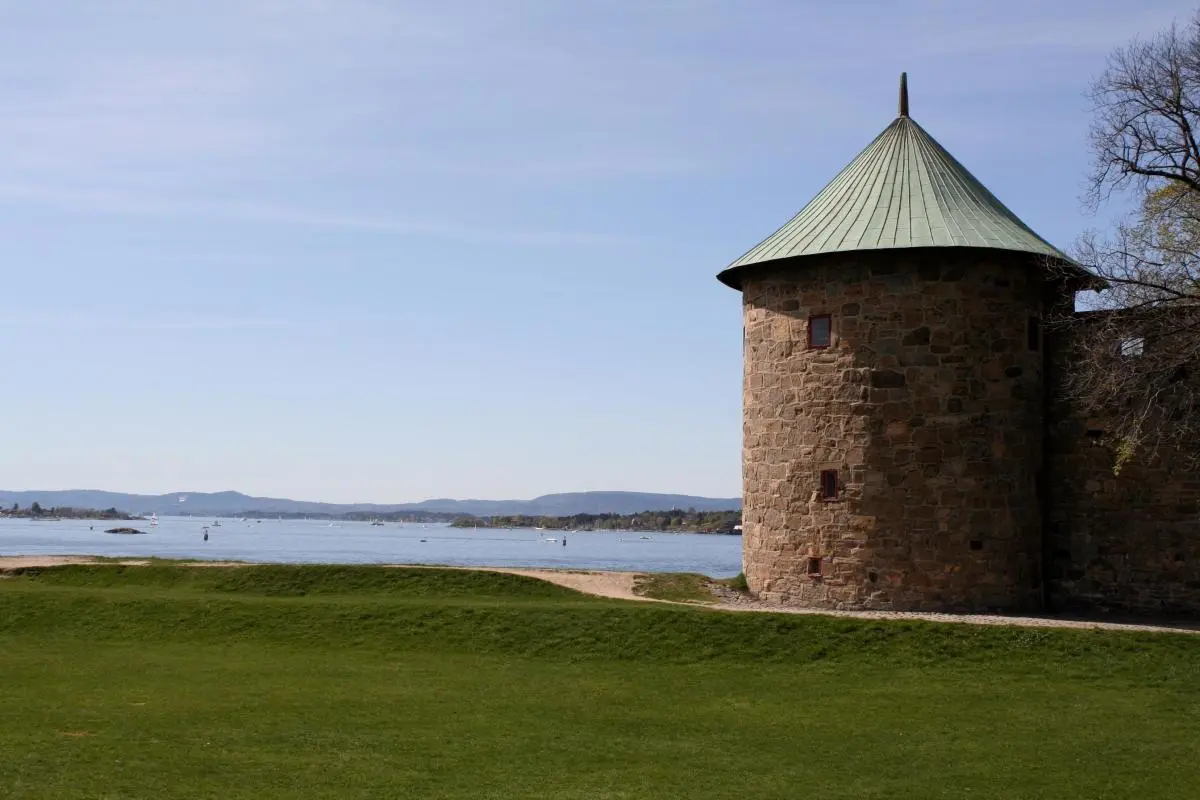
Oslo · Norway
A short ferry ride from central Oslo, Bygdøy Peninsula pairs world-class maritime museums with low-key coastal adventures—kayak the fjord, stroll behind Viking hulls, and discover beaches and vistas that reward curiosity. This guide shows how to plan a practical, memorable day.
Read the story ↗GET TO KNOW THE PLACE
A narrow inlet that reaches into the heart of Norway’s capital, the Oslofjord is both accessible and wild—rocky skerries, pine-fingered islets, and short ridgelines that reward small efforts with big views. It’s a place where quick, flexible adventures stack easily onto a city trip: a paddle at dawn, a bike ride along a sea lane, and a late-afternoon museum stop.
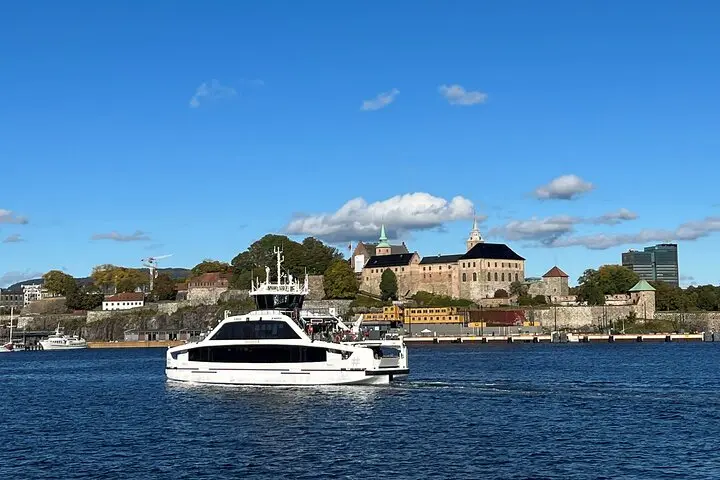
Step off a tram and the fjord is already at work: tide and wind carving the shoreline while ferries slice between islands. Geologically, the coastline is a mosaic of glacially smoothed bedrock and post-glacial rebound shelves; you’ll recognize the fingerprint in the rounded cliffs and low rock islands. Vikings used these waters for movement and trade, and that maritime culture persists in the small harbors and boatyards that dot the archipelago. The sea nudges you toward simple, practical adventures—short hikes, swims, and paddles that can be combined into a full day without long drives.
Culturally, Oslofjord sits at the intersection of outdoor life and urban amenities. Local cafés and fish markets near the water make it easy to refuel between outings, and seasonal ferries turn island-hopping into a public-transport experience rather than an expedition. Nature here has personality: the southerly currents push boats through narrow channels, winds pick out quiet coves for bathing, and pines hold thin soil along ridgelines. That personality means you plan with flexibility: check ferry timetables, allow a buffer for changing winds, and expect pockets of sun and coastal squalls in the same afternoon.
From a practical planning perspective, time your larger paddles and open-water crossings for the calmer hours of the day and stack short hikes or cultural stops around them. Public transit serves many access points, and car-based scenic drives along the outer fjord let you reach less-visited bays. Prioritize low-effort, high-reward segments if your trip window is tight: sunrise paddle, midday island lunch, late-afternoon coastal hike. Verify seasonal services, and if you plan to camp or use private boats, book or register in advance where required.
PLAN YOUR VISIT
May, June, July, August, September
Late spring through early autumn offers the mildest conditions and longest daylight for paddling and island-hopping, while shoulder seasons bring brisk, clear days for coastal hikes and fewer crowds.
Peak season runs through June to August when ferries, beaches, and island trails are busiest; book accommodation and popular guided experiences in advance and start activities early to avoid midday crowds.
Off-season (late autumn through early spring) offers lower prices, empty shores, and dramatic weather-watching; be mindful of shorter daylight, muddy trails, and reduced ferry services.
PACK WITH PURPOSE
FIND YOUR PACE
Advanced plans involve exposed open-water crossings, multi-day self-supported island travel, or fast-paced coastal runs in changeable weather.
Beginner outings are short, low-exposure activities that require minimal technical skill and can be combined with public transport.
Intermediate adventures include longer paddles, island circuits, and mixed-terrain bike rides requiring good stamina and basic navigation skills.
BEFORE YOU GO
You can paddle solo in sheltered bays if you have experience, but for open-water crossings, unfamiliar currents, or group trips, a local guide adds safety and local knowledge.
A flexible 3–5 day trip lets you combine city time with at least one full-day island hop and a paddling or cycling outing; day trips from Oslo are also very rewarding.
Local ferries connect many islands and run frequently in summer; check timetables and plan arrivals around schedules, especially for return trips.
Many sheltered bays and beaches are popular for swimming in summer; water is cold relative to temperate climates—plan short swims and bring a towel and warm layer for after.
Yes—coastal roads and dedicated bike paths make cycling enjoyable; expect mixed surfaces and some short, steep sections near rocky headlands.
Head to the nearest protected cove or harbor, notify local marine services if required, and carry a VHF or reliable phone with local emergency numbers.