
Bayeux, France
Private British D-Day Tour from Bayeux — Pegasus Bridge, Sword & Gold Beaches
from $940.80USD
Loading the next place…
Gathering stories, stays, and experiences for you.
VAYCAI · ATTRACTION GUIDE
Sword Beach pairs open Atlantic sky and long, flat sand with a profound historical landscape; you can stack shoreline walks with guided battlefield tours and short coastal rides. Plan morning tides and mid-day museum stops in Bayeux to balance outdoor time with the memorials and interpretation centers.
Explore experiences ↓Your guide to places, experiences, and adventures.
THE GOOD STUFF STARTS HERE
Bayeux, France

Bayeux, France

Listed starting prices may vary by option, travel date and group size. Confirm the final total and availability on Viator. Sponsored links: we may earn a commission from qualifying bookings.
STORIES WORTH GOING FOR
Bayeux · France
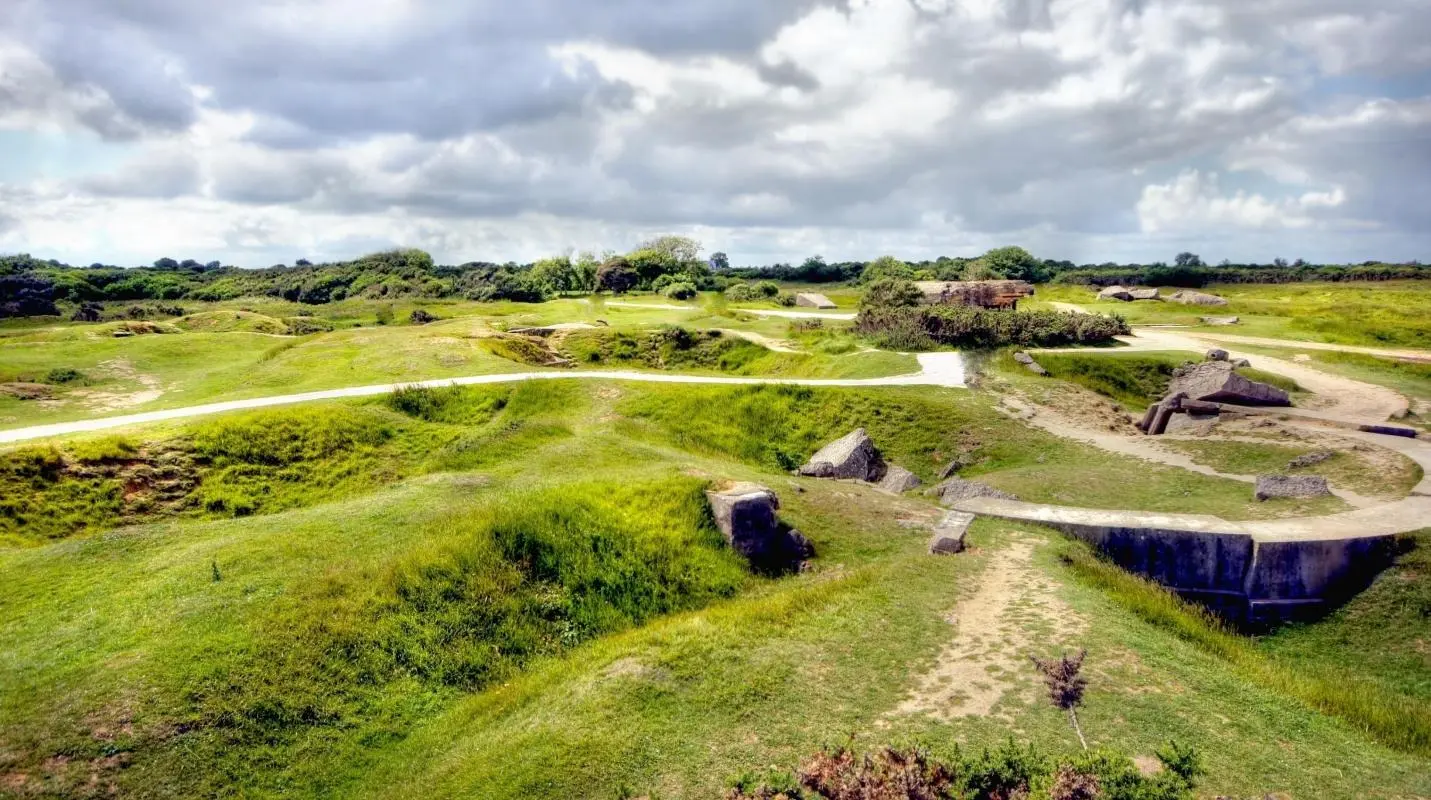
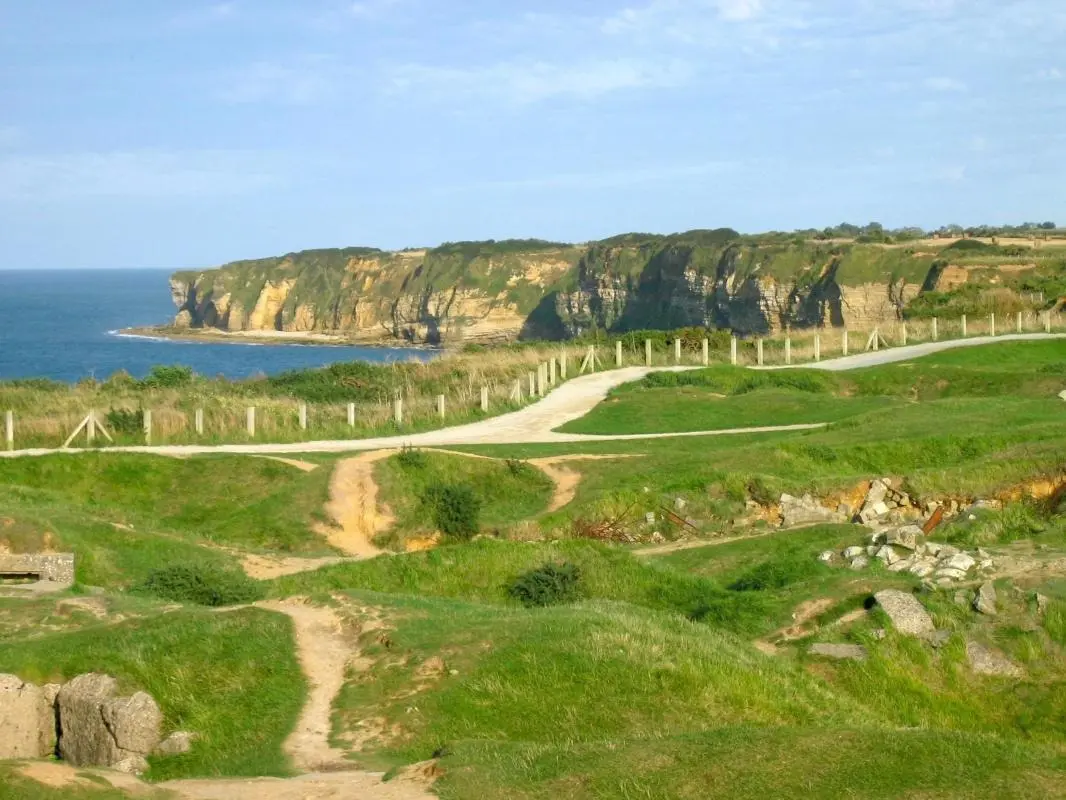
Pointe du Hoc condenses D‑Day into a compact, visceral landscape: sheer limestone cliffs, cratered plateaus, and German bunkers that still hold the echoes of 1944. Visit with purpose—on foot, by e‑bike, or via a narrated tour from Bayeux—and leave with a clearer sense of history and place.
Read the story ↗Bayeux · France
Sword Beach is narrow, direct, and full of stories — a British-sector entry point on D‑Day whose low dunes, concrete remains, and nearby memorials offer a compact, powerful lesson in history. Visit with context, time your tides, and let the landscape do the talking.
Read the story ↗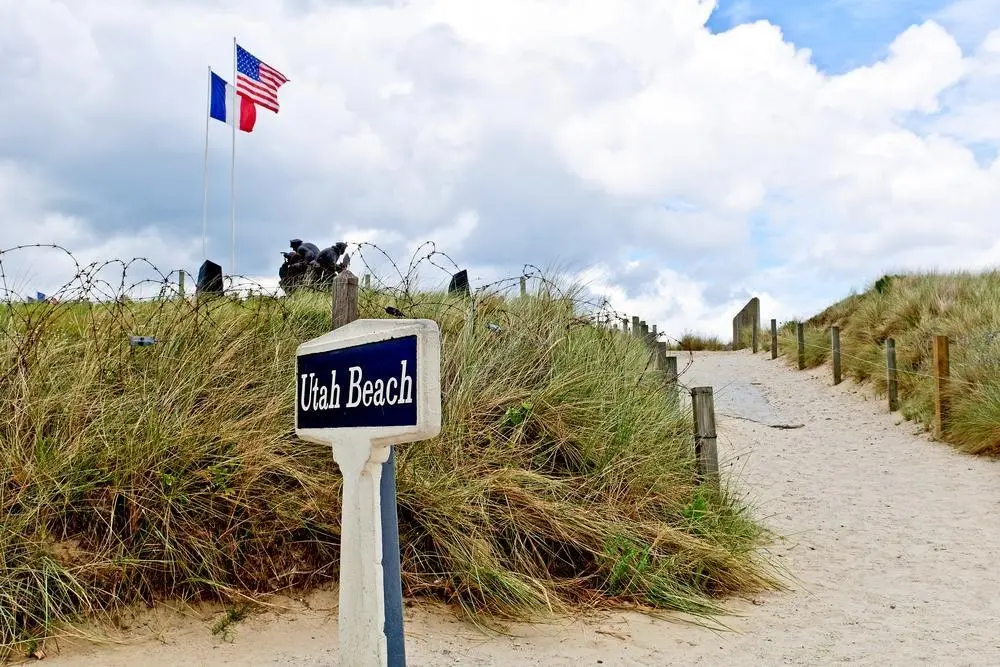
Bayeux · France
Utah Beach is less a monument than a lived landscape: flat sands, buried bunkers, and a museum that stitches strategy to story. Walk the shore, visit the restored bomber, and feel why Normandy still draws travelers seeking context and quiet.
Read the story ↗GET TO KNOW THE PLACE
The first light on Sword Beach lays the history flat and true: low dunes, wide sand, and the odd concrete line of a wartime emplacement. This is an outdoor place with purpose—walking, cycling, and quiet observation are the ways to read the land and its past. Easy day-trip logistics from Bayeux make it a practical stop on any Normandy itinerary.
Arrive early and the coast feels like a living map. The English Channel scours the beach smooth; gulls quarrel at the tide line and the wind carries salt and the low, steady hum of distant traffic. Geologically the shoreline is a simple sweep of sand and shingle backed by low dunes and farmland; the real contour here is historical. Where tanks and landing craft once threaded their way, you now navigate interpretive plaques and preserved fortifications. The landscape invites walking—short loops along the sand or a measured walk along the seawall reveal a sequence of memorials and observation points that are best visited slowly, with time to read names and notes.
History is the axis here, but the present is outdoors-first: coastal cycling links small port towns, while marshy inlets and estuaries draw migratory birds and anglers. Bayeux supplies the cultural anchor—tapestry rooms, cafes, and local markets—so you can stack active hours outside with mid-day museum visits and a relaxed meal. Practically, tides shape your day. Morning low tides open more beach to explore; high tides tighten the shoreline and favor inland trails. Roads are short and straightforward, but parking near popular points can fill in summer, so plan pickups and drop-offs or use nearby village parking to avoid mid-day congestion.
For planning: expect compact windows for each activity—an hour-long shoreline remembrance, a two- to four-hour coastal bike loop, or a guided battlefield tour that folds in museum time. Weather shifts quickly; a rain shell and layers are worth carrying even in summer. Consider hiring a local guide for deeper context and to access lesser-known points along the coast, and always verify seasonal access for specific memorial sites. When you put logistics into a practical stack—tide chart, museum hours, a bike rental, and an evening in Bayeux—the trip feels doable and purposeful rather than rushed.
PLAN YOUR VISIT
May, June, July, August, September
Spring and early autumn often offer clear days and comfortable temperatures for walking and cycling; summer brings warmer weather but also occasional storms and higher visitor numbers.
July and August are the busiest months for Normandy beaches and memorial sites; book lodging and guided tours in advance and plan morning visits to avoid crowds.
Visit outside peak months for lower crowds, better hotel rates, and quieter beaches; be mindful that some site access and tourist services may be reduced and trails can be muddy after rain.
PACK WITH PURPOSE
FIND YOUR PACE
Advanced adventurers combine full-day bike tours, tide-aware paddling, and self-led photography or research-focused visits.
Beginner-friendly options emphasize short shoreline walks, easy village strolls, and relaxed museum visits.
Intermediate travelers can pair longer coastal walks with a half-day bike loop and guided historical tours.
BEFORE YOU GO
No—you can self-guide using onsite interpretation panels and museum resources, but a local guide deepens historical context and can streamline logistics like parking and lesser-known stops.
Allow a half-day for a focused shoreline walk plus a museum stop, or a full day if you add cycling, a guided tour, and lunch in a nearby village.
Swimming and paddling depend on tides and conditions; if you plan water activities, check local tide charts and hire a certified operator who knows the currents.
Use Bayeux as a base and group nearby beaches and museums into day loops—alternate outdoor beach time with indoor museum visits to manage weather and energy.
Yes—coastal and rural roads link small towns; choose quieter lanes and consider an e-bike if you prefer less exertion against coastal winds.
Some memorial sites and beachfront areas have limited accessibility due to sand, dunes, or historic infrastructure; check specific sites ahead of time for wheelchair access and parking details.