
VAYCAI · ATTRACTION GUIDE
Salkantay Trail Visitor Guide
The Salkantay Trail threads high passes, alpine tundra, and cloud forest into a single multi-day route that many stack with a Machu Picchu visit. Hike, soak in thermal springs, and watch mountain weather rewrite the skyline; pair the trek with cultural stops in Cusco and a day of roadside scenic drives to round out the trip.
Explore experiences ↓Your guide to places, experiences, and adventures.
THE GOOD STUFF STARTS HERE
Experiences around Salkantay Trail




Cusco, Peru
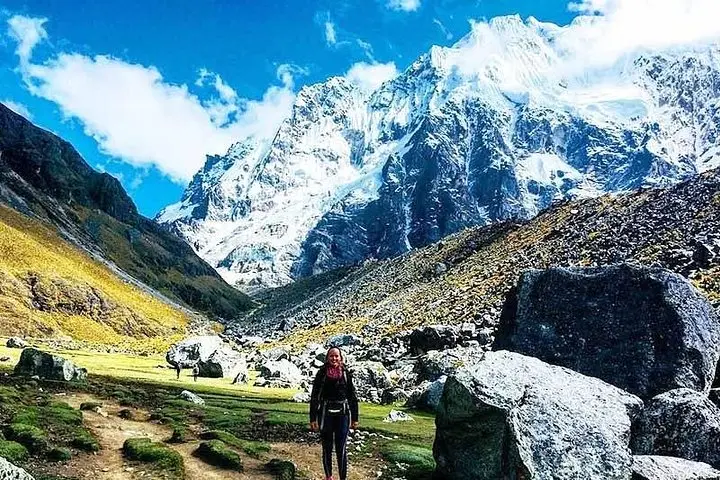
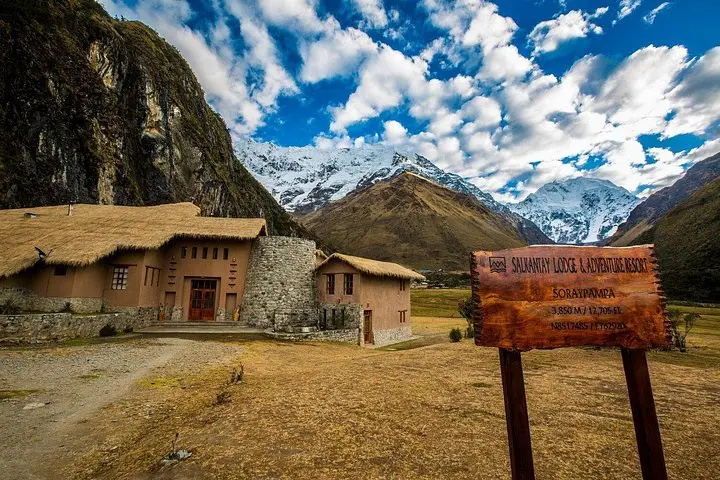
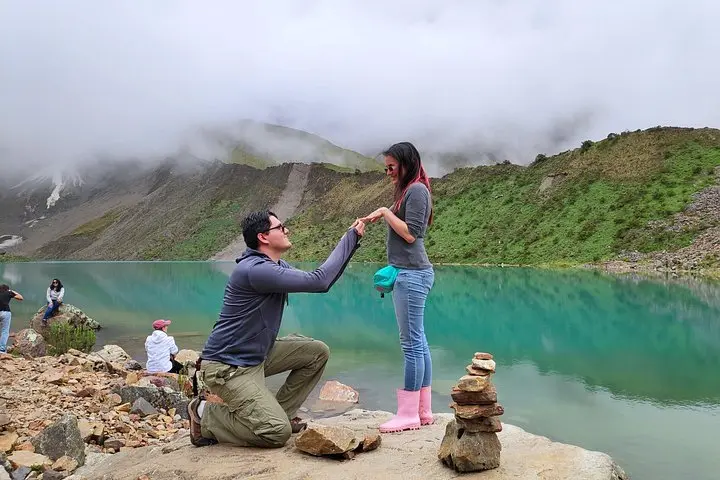
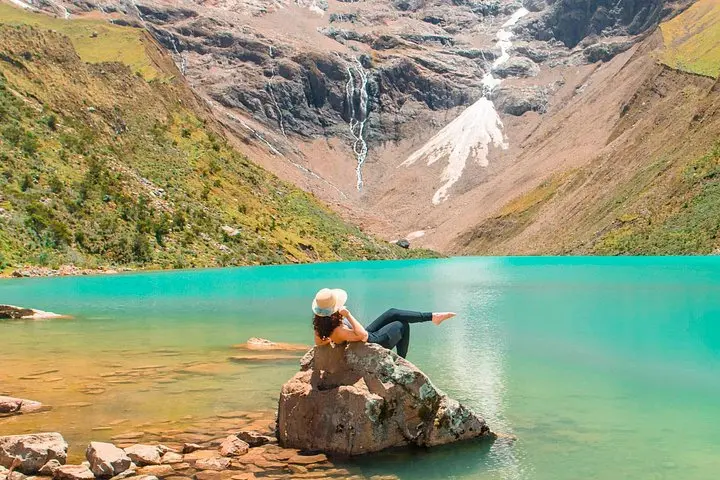
Salkantay Trek to Machu Picchu — High Passes, Humantay Lagoon & Cloudforest
from $1,585.00USD






Listed starting prices may vary by option, travel date and group size. Confirm the final total and availability on Viator. Sponsored links: we may earn a commission from qualifying bookings.
STORIES WORTH GOING FOR
Stories from Cusco
GET TO KNOW THE PLACE
Why Salkantay Trail
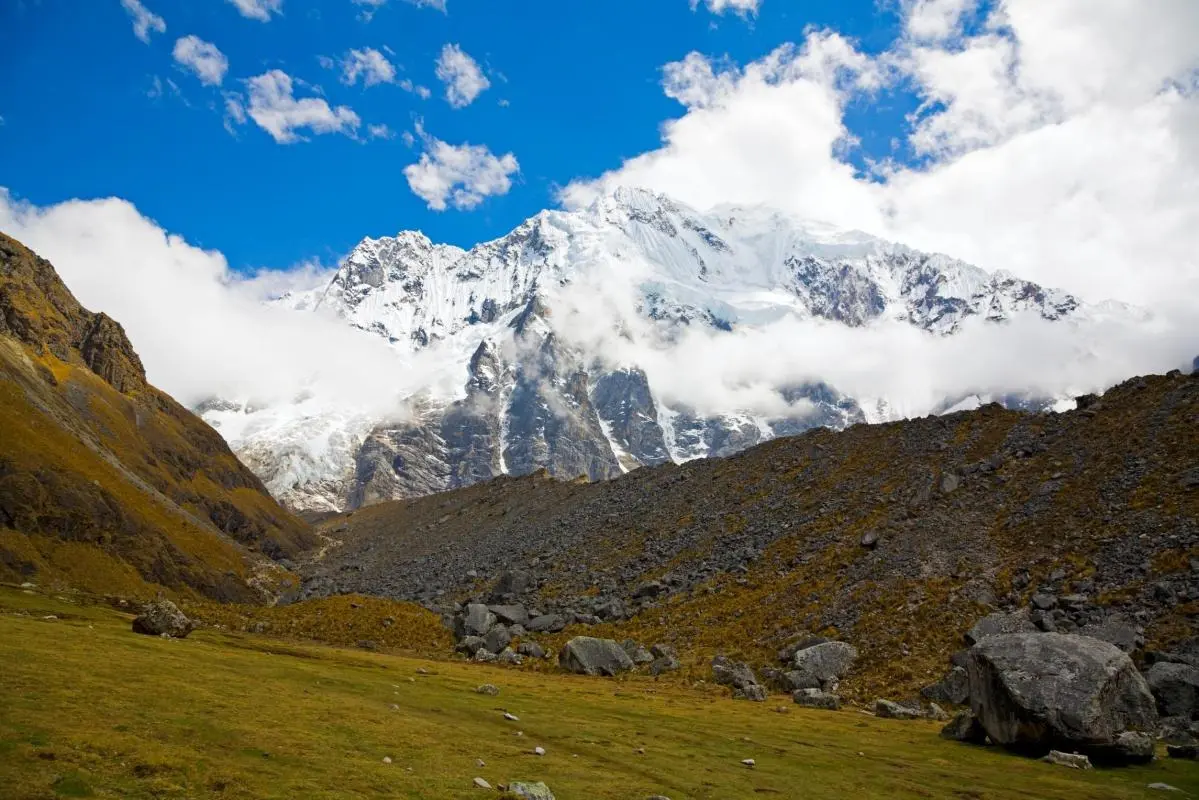
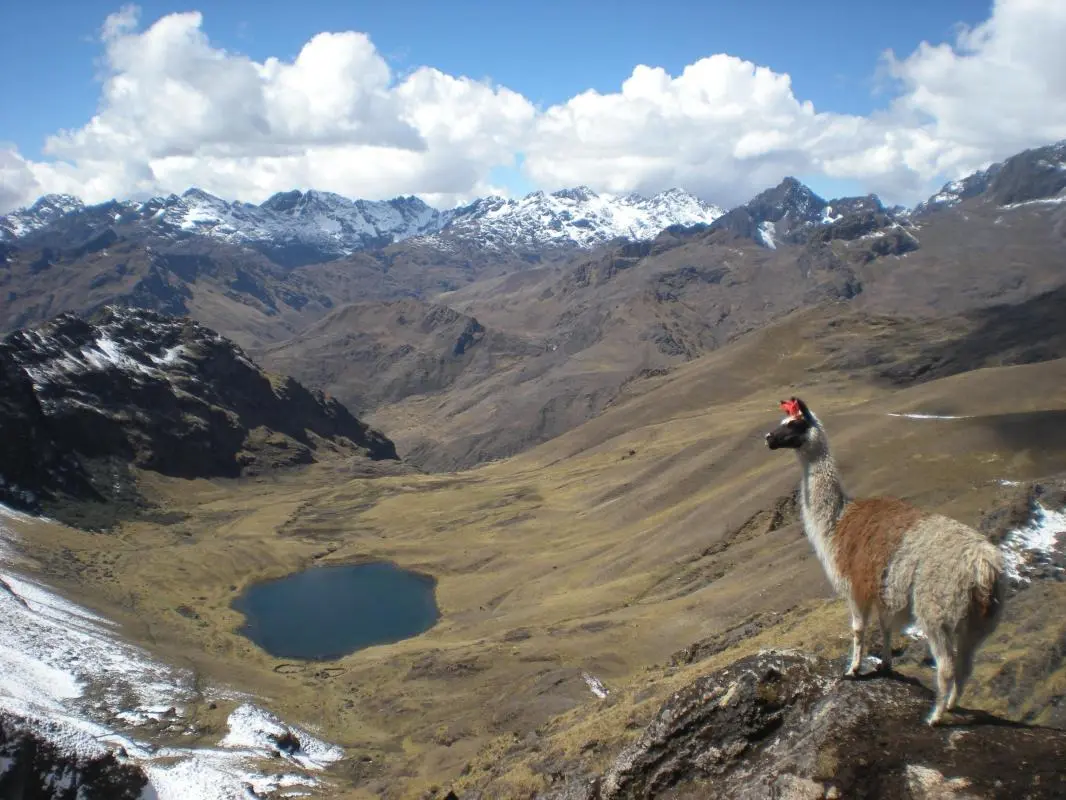
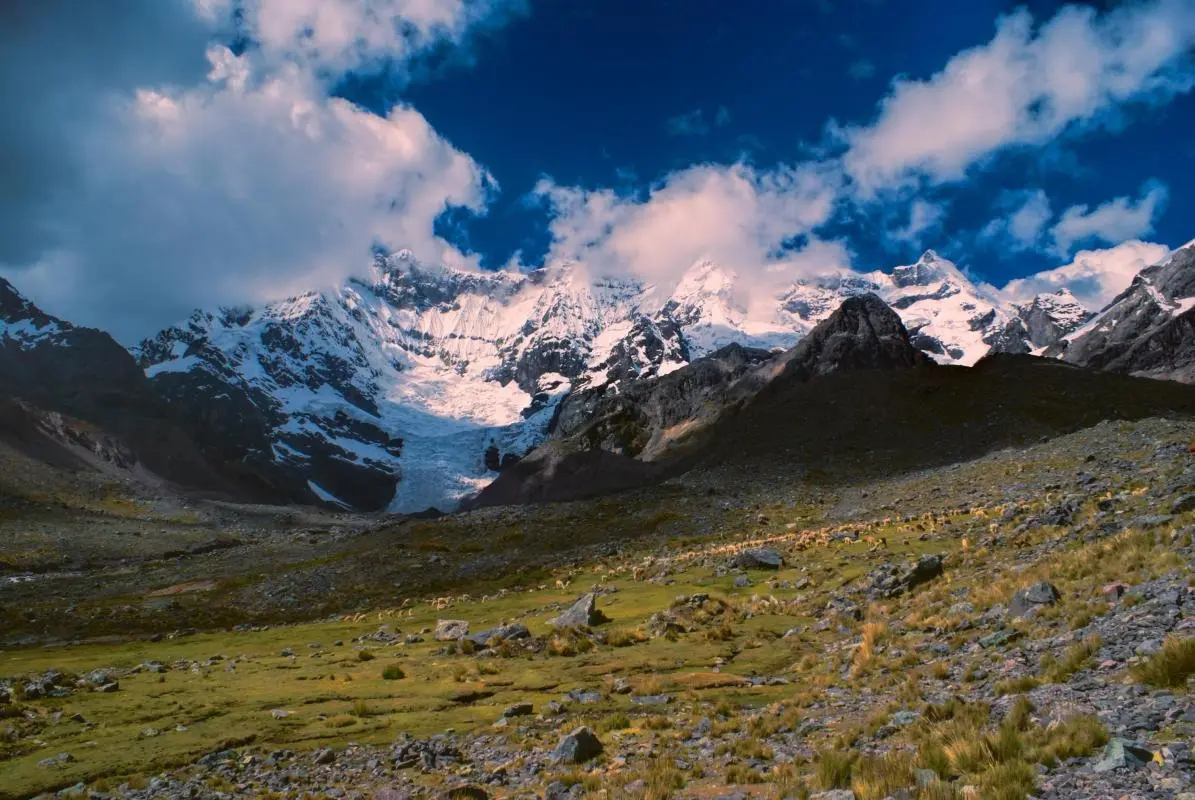
Walk beneath a glaciated skyline and descend into a green world that smells of wet earth and orchids. The Salkantay Trail feels like a classic Andean crossing: high, exposed ridgelines give way to cloud-swathed jungle, and the route ends with lush valleys and warm springs that reward effort.
Start a morning above the treeline where wind and sun shape the landscape, the ridgeline holding its outline as if to test each hiker’s resolve. Geology here is obvious: granite and volcanic beds buttress glacial shoulders while runoff slips into narrow streams that nudge the trail downward. Human history threads the same terrain. Pre-Columbian paths and modern mule tracks overlap in places, and local communities still grow crops on steep terraces, selling fruit and riding the margins between traditional life and tourism. Respect for those patterns pays dividends: slow your pace, greet people on the routes, and you’ll get a steadier rhythm on trail days.
Planning is practical: altitude matters, and so does sequencing. Spend a day in Cusco or nearby high villages to let your body find oxygen before you climb into truly high terrain. Weather changes abruptly; afternoons can bring showers and lower visibility, while mornings often offer the clearest windows for big views. Carry layers and a reliable rain shell. Logistics are a blend of simple and essential—arrange transport to trailheads, coordinate luggage transfers if you prefer day packs, and confirm return options if you’re connecting to train services or remote roadheads.
Prioritize what matters to you and stack experiences accordingly. If the goal is solitude, start on weekdays and consider quieter route variations. If Machu Picchu is the objective, map your itinerary to match train departures and park ticket windows. Nights on the trail are practical, not ornate: good sleeping systems and knowledgeable guides make the difference between a slog and a memorable expedition. Above all, treat the mountain weather and local communities with humility—the trail rewards preparation with dramatic descents, cloud-forest warmth, and those rare clear moments when the valley seems to hold its breath for a view.
Get to know the place
Attractions worth a closer look.


PLAN YOUR VISIT
When to go.
Best months
May, June, July, August, September
Weather
The drier months typically provide clearer skies and more stable trekking conditions; the wet season brings frequent afternoon showers and greener lower valleys. Temperatures vary dramatically with elevation—cold nights at high passes and warm, humid days in the cloud forest.
Peak season
The busiest period runs through the dry months when international visitors aim for clear views; plan and book well in advance, especially for guided treks and train connections, and start days early to avoid afternoon weather shifts.
Beyond the peak
Traveling in shoulder months means fewer people and lower rates, but expect muddier trails and possible stream crossings; be flexible with route choices and verify local conditions before you go.
PACK WITH PURPOSE
What to bring.
optional
- Binoculars for birding and valley views
- Small action camera or travel camera
- Compact towel or quick-dry camp towel
essential
- Layered clothing for high-altitude temperature swings
- Sturdy hiking boots with good traction
- Water bottle or hydration system and water purification method
- Sun protection (hat, sunglasses, SPF)
- Offline map or GPS and a charged phone
- Basic first-aid kit and blister care
- Insulated sleeping bag rated for cold nights
recommended
- Lightweight rain shell and rain cover for pack
- Headlamp with spare batteries
- Trekking poles for steep descents
- Dry bags or pack liners for electronics
- Comfortable camp clothes for evenings
FIND YOUR PACE
Choose your kind of adventure.
advanced
Advanced travelers push for remote route variations, longer daily mileage, and faster summit-to-valley descents while managing altitude and weather.
- Extended off-trail or variant route explorations with a qualified guide
- Fastpacking multi-day treks with lightweight gear
- Combining high-altitude trekking with technical mountaineering approaches
beginner
Beginner-friendly options include short, guided day hikes and lower-elevation cultural walks that build confidence and acclimatization.
- Half-day guided hike to nearby viewpoints
- Soaking in thermal springs after a short walk
- Visit to local markets and short cultural walks around Cusco
intermediate
Intermediate travelers typically tackle the full multi-day Salkantay trek with moderate fitness, carrying a daypack and camping or staying in simple lodges.
- Overnight or multi-day trekking over mixed terrain
- Horseback-assisted segments for steeper approaches
- Birding and cloud-forest hikes in lower valley sections
BEFORE YOU GO
Your questions, answered.
Do I need a guide for the Salkantay Trail?
Guides are strongly recommended for route knowledge, logistics, and safety; they handle camps, food, and local permits. Self-guided options exist but require careful planning and reliable local information.
How should I prepare for altitude?
Spend at least a day or two in Cusco or similar elevation before the trek, hydrate well, move slowly on the first high day, and discuss acclimatization strategies with your guide or doctor.
How many days does the typical itinerary take?
Multi-day itineraries are common; most schedules range from a shorter express route to longer, more gradual treks that allow better acclimatization and time for side excursions.
What transport options connect Cusco and the trailheads?
Most travelers use private or shared road transfers from Cusco to trailheads and onward connections to train stations or bus routes; your agent or guide should coordinate these transfers.
What weather should I expect and how do I pivot?
Expect clear mornings and possible afternoon showers in wet months; carry rain protection and be prepared to shift itinerary timing—start earlier or use alternate lower-elevation routes if storms roll in.
Do I need a separate ticket for Machu Picchu?
Yes. If you plan to finish the trek at Machu Picchu, reserve entry and any required train tickets in advance; availability can be limited during busy months.