
VAYCAI · ATTRACTION GUIDE
Ausangate Trail Visitor Guide
The Ausangate Trail is a high-Andean circuit that stacks glacier-swept passes, bright glacial lakes, and remote pastoral valleys. Pair a multi-day trek with cultural exchanges in traditional puna communities and a soak in natural hot springs for a balanced Cusco-region itinerary.
Explore experiences ↓Your guide to places, experiences, and adventures.
THE GOOD STUFF STARTS HERE
Experiences around Ausangate Trail


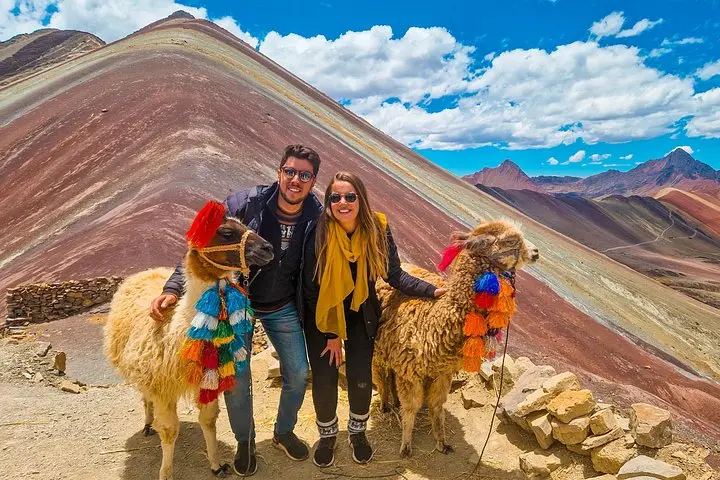
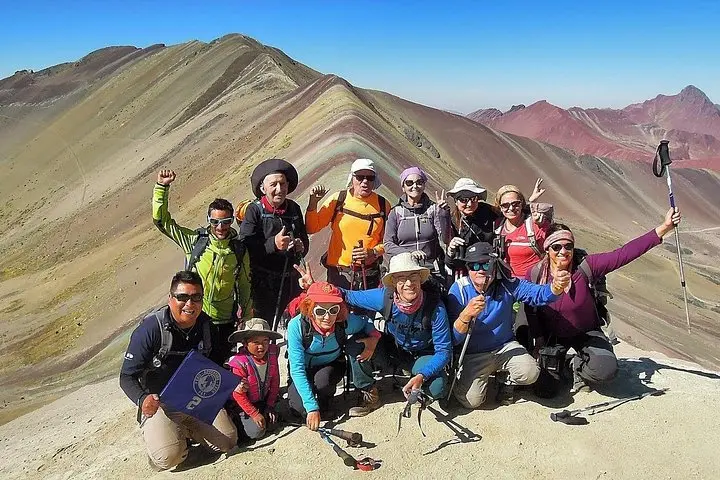


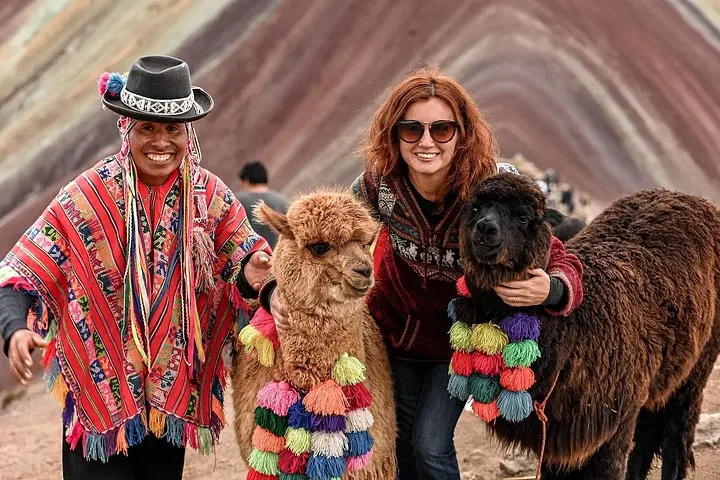

Listed starting prices may vary by option, travel date and group size. Confirm the final total and availability on Viator. Sponsored links: we may earn a commission from qualifying bookings.
STORIES WORTH GOING FOR
Stories from Cusco
GET TO KNOW THE PLACE
Why the Ausangate Trail
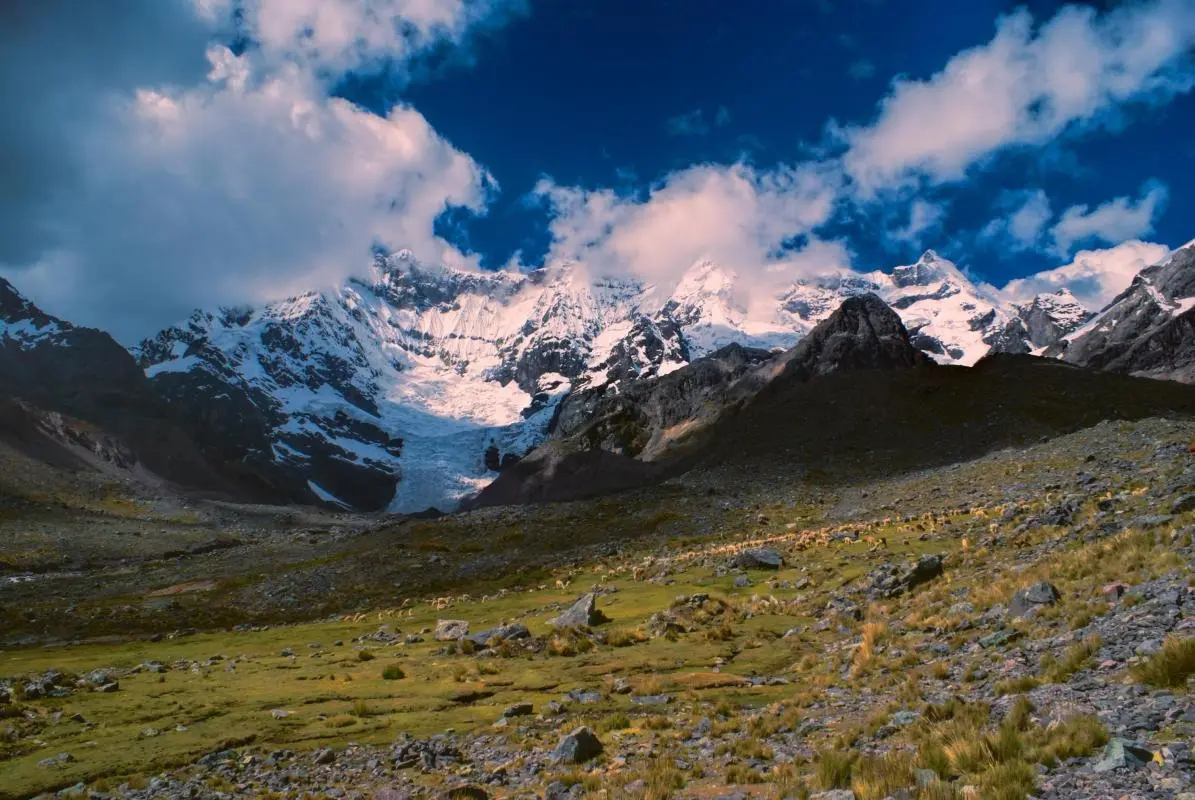
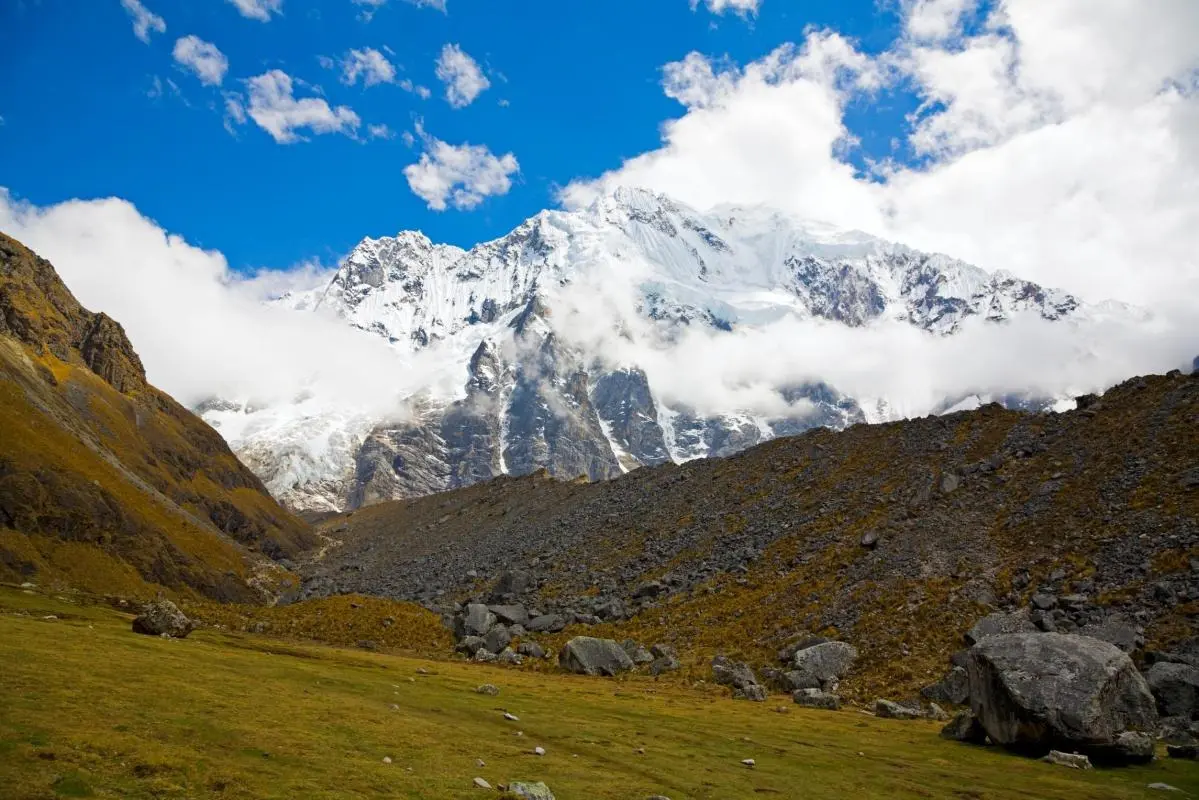
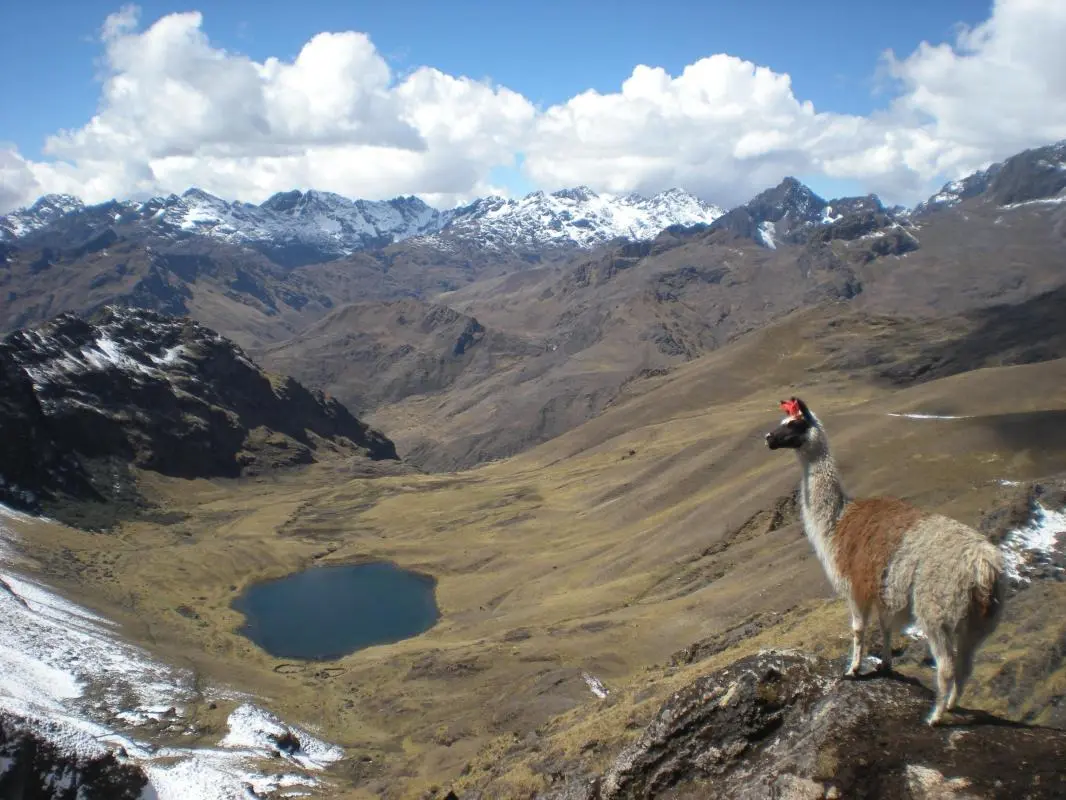
You climb out of Cusco’s comfort into a thinner air where stone corrals and grazing llamas edge the trail and glacial ridgelines hold vertebrae-like snowfields. Ausangate is less about crowds and more about the scale—the mountains push and pry at the horizon and the lakes below mirror those peaks. It’s an immersive high-Andes circuit best stacked with cultural visits and hot-spring recovery between long hiking days.
The geology here reads like a slow-motion ledger: granite and schist folded and pushed up by tectonics, then carved by ice. The Cordillera Vilcanota creates dramatic passes and stepped valleys where turquoise and indigo lakes collect meltwater and glacial run-off. Historically, Apu Ausangate is a sacred mountain in Andean cosmology, an active presence in local ritual. You’ll see small altarpieces and offerings at trail edges as communities continue seasonal pilgrimages; these glimpses give the trek cultural weight beyond its alpine spectacle.
Practical planning begins in Cusco. Acclimatize with a couple of easy days—short walks, light activity, and hydration—before carrying a heavier pack to 4,800-plus-meter passes. The route is normally approached as a 4–6 day trek, but flexible itineraries work well: a guided, mule-supported trek if you prefer light days; a self-guided fast-pack for experienced, properly acclimatized hikers; or day trips to nearby lagoons for those short on time. Weather shifts quickly: mornings can be glassy and bright, afternoons may bring wind and rain that rolls in like an inspecting captain. Start early each day to stay ahead of storms and to benefit from calmer hours for photography.
Logistics are straightforward but merit attention. Road access out of Cusco is seasonal and best checked ahead of departure; some trailheads are reached by a long scenic drive that itself can be worth the time. Permits and regulated camping rules vary by community and conservation area, so confirm the local requirements and camp etiquette—no trace camping, respect grazing areas, and avoid disturbing ritual offerings. Prioritize breathable layers, reliable footwear with traction, and a plan for altitude adjustments; with the right prep, the trail delivers wide-open skies, quiet mornings, and a sense of scale that stays with you long after the last pass.
Get to know the place
Attractions worth a closer look.


PLAN YOUR VISIT
When to go.
Best months
May, June, July, August, September
Weather
The dry season typically runs in the southern hemisphere winter months with clearer skies and fewer afternoon storms. Summer months bring more rain and potentially muddy approaches; temperatures swing widely between day and night.
Peak season
The busiest period is June through August when international visitors and local holiday traffic overlap; book guides and mule support well in advance and start early each day to avoid afternoon weather.
Beyond the peak
Late shoulder months offer fewer crowds and lower prices for guides, but expect wetter trails and the possibility of snow at high passes; select lower-elevation day routes and check local conditions before committing to a multi-day circuit.
PACK WITH PURPOSE
What to bring.
optional
- Binoculars for wildlife and distant peaks
- Action camera or extra batteries
- Small picnic kit for scenic lakeside lunches
essential
- Layered clothing for cold nights and sunny days
- Insulated sleeping bag rated for cold alpine nights
- Sturdy hiking boots with good traction
- Water filtration or purification system
- Sun protection: SPF, sunglasses, brimmed hat
- Offline map and route notes or GPS device
recommended
- Rain shell and pack rain cover
- Trekking poles for steep descents and passes
- Headlamp with fresh batteries
- Dry bags for electronics and sleeping gear
FIND YOUR PACE
Choose your kind of adventure.
advanced
Advanced adventurers acclimatized to altitude can fast-pack the circuit, push longer daily distances, and navigate remote passes with minimal support.
- Self-supported fast-packing of the full circuit
- Technical summit approaches with local climbing support
- Extended photo expeditions into lesser-trafficked valleys
beginner
Beginner travelers can enjoy acclimatization walks and guided day trips to nearby lagoons and lower-elevation viewpoints while avoiding the high passes.
- Half-day lagoon walk with a local guide
- Visit to thermal hot springs for recovery
- Short cultural walk through a puna herding village
intermediate
Intermediate hikers comfortable with long days and higher altitude can complete multi-day treks with mule support and moderate daily mileage.
- 3–4 day guided trek with mule support
- Full-day hike to a high-altitude lake and back
- Horseback approach to a mid-elevation pass
BEFORE YOU GO
Your questions, answered.
Do I need a guide for the Ausangate Trail?
Guides are recommended for first-timers because of altitude, logistics, and local permit coordination; experienced, acclimatized trekkers can attempt self-supported routes but should arrange reliable transfers and know community rules.
How many days should I plan for the trek?
Most travelers plan 4–6 days for the full circuit, with options for shorter day hikes if you have limited time; include extra days in Cusco for acclimatization.
How hard is the altitude on the trail?
Altitude is the primary challenge—expect long ascents to high passes and thin air; spend 48–72 hours in Cusco doing easy activities before tackling heavy hiking days.
Can I arrange mule support or porters?
Yes; mule and porter services are commonly arranged through guides or local agencies and are strongly recommended if you prefer lighter daypacks or organized camps.
Are there hot springs near the trail?
Yes, there are thermal springs accessible along some approaches and in nearby valleys—these make good recovery stops and can be included in guided itineraries.
What safety precautions should I take?
Carry communication options, basic first-aid and altitude medication if advised by a physician, dress in layers, and monitor weather; respect local trail etiquette and avoid disturbing ritual sites.