THE ADVENTURE COLLECTIVE FIELD NOTES
A closer look at the journey.
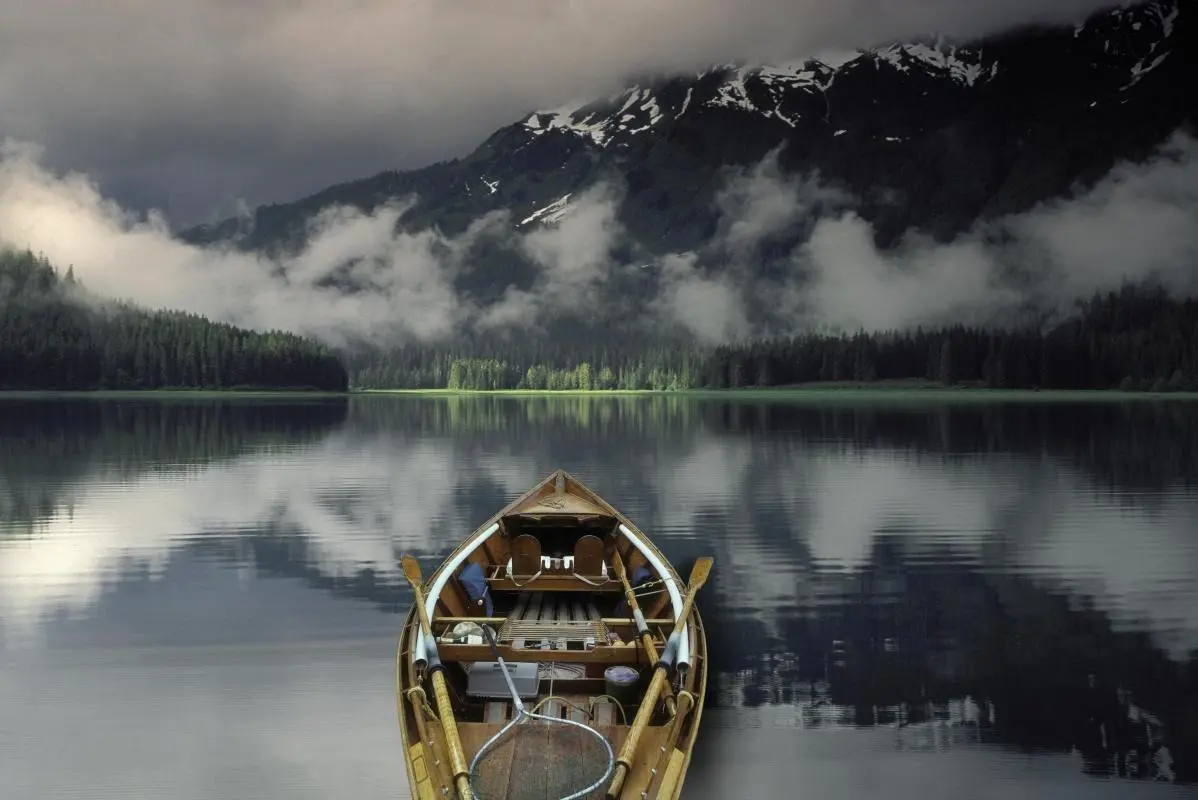
The floatplane settles onto the still water and the forest rises around you like a living wall; gulls wheel and the surface silvered with the backs of running salmon. Within minutes you’re at Traitors Cove, stepping onto a dock where the Tongass breathes cold and green and the sound of a distant waterfall mixes with the sudden, urgent slap of fish and the heavy footsteps of black bears.
This stretch of Revillagigedo Channel is shaped by glacial sculpting and temperate rainforest—steep ridges, old-growth Sitka spruce, and narrow creek mouths that concentrate migrating salmon each late summer. Indigenous Tlingit people have long known these river corridors as summer runways for salmon and places where wildlife gathering reflects seasonal cycles.
At the Margaret Creek viewing platform you’ll watch black bears plunge and fish, and bald eagles wheel for scraps. Guides interpret behavior, point out berry patches and cedar trees, and explain the interplay of tide, current and salmon runs that brings predators to these creek mouths.
Practical details: tours run late July through mid-September and include a narrated round-trip floatplane flight from Ketchikan plus a short guided 250-yard trail to the platform. Expect up to 45 minutes of flightseeing, about 3 hours total, and a moderate physical demand—short, uneven boardwalks and the need to embark/disembark a floatplane.
Plan layers, a waterproof outer layer, and binoculars. Respect viewing protocols: stay quiet, follow your guide’s instructions, and never approach wildlife. With timing and a bit of patience, this is one of the most direct ways to witness Alaska’s predator-prey drama in the company of experienced local guides.
Things to know before you go
Dress in layers
Temperatures change quickly between plane, dock and platform—pack a waterproof outer layer and warm mid-layers.
Bring binoculars and a tele lens
Binoculars let you watch bears and eagles without crowding the platform; a 200mm+ lens is useful for photos.
Follow guide protocols
Remain on the platform, keep voices low and follow instructions—safety protocols protect both visitors and wildlife.
Motion-sickness prep
If you’re prone to seasickness, take precautions before the floatplane and brief boat transfers; flights include short takeoffs and landings.
Your questions, answered.
When is the best time to book for bear viewing?
Late July through mid-September coincides with peak salmon runs and the highest likelihood of bear and eagle activity.
Are children allowed on the tour?
Yes, but infants must sit on laps and all passengers should be able to board a floatplane and follow safety instructions.
How close will we be to the bears?
Viewing is from a USFS-managed platform; guides maintain safe separation and observers stay on the platform—bears are often within visual proximity but not approached.
What if weather cancels the flight?
Tours can be canceled for bad weather; check cancellation policies when booking and confirm if flights are rebookable or refundable under the operator’s terms.