THE ADVENTURE COLLECTIVE FIELD NOTES
A closer look at the journey.
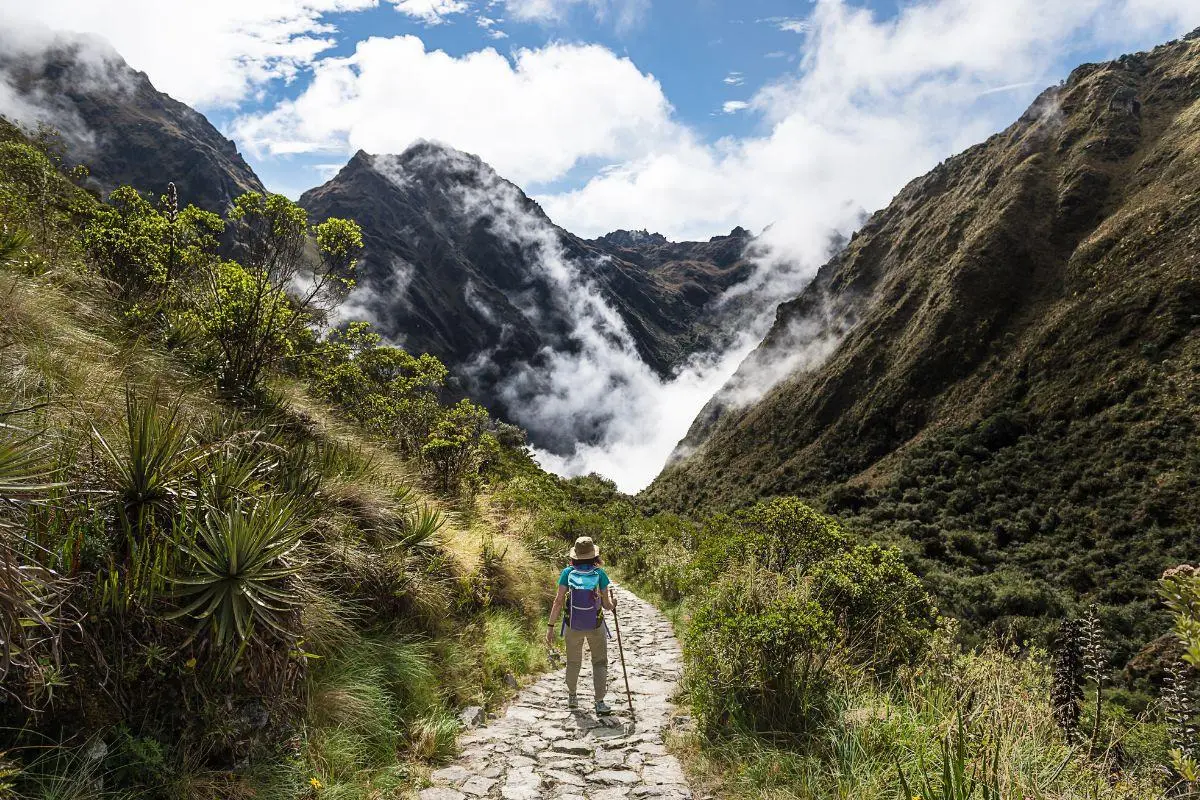
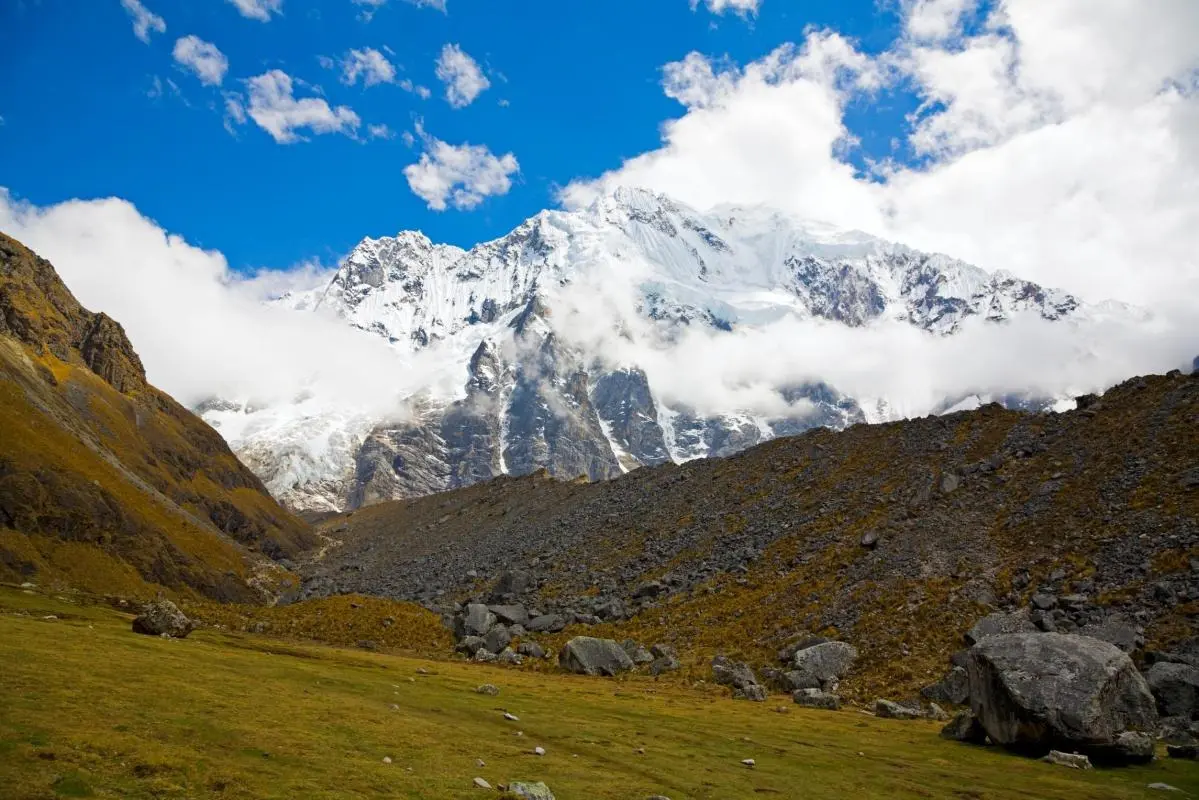
Dawn breaks over Cusco and the bus hums toward Piscacucho (Km 82). Stones and cloud drift by as the first steps of the classic four‑day Inca Trail pull hikers into a landscape that shifts from high Andean valleys to humid cloud forest. By midmorning the trail narrows into ancient Inca stairways, and on Day 2 the route tests lungs and legs with the climb to Warmiwañusca (4,200 m), the high point that rewards effort with sweeping valley views before the steep descent into Pacaymayo.
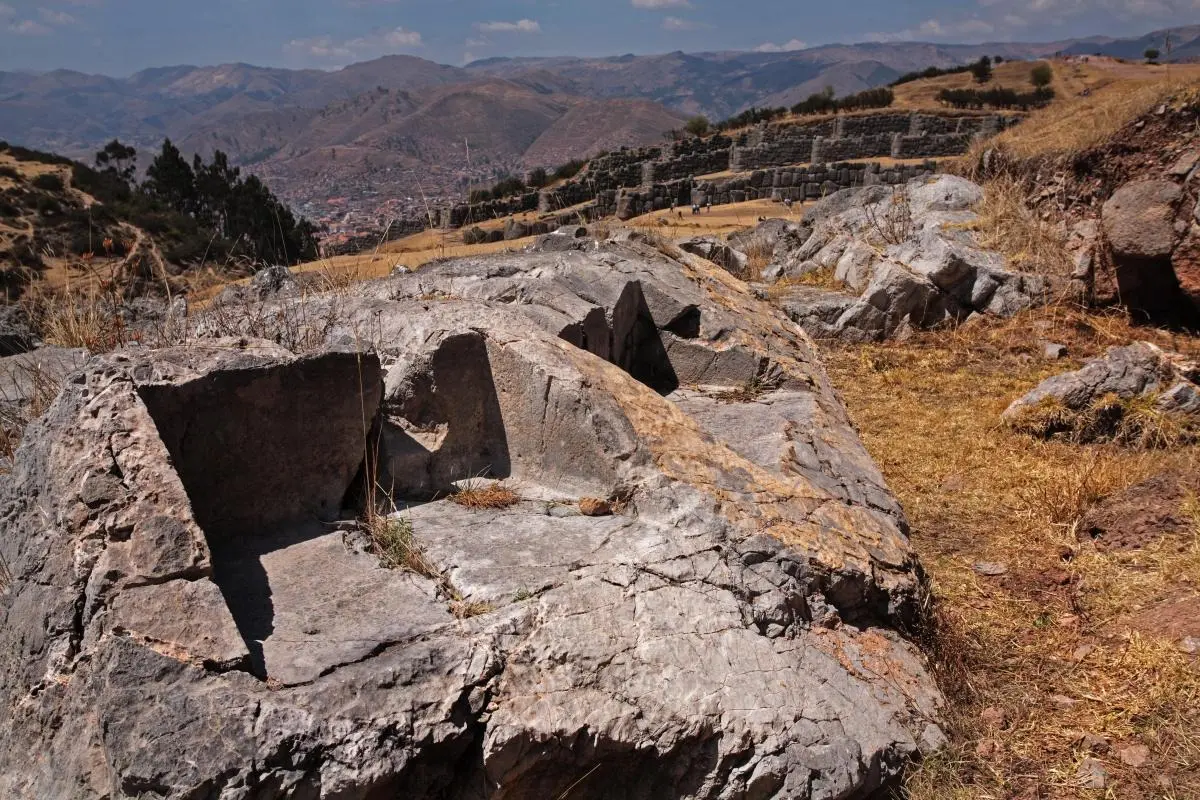
This route threads living history and geology: Inca trailwork—retaining walls and stairways—follows ridgelines carved from volcanic andesites, while terraces and archaeological sites like Runkurakay and Sayacmarca reveal administrative and ceremonial waystations of the empire. Local Quechua culture remains audible in village greetings and the coca tea that helps with altitude.
Practical guidance is integral. The four‑day itinerary covers roughly 40–45 km with cumulative gains above 1,500 m; expect uneven stone steps, muddy sections in the wet season and slick descents. Acclimatize in Cusco for 48–72 hours, carry 2–3 liters of water, and use sturdy, broken‑in boots; trekking poles greatly reduce knee stress on descents.
Most operators include permits, tents, cook and porters; sleeping bags are often required. Start early each day to avoid afternoon clouds and crowds at Intipunku (Sungate) where the famous first view of Machu Picchu unfolds. Respect park rules, pack out waste where required, and plan for variable temperatures—from freezing nights at camp to warm afternoons in Aguas Calientes.
Things to know before you go
Acclimatize first
Spend 48–72 hours in Cusco before departure to reduce altitude sickness risk.
Hydration and electrolytes
Carry 2–3 liters and use boiled or treated water provided by the support team to avoid stomach issues.
Footwear and traction
Wear broken‑in waterproof boots with good ankle support—stone stair sections are steep and abrasive.
Start early each day
Higher elevations and the final approach to Machu Picchu are best tackled in the morning when weather and light are more reliable.
Your questions, answered.
Are permits for the Inca Trail included?
Most guided four‑day packages include the official Inca Trail permit and Machu Picchu entry; confirm before booking as permits sell out in high season.
How hard is the high pass (Warmiwañusca)?
The pass reaches about 4,200 m and involves sustained ascent over hours; acclimatization and steady pacing make it manageable for fit hikers.
What bathroom facilities are available on trail?
Campsites have basic pit latrines; in the cloud forest sections facilities can be simple—carry hand sanitizer and biodegradable toilet paper.
Can porters carry my gear?
Yes—licensed porters carry group equipment and allotted personal weight (usually 5–7 kg depending on operator); heavier items should be left in Cusco with the operator when possible.