

VAYCAI · DESTINATION GUIDE
Charleston Travel Guide
Charleston pairs city-side exploration with saltwater adventure: stack a morning of tidal-creek paddling with an afternoon of historic walking and an evening beach run. Expect lowcountry marshes, barrier-island surf, and bikeable neighborhoods that make it simple to mix water, wildlife, and culture in one practical itinerary.
Explore experiences ↓Your guide to places, experiences, and adventures.
THE GOOD STUFF STARTS HERE
Experiences in Charleston.

Charleston, United States
Charleston BYOB Morning Harbor Cruise & Beach Beachcombing Excursion on Southern Charm
from $499.00USD

Charleston, United States
Charleston Harbor Cruise: White Point Battery to Fort Sumter with Captain Gene
from $199.00USD


Charleston, United States
Patriot Escape Charleston Self-Guided Revolutionary Scavenger Hunt
from $12.00USD

Charleston, United States
Charleston Chucktown Crusade Scavenger Hunt — Interactive City Quest
from $22.00USD


Charleston, United States
Charleston Haunted Booze & Boos Ghost Walking Tour — Haunted Downtown Bar Crawl
from $39.42USD

Charleston, United States
Charleston Water Taxi Dolphin Cruise: Harbor Hop, Sightseeing & Dolphin Watch
from $17.00USD

Charleston, United States
Charleston Haunted Pub Crawl: Spirits, History & Boozy Ghost Stories
from $36.00USD

Charleston, United States
Middleton Place Guided Tour with Lunch and Roundtrip Transport from Charleston
from $128.50USD

Charleston, United States
Historic Horse & Carriage Tour of Charleston — 1-Hour Downtown Sightseeing
from $45.00USD

Charleston, United States
90-Minute Charleston Harbor Cruise — Fort Sumter, USS Yorktown & Dolphins
from $40.00USD


Charleston, United States
Private Luxury Sunset Boat Tour in Charleston Harbor — Intimate Evening Cruise
from $415.00USD


Charleston, United States
Charleston Walking Tour & Professional Photoshoot — Capture Rainbow Row, Waterfront Park and Historic Streets
from $79.00USD

Charleston, United States
Charleston Zipline Canopy Tour: 7‑Line Forest Canopy with 65‑ft Climbing Wall
from $104.00USD

Charleston, USA
Private DivaDance Party in Charleston — Bachelorette & Girls Night Dance Class
from $450.00USD

Charleston, USA
Private Charleston Airport (CHS) Transfer to Isle of Palms and Sullivan's Island
from $147.65USD

Charleston, United States
Two Charleston Plantations in One Tour: Middleton Place and Drayton Hall
from $175.00USD

Charleston, USA
Till Death Do Us Part: Haunted Pub Crawl in Charleston's Historic District
from $35.00USD


Charleston, United States
Sinfully Delicious Dessert Tour: Charleston Historic Sweets & Spirits Walking Experience
from $175.00USD
Listed starting prices may vary by option, travel date and group size. Confirm the final total and availability on Viator. Sponsored links: we may earn a commission from qualifying bookings.
STORIES WORTH GOING FOR
Stories from Charleston

Boat charters · Land adventures · Wildlife & nature
Charleston · United States
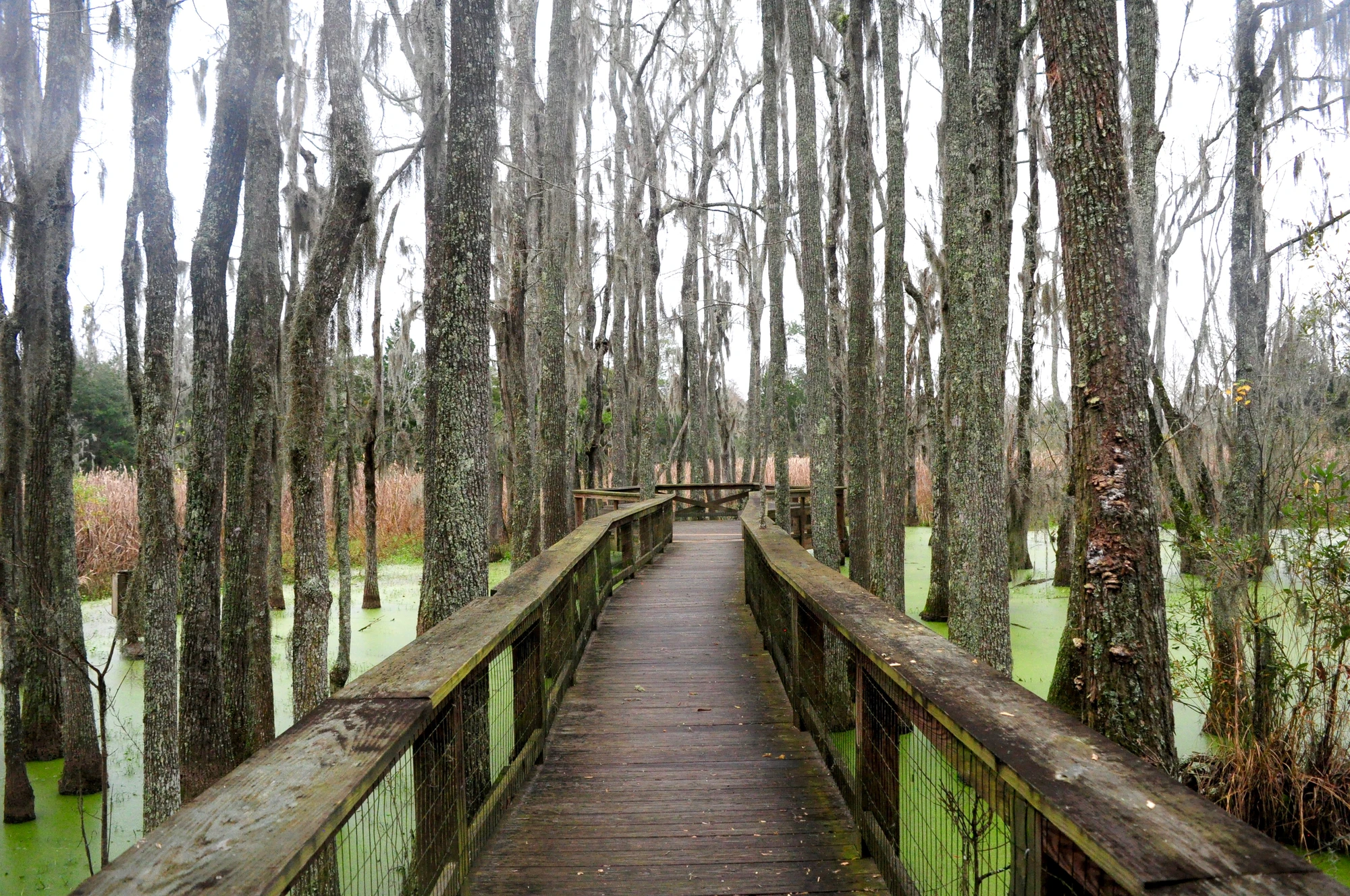
Under the Azaleas: A Lowcountry Day at Magnolia Plantation and Gardens
A walk through Magnolia Plantation and Gardens moves from curated flower beds to a cathedral of cypress—and along the way you’ll encounter layered histories, tidal marshes, and abundant wildlife. This guide lays out what to see, when to go, and how to plan a thoughtful visit.
Read the story ↗
Land adventures · Wildlife & nature
Charleston · United States
Crossing Charleston’s Skyline: Walking the Arthur Ravenel Jr. Bridge
Walk the Arthur Ravenel Jr. Bridge for a fresh vantage on Charleston: a wide pedestrian lane suspended over marsh and water, framed by cable stays and the rhythms of the Cooper River. Expect panoramic light, breezy exposure, and easy access to the city’s coastal culture.
Read the story ↗GET TO KNOW THE PLACE
Why Charleston Works as an Adventure Base
Salt air meets antebellum architecture in a place where the water keeps nudging the city’s rhythm. Charleston makes coastal adventure accessible: you can launch a paddleboard from a neighborhood dock, pedal to a riverside marsh, and slip into a lowcountry seafood spot without long transfers. It’s an efficient mash-up of urban comforts and tidal wilderness that rewards short-trip planners and slow-explorers alike.
Walk into Charleston at dawn and the city feels purposeful rather than rushed. Boats loaf on the Cooper and Ashley, gulls argue over the morning tide, and streets of oaks drip moss that frames brick sidewalks. That interplay — water pressing up against historic neighborhoods — is the city’s constant. Geologically the Lowcountry is defined by its flatness and its tides: marshes and inlets flood and reveal with predictable regularity, creating sheltered waterways ideal for kayaking, stand-up paddleboarding, and birding. That same flatness means outdoor days are rarely vertical adventures; instead they’re about rhythm, tide windows, and the steady satisfaction of coastal navigation.
Charleston’s history is visible in its plan — wharves, warehouse conversions, and plantation landscapes that speak to centuries of trade and cultivation. Cultural layers show up in food and music: waterfront towns where seafood and oysters anchor menus, in markets that start early, and in neighborhoods where bike lanes and walking tours make exploration practical. Timing matters: spring and fall bring the sweetest combination of mild temps and migratory birds, while summer is hot and afternoon thunderstorms will insist you plan around them. Access is straightforward from the city center: many launch points and bike routes are minutes from historic hotels, which lets you stack activities—paddle in the morning, walk Rainbow Row, cycle to a salt marsh at golden hour.
To plan a day, think of tides and transit as your prime logistics. Early morning paddles usually offer glassy water and fewer boats; midday is good for bike loops and neighborhood exploration; late afternoon is prime for beachcombing and sunset on a barrier island. If you want a guided outing, book in advance for weekends and holidays. For self-guided days, download an offline map, check tide tables, and keep a dry bag dry—things change fast on tidal creeks. Prioritize one water experience and one cultural stop per day to keep energy up and transit times low, and you'll leave with the best mix Charleston offers without feeling rushed.
Get to know the place
Attractions worth a closer look.

PLAN YOUR VISIT
When to go.
Best months
March, April, May, September, October, November
Weather
Spring and fall are generally mild and ideal for outdoor activities; summer brings heat, humidity, and frequent afternoon thunderstorms, while winters are mild and quieter for urban exploration.
Peak season
Peak visitation occurs in spring and parts of fall, especially around festivals and holidays; book lodging and guided experiences in advance and prefer early starts to avoid midday crowds.
Beyond the peak
Winter and late summer offer lower rates and fewer people; be mindful of occasional wet or muddy lowcountry trails and reduced service hours for some operators.
PACK WITH PURPOSE
What to bring.
optional
- Binoculars for birding in the marshes
- Action camera for paddling footage
- Compact picnic kit for a barrier-island lunch
essential
- Layered clothing for warm, humid days and cooler mornings
- Hydration and electrolyte supply
- Traction footwear or water shoes
- Sun protection (hat, SPF, sunglasses)
- Offline map or downloaded route and tide info
recommended
- Light rain shell for summer storms
- Headlamp for early starts or dusk returns
- Collapsible dry bag for electronics and snacks
- Trekking poles for sandy or muddy approaches
FIND YOUR PACE
Choose your kind of adventure.
advanced
Skill-heavy coastal navigation and endurance outings that demand planning, tide knowledge, and occasionally technical boat handling.
- Sea-kayak trip navigating between barrier islands and tidal channels
- Multi-hour surf session off the barrier island during swells
- Backcountry paddling and overnight beach camping on a barrier island (permit-dependent)
beginner
Gentle, low-effort outings focused on easy access and calm conditions suitable for first-time paddlers or casual walkers.
- Short paddle in a sheltered tidal creek with calm water
- Leisurely walk around the Historic District and waterfront
- Beachcombing and swimming at a guarded public beach
intermediate
Longer routes and mixed-terrain days that require basic navigation and fitness, including tide-aware paddles and longer bike tours.
- Guided estuary paddle during a mid-tide window
- Half-day bike loop linking waterfront parks and marsh overlooks
- Stand-up paddleboard excursion to a nearby sandbar or inlet
BEFORE YOU GO
Your questions, answered.
Do I need a guide to paddle the tidal creeks?
A guide is helpful if you’re new to tides or unfamiliar with local currents; experienced paddlers can go self-guided if they check tide tables and shore-launch conditions.
How many days should I plan to get a good feel for Charleston?
Plan two to four days to combine a water outing, a historic walk, and a beach or barrier-island visit without rushing.
Is Charleston family-friendly for outdoor activities?
Yes — easy beach days, calm marsh paddles, and short bike rides make it accessible for older kids; prioritize shallow, sheltered launch sites for younger children.
What should I do if weather changes my outdoor plans?
Have indoor pivots ready—museums, local aquariums, culinary experiences, or a timed historic tour—and keep flexible bookings for morning water activities when storms often arrive in the afternoon.
How do tides affect my plans?
Tides influence launch and landing points and scenery; check local tide tables before paddling and schedule excursions around favorable windows.
Is public transportation useful for getting to beaches and marshes?
Public transit covers parts of the city, but rental cars, bikes, or shuttle services are more practical for barrier-island access and dispersed launch points.